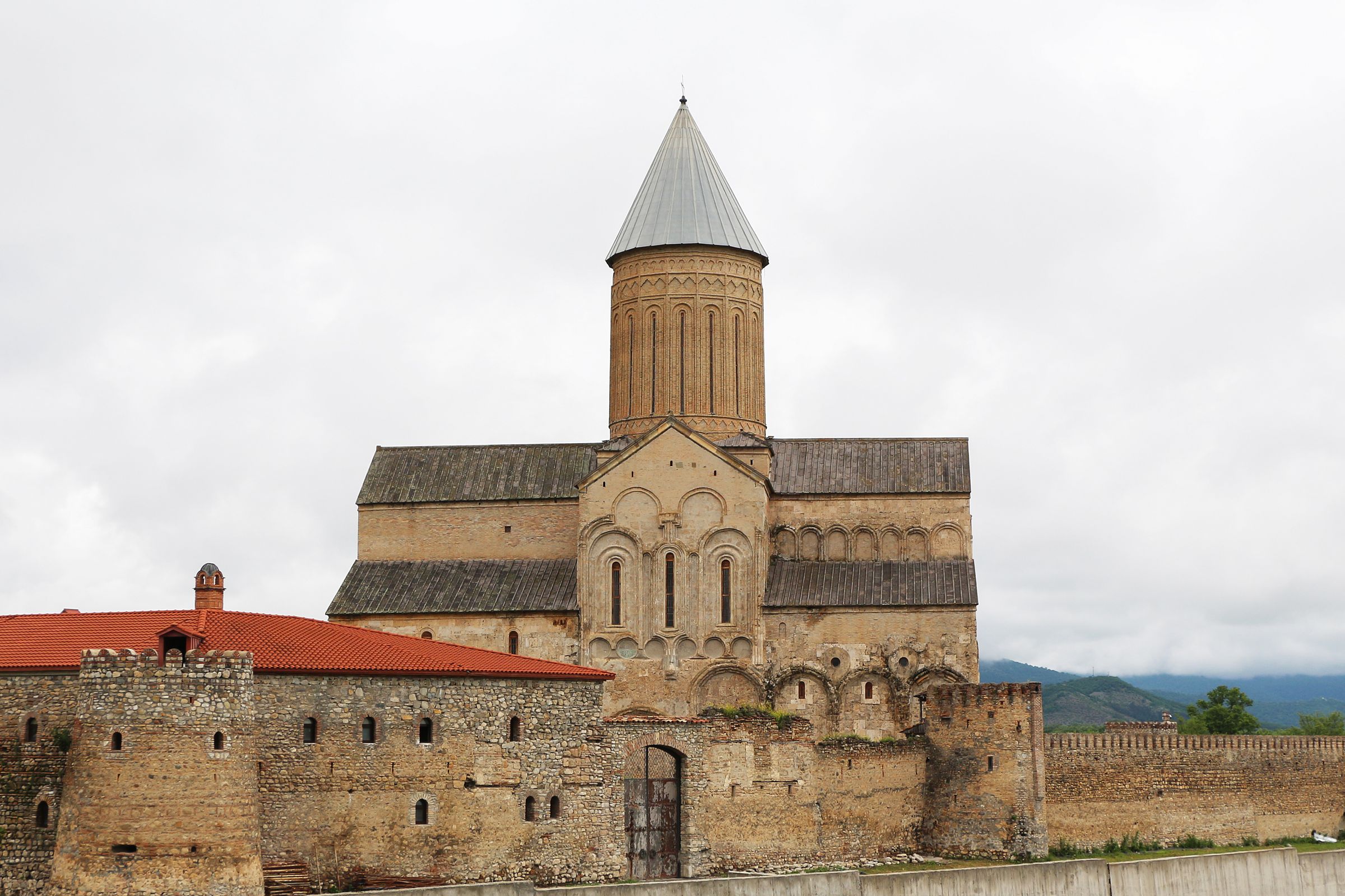
Alaverdi Monastery
Eleventh-century stone sentinel above the vine
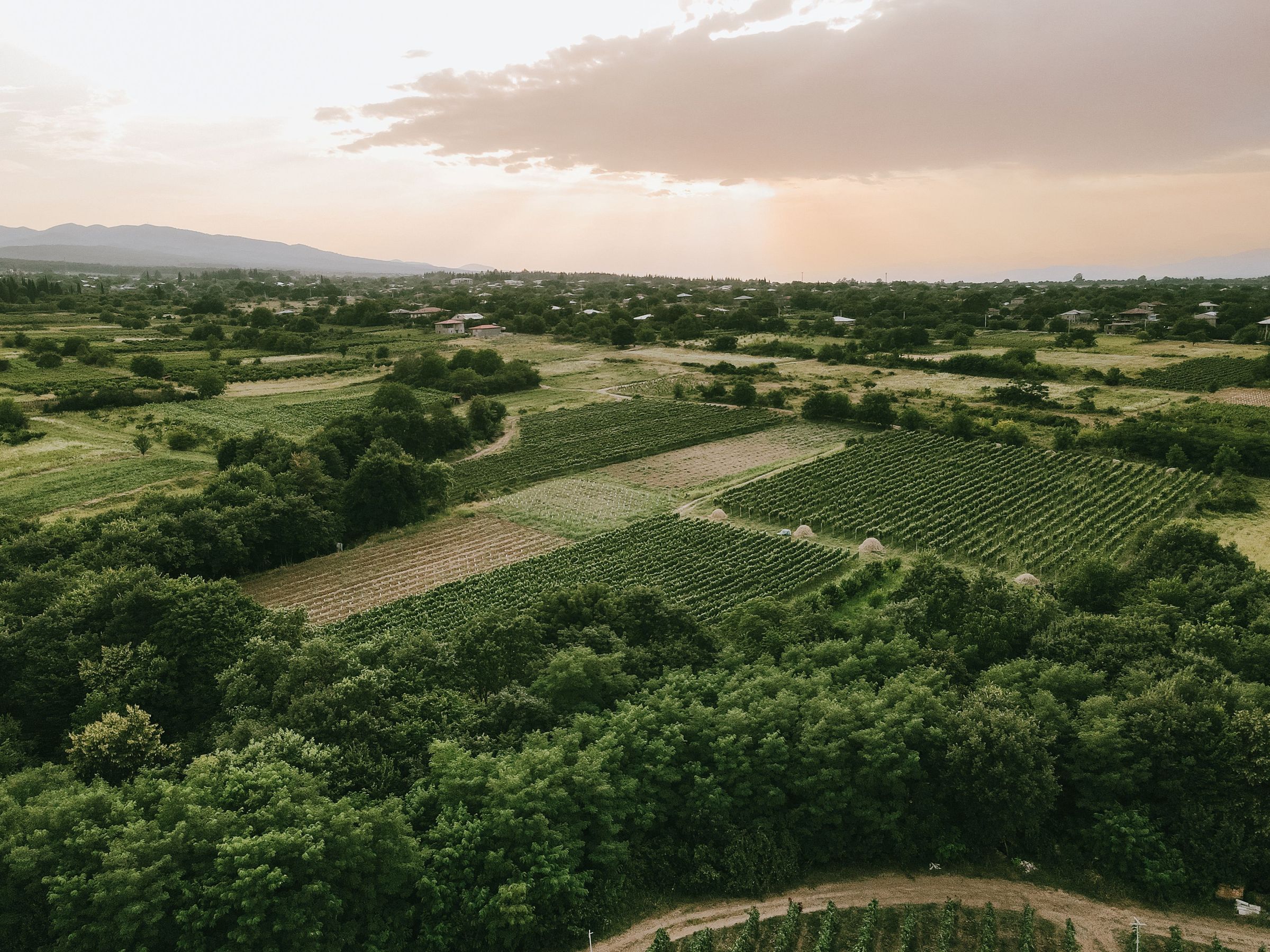
A country of vineyards, watchtowers and high Caucasus light — told slowly, booked with care.
Kakheti is the Alazani Valley region east of Tbilisi where most of Georgia's wine is grown, and it rewards at least two days: one for the hilltop town of Sighnaghi and the monasteries around it, one for Telavi, Tsinandali, and the working wineries further north. It's an easy overnight trip from the capital and doubles as Georgia's most concentrated stretch of monastic history.
Kakheti rewards slowness more than any other region on this site: its wineries, monasteries, and royal ruins are close together on a map but spread across a valley with thin public transport, so the real reward goes to travellers who give it a full day or two rather than a single rushed pass.
The atlas holds 85 documented wonders here — canyon, cave, church, fortress, lake, monastery, monument, museum. Base yourself in Telavi and radiate outwards; nothing below is more than a day away.
Begin with these — then wander. Each card is a doorway, not a checklist.
Eleventh-century stone sentinel above the vine
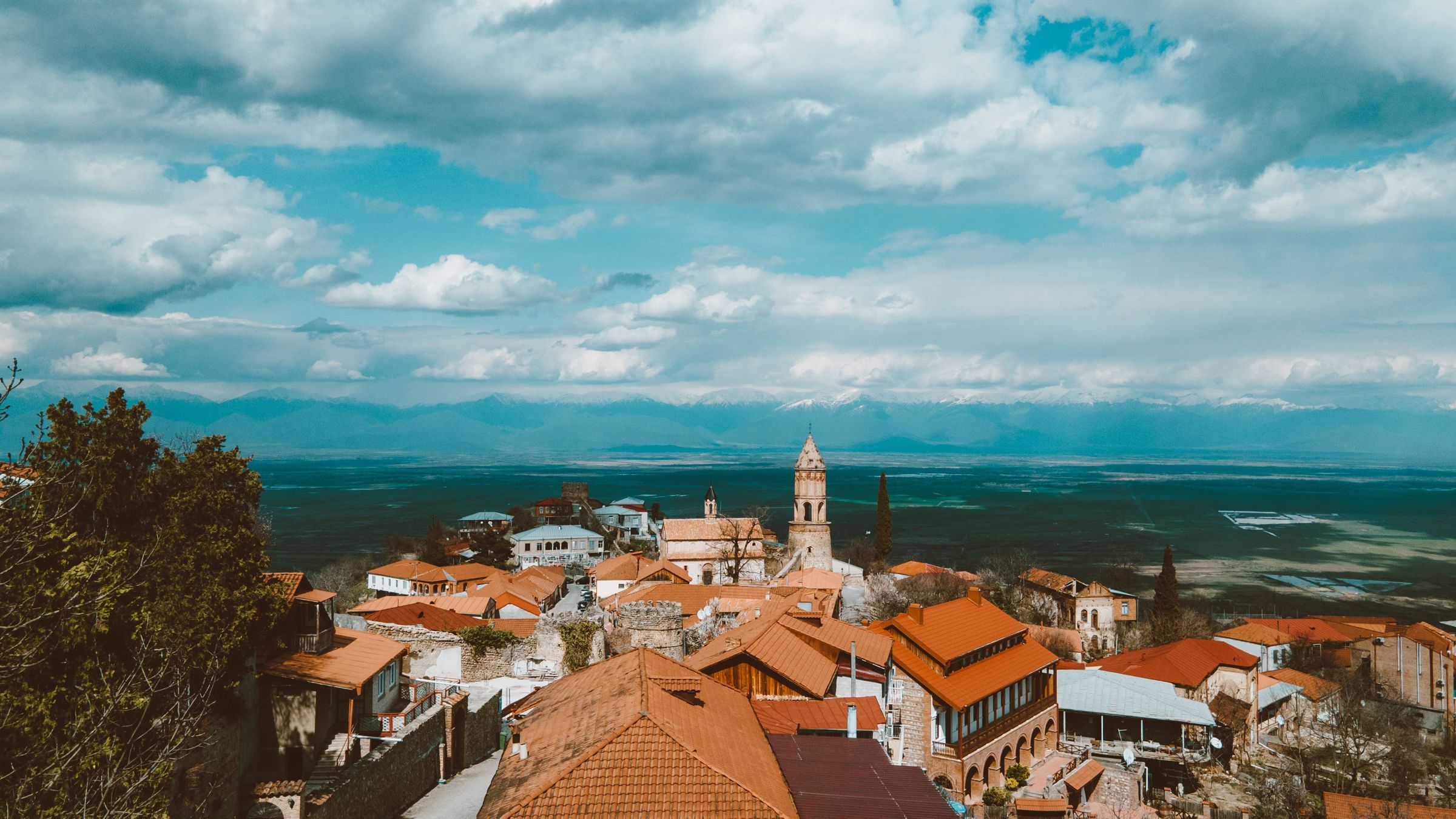
Where wine and walls meet the Caucasus
Georgia's oldest Christian ruins, hilltop silence
Where Soviet legacy meets natural wine revolution
Where Rustaveli studied and wine still ages
Where time stands still above the valley
Georgia's Wild Eastern Frontier
Where walls still guard the wine hills
Where Soviet grandeur meets velvet wine
Where desert cliffs breathe ancient prayer
Where ancient roots meet steel and glass
Where Kakheti's ancient vines still whisper
Curated, not crowded. Our editors’ orders of merit — updated with the seasons.
Telavi — arrivals, markets and the best spread of places to sleep.
Every wonder below is pinned on the national atlas with live availability beside it.
Every booking removes one tonne of CO₂ — folded in, never added at the end.
Kakheti sits 90 minutes to 2.5 hours east of Tbilisi depending on the target town, with marshrutkas running from Samgori station to both Telavi and Sighnaghi and a private car cutting the Sighnaghi run to under two hours. A car is genuinely useful here — public transport between the wine villages themselves is thin, and most wineries and monasteries sit outside town centres. April–June and September–October are the strongest windows: spring brings flowering vines and few crowds, while the September–October rtveli harvest opens cellars for grape-crushing and brings the valley to life, though it also means booking winery visits in advance. Entry to monasteries is generally free or a nominal donation; winery tastings and meals vary by cellar and are best reserved ahead, especially in harvest season.
Yes, though it's tight. Tsinandali Estate or Sighnaghi alone make a realistic single-day round trip; trying to cover both ends of the valley in one day means more driving than sightseeing.
Two days lets you split Sighnaghi's monasteries and wine tasting from Telavi's royal sites and academy ruins without rushing either. A dedicated wine traveller could easily spend three or four.
Rtveli runs roughly September into October. It's the most atmospheric time to visit — cellars open, some still crush grapes by foot — but it also means booking winery tastings and accommodation well ahead.
It helps considerably. Marshrutkas connect Tbilisi to Telavi and Sighnaghi reliably, but most wineries, monasteries, and villages between the two towns have no direct public transport, so a rented car, driver, or organised tour covers far more ground.
Sighnaghi suits travellers prioritising walkable sights, wine tasting, and Bodbe Monastery within a short stroll. Telavi suits those wanting a more working-town feel and easier access to Alaverdi, Ikalto, and Tsinandali by short drives.
High passes, wine roads, and the slow coast — open the national atlas and plot a generous route.
See Kakheti (Wine Country) on the atlas →Late spring and September–October bring harvest light, open high roads, and terrace weather. Winter is for ski villages and sulphur baths; high summer belongs to the Black Sea. Shoulder months reward the unhurried.
Many travellers enter visa-free for a generous stay. Always confirm current entry rules for your passport before you book — then spend the saved hour on a long lunch.
Marshrutka minibuses, comfortable coaches, a handful of trains, and hired drivers cover most ground. Mountain roads ask for daylight and patience. Build slack into every itinerary.
Every booking removes 1 tonne of CO2 — no surcharge. It is included, not optional, and never an excuse to travel carelessly. Stay longer; spend locally; tread lightly on alpine meadows.
In cities and guesthouses, yes — and a few words of Georgian open every door. Look for the script; it is part of the landscape. Menus often arrive in three languages, like this site.
25 August 2026 · reviewed quarterly