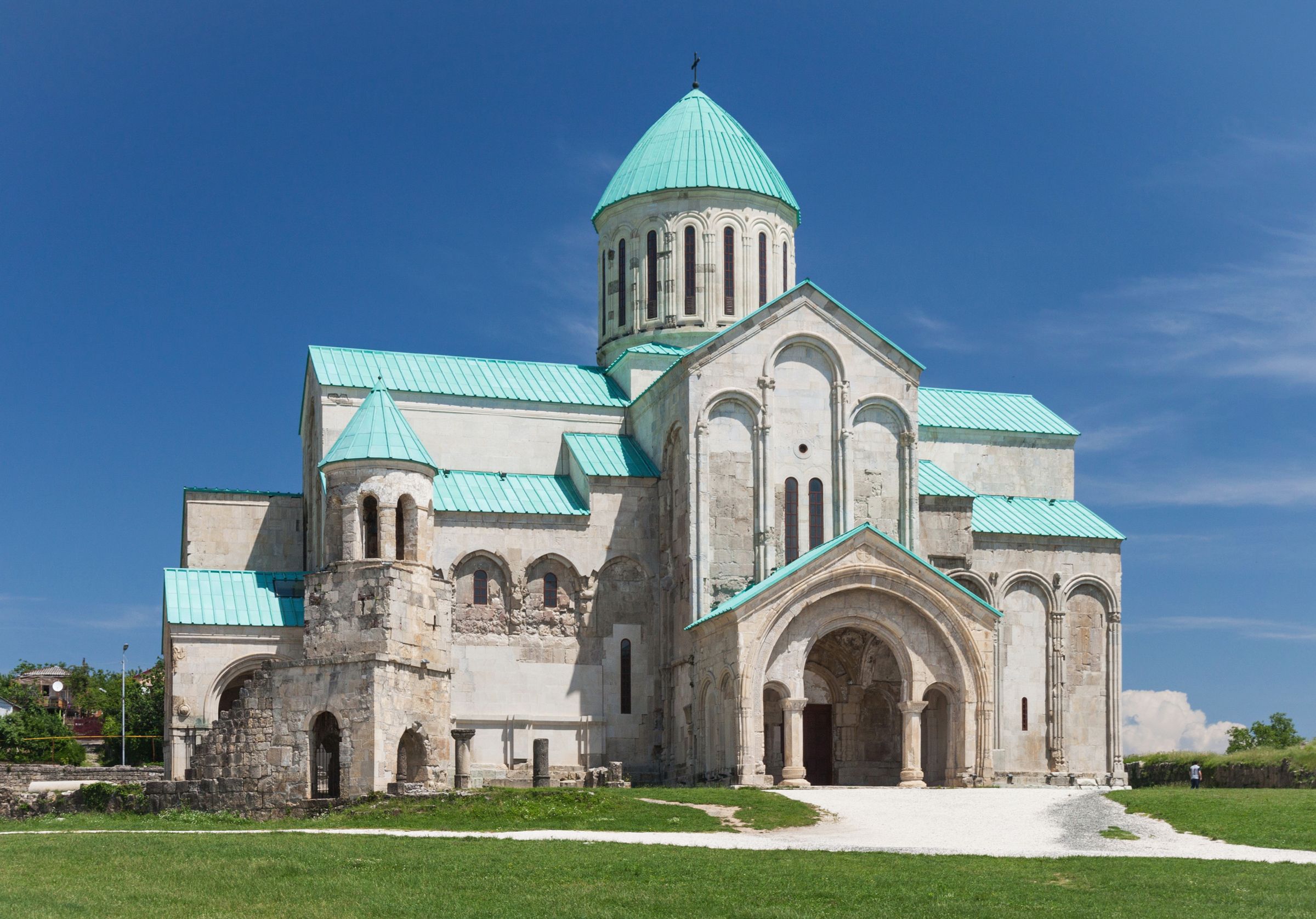
Why go
Motsameta Gorge cleaves through Imereti's limestone hills, its name meaning 'place of the martyrs' for brothers David and Constantine Mkheidze, nobles executed by Arab invaders in the 8th century for refusing to renounce Christianity. Their relics, said to have been retrieved from the Tskhaltsitela ('Red Water') River by lions, drew pilgrims to the 11th-century monastery clinging to the cliff. The site became a sacred waystation on the medieval route between Kutaisi and the Black Sea. Today, wooden walkways thread through old-growth yew and hornbeam forests, revealing hermit cells and the river's amber pools below. It rewards those who seek Georgia's subtler sanctuaries—neither as famous as Gelati nor as remote as the high Caucasus, but possessed of a hushed, devotional atmosphere that survives centuries of war and Soviet neglect.