Best Wine Tours in Kakheti

Best of Georgia · By destination

Best Wine Tours in Kakheti

How to read this ranking

Ordered for how you travel, not for spectacle.

Each place below is scored for character, welcome, access across seasons, and the feeling it leaves — never for inventory. Use the traveller-type notes when two names pull equally.

The quick answer

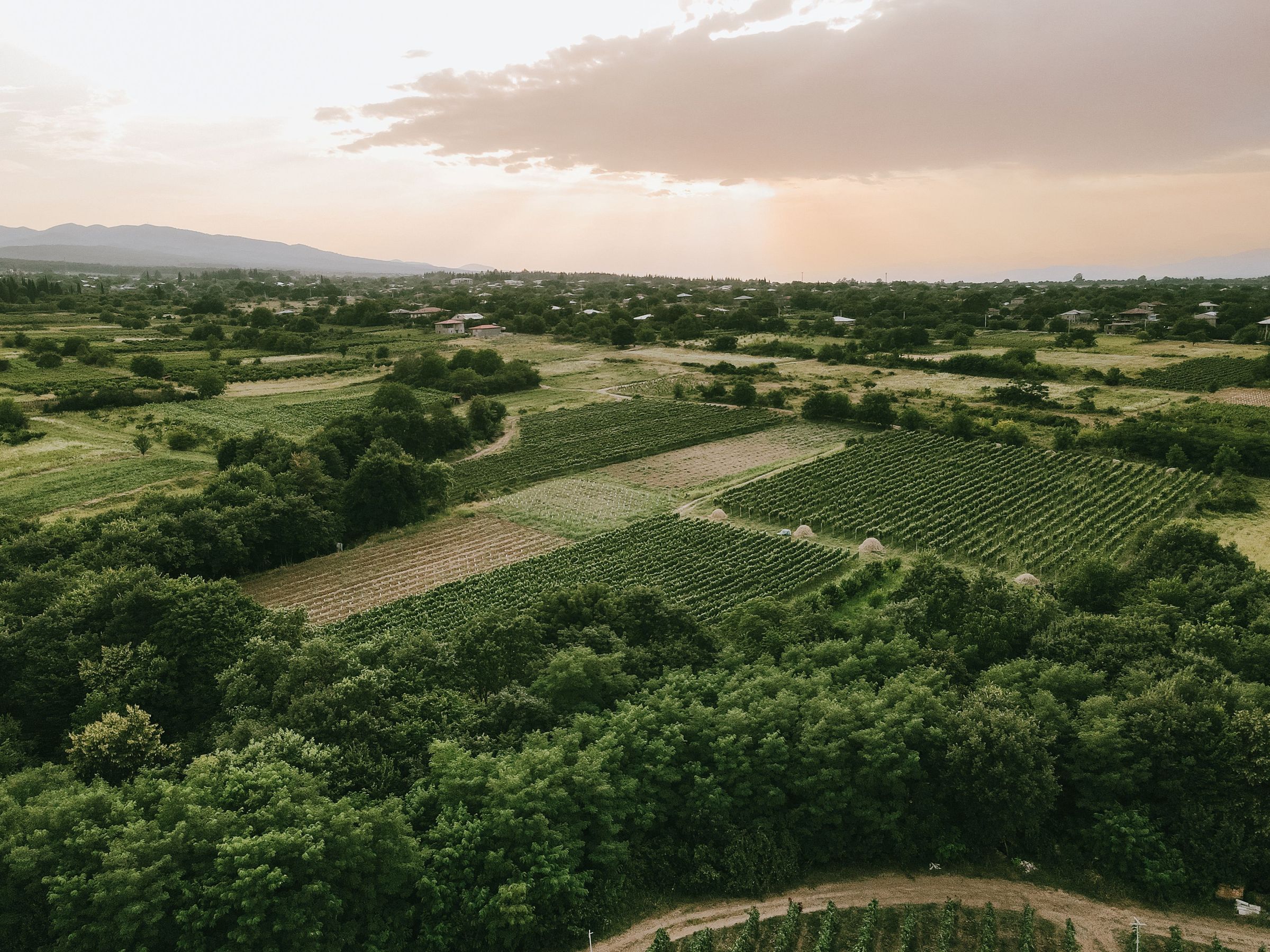
Kakheti's Alazani Valley is where wine was born roughly 8,000 years ago, and the region still ferments in the same buried clay qvevri today. For most first-time visitors, Pheasant's Tears in Sighnaghi is the best single stop, pairing pioneering natural qvevri wine with a proper cellar-to-table meal. If you only have one afternoon and want the fullest picture of the tradition, add Tsinandali Estate for the history and Khareba's underground tunnel for the spectacle.

Top picks

  • Best Overall: Pheasant's Tears Winery
  • Best for History and Culture: Tsinandali Estate
  • Best Unique Experience: Khareba Winery (Gvirabi Wine Tunnel)
  1. Pheasant's Tears Winery

    Best for natural qvevri wine and a proper cellar meal

    Founded in 2007 by American painter and musician John Wurdeman with Kakhetian winemaker Gela Patalishvili, Pheasant's Tears helped spark the modern revival of Georgia's ancient qvevri method — fermenting grapes skin-on in vessels buried underground, the same technique now recognised by UNESCO. The winery occupies a restored 19th-century house in Sighnaghi with a working marani where you can watch qvevri being sealed with beeswax before descending into the earth for months. What sets it apart is the full experience: a proper restaurant upstairs serves a changing pairing menu drawn straight from the cellar below, so the amber and red wines you taste are the same ones on your plate. Book ahead, especially in September and October during rtveli, when workers still stomp the harvest by foot in open vats out back. If you have time for only one Kakheti winery, this is the one that shows both the ancient method and why it still matters.

    Sighnaghi

  2. Tsinandali Estate

    Best for wine history and a walk through Georgian noble life

    Tsinandali was the 19th-century home of Prince Alexander Chavchavadze, poet, diplomat and the man who first bottled Georgian wine for export to Europe. He imported French vine varieties, built the country's first European-style winery in 1841, and turned his estate into a literary salon that drew Pushkin, Griboedov and Lermontov. The complex still holds that original wine cellar alongside rare 19th-century bottles, the prince's library and restored drawing rooms, and a formal English-style botanical garden — Georgia's first — laid out against wild views of the Alazani Valley and the Caucasus beyond. Unlike a working family cellar, this is a museum-estate: the appeal is understanding where Georgia's dual wine identity — ancient qvevri tradition meeting European technique — actually began. A modern winery on the grounds continues to produce wine from the same terroir, so a tasting caps the visit rather than being its point. Ten kilometres from Telavi, easily combined with a half-day Kakheti itinerary.

    Tsinandali, near Telavi

  3. Khareba Winery (Gvirabi Wine Tunnel)

    Best for a dramatic, one-of-a-kind setting

    Khareba ages its wine inside a 7.7-kilometre tunnel bored into the limestone foothills near Kvareli — built by the Soviet military in 1962 and repurposed for wine storage in 2005. The tunnel holds a constant 12–14°C at 70% humidity, ideal conditions for both qvevri and barrel ageing, and now shelters over 25,000 bottles including private collections in near-total darkness. Walking the illuminated length to a tasting chamber carved from solid rock is unlike anything else on this list; the cathedral-like stone archways and dripping cool air make the scale of the operation obvious in a way no cellar tour can match. Above ground, a traditional Kakhetian house runs bread-baking and churchkhela-making demonstrations alongside tastings comparing qvevri wine with European barrel ageing. It suits visitors who want spectacle as much as wine — book ahead, particularly around the October harvest.

    Near Kvareli

  4. Okro's Wines

    Best for an intimate, family-run cellar

    Okro's is a small family winery in Sighnaghi where Zurab and his sons have made natural qvevri wine since 2004, and the intimacy is the entire point. There is no tasting-room staff rota here — Zurab himself typically guides visitors through the more than twenty buried clay vessels fermenting in his cellar, explaining how the family farms its organic vineyards on the slopes above town and ferments grapes with their skins for months. Tastings usually run to the amber Rkatsiteli and the rarer Otskhanuri Sapere alongside a structured Saperavi red, poured in the same stone building where the wine ages. It's the closest thing on this list to visiting a Georgian grandfather's cellar rather than a business, which is exactly why it rewards calling ahead — the family may be out working the vines, and English-speaking availability depends on who's home. Best paired with a walk up to the vineyard slopes for valley views before or after.

    Sighnaghi

  5. Schuchmann Wines Chateau

    Best for a slower, full-day wine retreat

    Schuchmann, in Velistsikhe, pairs German winemaking precision with Georgian tradition on an estate built as much for lingering as for tasting. The cellar runs qvevri and steel fermentation side by side, and the estate's boutique hotel and restaurant mean a visit can stretch from a morning tour into an afternoon on the terrace over Saperavi with sweeping views of the Alazani Valley and the Greater Caucasus behind it. Its signature touch is a grape-based 'wine therapy' treatment — an unusual but genuine extension of Kakheti's wine culture into wellness, using the region's Rkatsiteli and Saperavi. This is the pick for travellers who want one unhurried wine stop rather than a circuit of cellars, or who are already staying in the area and want to make an afternoon of it rather than a twenty-minute tasting. A two-hour drive from Tbilisi, best from May through October.

    Velistsikhe

  6. Twins Wine Cellar

    Best for hands-on cooking alongside the wine

    Run by brothers Gia and Gela Gamtkitsulashvili in the village of Napareuli, Twins built its reputation on immersion rather than observation. Their qvevri marani holds dozens of clay vessels buried shoulder-deep in the cellar floor, each lined with beeswax ahead of the autumn harvest, and an attached Museum of Viticulture and Ethnography displays 19th-century drinking horns and cellar tools alongside photographs of village life. What distinguishes the visit is that you don't just watch: hands-on khinkali and shoti-bread-making sessions in the traditional kitchen are built into the experience, paired with a vertical tasting of the family's reserve wines. It's the most participatory stop on this list, well suited to travellers who want to leave having made something as well as tasted something. Best during the September–October Rtveli harvest, when the cellar is at its most alive; tastings by appointment.

    Napareuli

  7. Shumi Winery

    Best for understanding 8,000 years of winemaking in one visit

    Shumi, on the banks of the Alazani River near Telavi, built one of Georgia's most comprehensive wine museums — a walk through roughly 8,000 years of Georgian viticulture using original qvevri fragments, ethnographic tools and Soviet-era wine labels, tracing a tradition now recognised by UNESCO as intangible cultural heritage. Founded in 2001, the estate farms 700 hectares across several microclimates and produces both European-method wines and traditional amber wines fermented in buried clay, letting a single guided tasting compare the two side by side from the same vineyard. This is the winery to choose if you want the full historical arc explained clearly before you taste, rather than picking it up in fragments across several stops — a useful first visit for anyone new to Georgian wine before heading on to smaller family cellars. English-speaking guides are available by reservation; book two weeks ahead for the September–October harvest.

    Telavi

  8. Teliani Valley Winery

    Best for serious tasters who want vertical comparisons

    Teliani Valley traces back to a 19th-century estate that survived Soviet collectivisation, and its tasting room now occupies a renovated factory space where qvevri once held state-mandated bulk wine. Today the winery runs one of Kakheti's largest qvevri programmes for traditional amber wine alongside temperature-controlled modern production, and its underground cellar holds more than 150 buried vessels, some still in use since the 1960s. What makes it worth seeking out is depth over breadth: request the vertical tasting of their Saperavi Reserve spanning 2005 to 2020, which lets you track how post-Soviet vineyard management actually changed the wine, and ask to see the experimental 'mother block' where rare indigenous grape varieties are being propagated. This suits visitors who already know a little about Georgian wine and want to taste evolution rather than variety. Book 48 hours ahead for English-speaking staff, essential during the September harvest.

    Telavi

  9. Badagoni Winery

    Best for groups and first-time visitors wanting a polished, easy stop

    Badagoni is one of Georgia's largest and most technologically advanced wineries, founded in 2002 just outside Sighnaghi, and it's built for visitors in a way smaller family cellars aren't — clear signage, an on-site Wine Museum tracing 8,000 years of Kakhetian winemaking, and tasting rooms overlooking the Alazani Valley's vineyard patchwork. Below ground, thousands of French oak barrels sit alongside traditional clay qvevri, and guided tastings routinely compare qvevri-aged Saperavi with European-style wine made from the same harvest, making the difference between the two methods easy to grasp in a single sitting. English-speaking staff and straightforward advance booking make this the most reliable choice for larger groups, coach tours, or anyone visiting Kakheti on a tight schedule who still wants a real winery rather than a gift-shop stop. Ten minutes from Sighnaghi on the Tbilisi highway, open year-round.

    Near Sighnaghi

Best for every traveller

  • First-time visitors with one afternoon: Pheasant's Tears Winery — One stop covers the natural qvevri method, a proper meal, and Sighnaghi's setting without needing a second cellar to make sense of it.
  • History and culture lovers: Tsinandali Estate — The clearest window into how Georgian wine met European winemaking, told through Prince Chavchavadze's actual house, cellar and garden.
  • Couples and honeymooners: Schuchmann Wines Chateau — A boutique hotel and restaurant on the estate turn a tasting into an unhurried day with valley views, rather than a quick stop between sites.
  • Serious wine enthusiasts: Teliani Valley Winery — A vertical Saperavi tasting and an experimental indigenous-variety vineyard reward visitors who already know what they're comparing.
  • Families and larger groups: Badagoni Winery — Reliable booking, English-speaking staff, and a museum alongside the cellar make it the easiest winery to bring a mixed group to.

How to choose

Decide first whether you want breadth or depth. A single well-chosen stop like Pheasant's Tears or Tsinandali will teach you the whole story of Kakhetian wine in one visit; stringing together three or four smaller cellars like Okro's and Twins gives a more textured, personal picture but takes a full day and a driver. Second, decide what kind of wine experience you actually want: a working family marani (Okro's, Twins), a museum-grade history lesson (Tsinandali, Shumi, Gurjaani Wine Museum), a large modern facility built for easy group visits (Badagoni, Khareba), or a full day out with food and lodging attached (Schuchmann, Pheasant's Tears). Most family cellars require calling or emailing ahead rather than walking in, especially outside peak season — build that into your plan rather than treating Kakheti as a drop-in wine region.

Methodology — how we ranked

This list is built from what each winery or estate actually offers a visitor, not from marketing. We weighed: the authenticity and depth of the winemaking on show (working qvevri cellars versus staged demonstrations); how distinctive the visit is against everything else on this list; ease of access from Telavi, Sighnaghi and Tbilisi; whether tastings and tours are genuinely bookable by an independent traveller rather than trade-only; the setting and scenery around the cellar; the cultural or historical weight of the site; and whether the operation supports the small family growers and traditional practices that make Kakheti's wine culture worth protecting. Every place named here is a real, visitable winery, estate or wine museum in the Alazani Valley.

Know before you go

Practical notes, without the noise

Kakheti's wine towns sit roughly 90 minutes to 2.5 hours from Tbilisi by road; Telavi and Sighnaghi are the two natural bases, both reachable by marshrutka from Tbilisi's Samgori station or by hired car and driver. Public transport between individual wineries and villages is sparse, so a car, driver, or organised day tour from Tbilisi or Telavi is close to essential if you want to visit more than one estate in a day. September and October bring rtveli, the grape harvest, when cellars are liveliest and some wineries invite visitors to help with the crush — but it's also the busiest and most booking-dependent season. Late spring through early autumn (May–October) covers most wineries' full opening hours; a few smaller family cellars operate by appointment year-round regardless of season. Tastings are usually inexpensive relative to Western Europe, though multi-wine flights, cellar tours, and paired meals (as at Pheasant's Tears) cost more than a simple pour.

How many days should I set aside for wine touring in Kakheti?

A single long day from Tbilisi can cover two or three wineries plus Sighnaghi's old town, but staying one or two nights in Telavi or Sighnaghi lets you visit family cellars that need advance notice and add a monastery or two without rushing.

Do I need a car to visit these wineries?

Yes, for anything beyond a single stop. Marshrutkas connect Tbilisi to Telavi and Sighnaghi, but the wineries themselves are spread across villages with little public transport between them, so a hired driver or organised tour is the practical option.

What actually is qvevri wine?

Qvevri are large clay vessels buried underground, used in Georgia for roughly 8,000 years to ferment grapes — often with their skins, stems and seeds left in — producing the tannic amber wines particular to Georgia. UNESCO recognises the method as intangible cultural heritage, and most wineries on this list still use it alongside or instead of steel and oak.

Is September the only good time to visit?

It's the most atmospheric, since rtveli (the grape harvest) brings open cellars and, at some wineries, hands-on crushing — but it's also the busiest and most booking-dependent stretch. Late spring through summer offers flowering vines, quieter cellars, and easier last-minute bookings at the larger wineries.

Do family wineries need to be booked in advance?

Most do, especially smaller operations like Okro's and Twins, where the family may be working the vineyards rather than staffing a tasting room. Larger estates such as Badagoni and Khareba can often take walk-ins outside peak season but still recommend booking ahead.

We re-check: winery opening hours and days closed; tasting and tour prices; advance-booking requirements at family cellars; seasonal access to the Khareba wine tunnel; harvest (rtveli) timing year to year.
Last reviewed 25 August 2026 · biannual

Every booking removes 1 tonne of CO₂ — no surcharge.