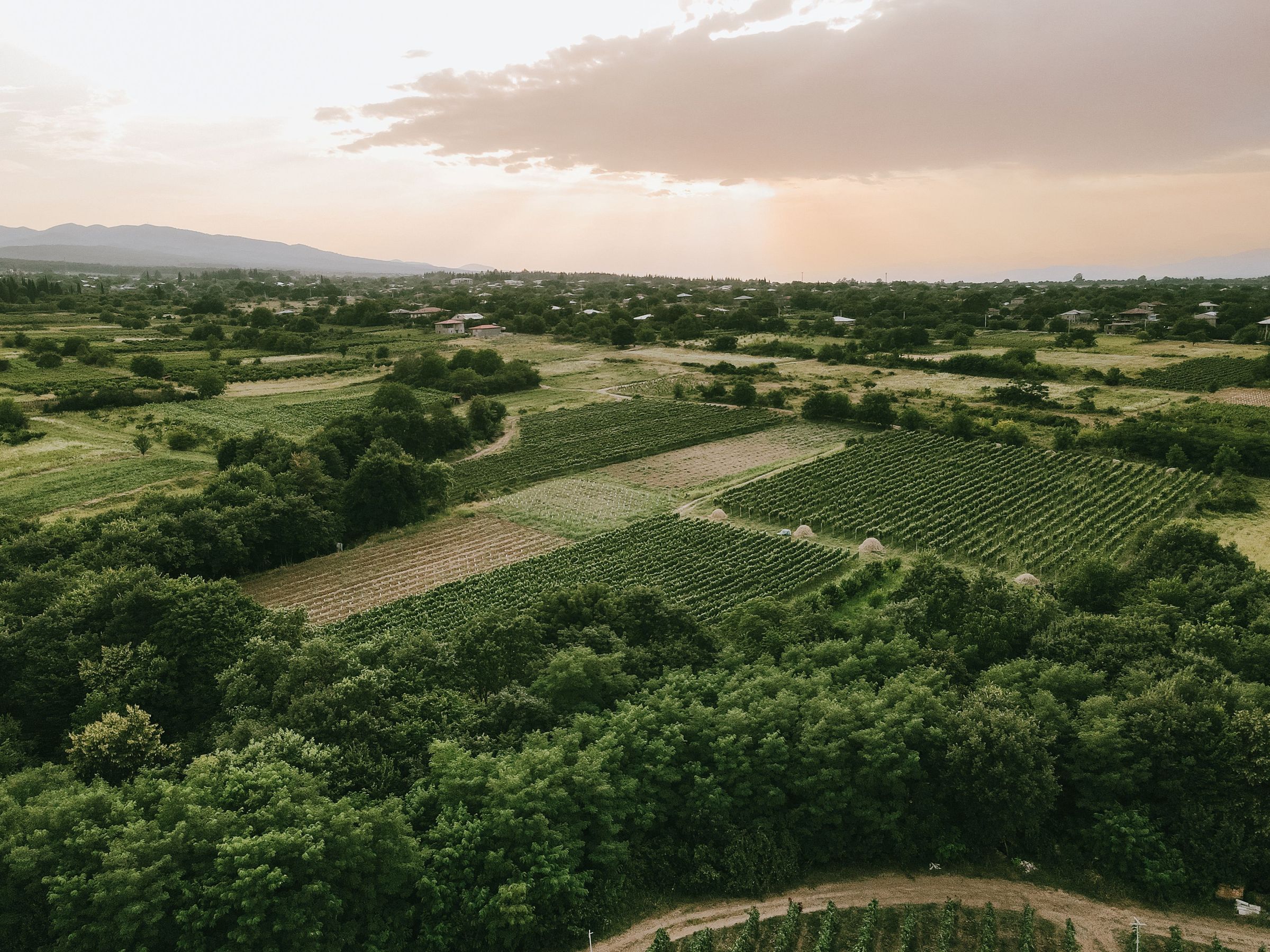
Rtveli, the grape harvest, runs roughly mid-September through October and is the single best time to visit any of these regions — cellars open fully, families crush grapes by foot, and supra feasts happen more often. Spring, from April, offers flowering vines and far fewer visitors, though fewer harvest events. A car is close to essential for Kakheti's village-to-village route, since public transport between wine villages is infrequent; marshrutkas run from Tbilisi's Samgori station to Telavi and Sighnaghi but won't get you between cellars once there. Racha-Lechkhumi and Imereti require more driving and, in Racha's case, a sturdy vehicle for the final stretch of mountain road — most visitors approach both via Kutaisi. Advance booking matters more than it looks: family-run cellars like Okro's or the Twins Wine Cellar are genuinely small operations, and an unannounced arrival may find no one available to pour.
What is qvevri wine, and why is Georgia central to it?
Qvevri are large clay vessels buried underground, used to ferment and age wine with grape skins, stems and sometimes seeds still in contact with the juice. Georgian winemakers have used the method for roughly 8,000 years, and UNESCO recognised it as Intangible Cultural Heritage in 2013. Kakheti is where the tradition is most visible today, though Imereti and Adjara use related but distinct vessels and styles.
Do I need a car to visit Georgia's wine regions?
For Kakheti, effectively yes, if you want to move between more than one village in a day — marshrutkas connect Tbilisi to Telavi and Sighnaghi, but service between the wine villages themselves is sparse. A private driver or rental car is the standard approach, and most Tbilisi-based tour operators run day trips covering Telavi, Tsinandali and Sighnaghi together.
When is the best time to visit for wine tourism specifically?
September and October, during rtveli, when cellars are at their most active and harvest events like foot-crushing and supra feasts are common. April through June offers a quieter alternative with flowering vines, and most wineries operate tastings year-round regardless of season.
What's the real difference between Kakhetian and Imeretian wine?
Kakheti ferments grapes skin-on in qvevri, producing tannic amber whites and structured reds from Rkatsiteli and Saperavi. Imereti uses a narrower vessel called the churi and generally favours lighter, more aromatic whites from Tsitska, Tsolikouri and Krakhuna, reflecting the cooler, wetter climate of western Georgia. They are different enough that visiting both is worthwhile rather than redundant.
Can I visit Georgian wineries without a strong interest in wine?
Yes — most of the estates on this list combine tastings with something else: a 19th-century palace at Tsinandali, a fortified hilltop town at Sighnaghi, a Soviet military tunnel at Khareba, or a royal ruin at Gremi. The wine is often the reason to go, but rarely the only thing worth seeing once there.
We re-check: winery opening hours and whether advance booking is required; which family cellars are actively pouring versus mid-harvest and closed to visitors; tasting and tour prices; road conditions on the final approach to Tvishi and other Racha-Lechkhumi villages; marshrutka schedules between Tbilisi and Kakheti wine towns.