Why go
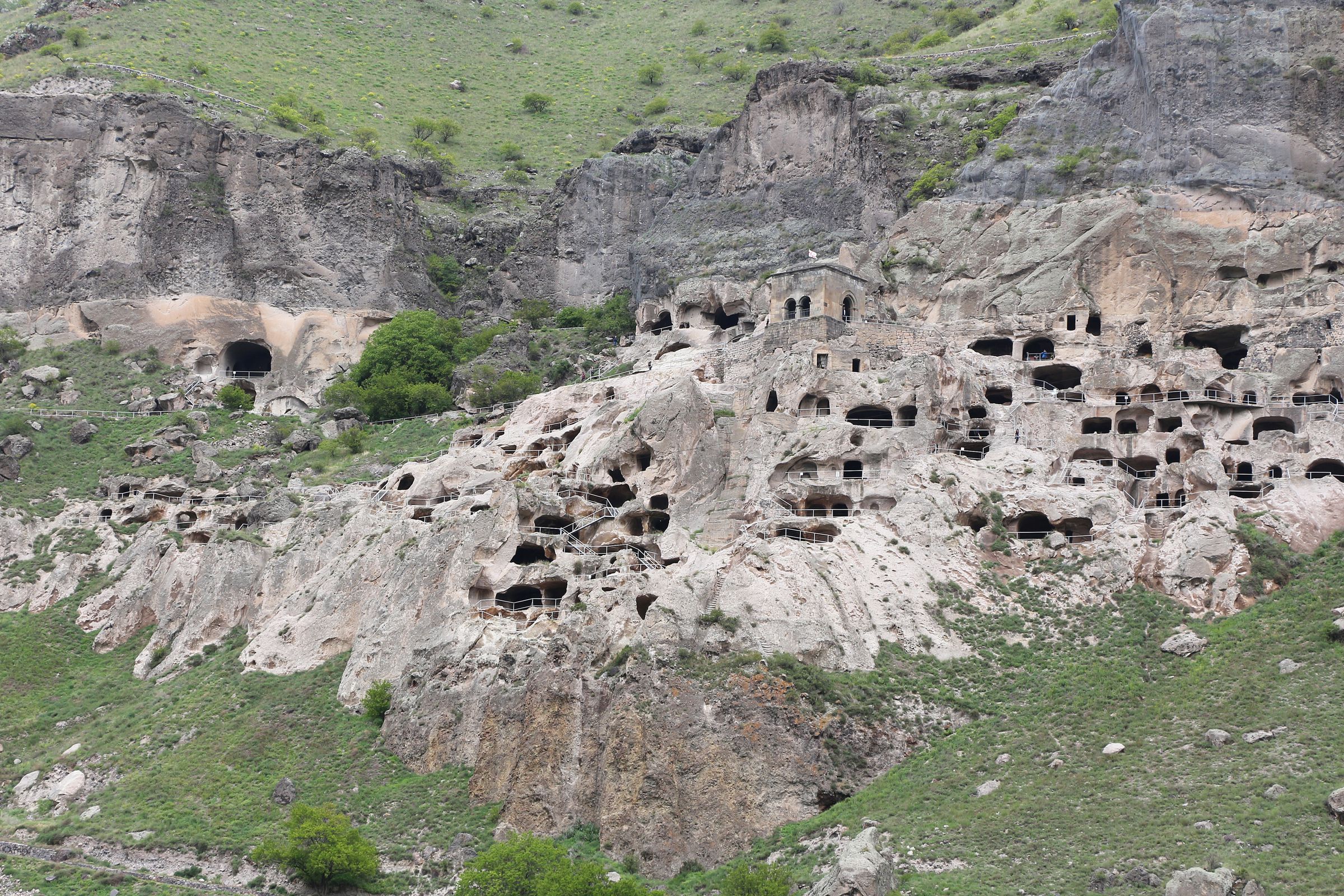
In 1185, Queen Tamar commissioned this subterranean fortress-monastery to shelter 50,000 souls from Mongol invasion. What emerged was thirteen levels of hand-carved existence: wine presses, bakeries, a forge, and the Church of the Dormition with its stunning fresco of Tamar herself, golden-haired and haloed. Only a fraction of the 6,000 caves remain after a 1283 earthquake collapsed the cliff face, but what survives feels impossibly intimate—narrow staircases worn smooth by centuries of sandaled feet, secret tunnels that once connected royal chambers to refectories. Vardzia is not ruins; it is a breathing argument for how faith and engineering can reshape stone itself.