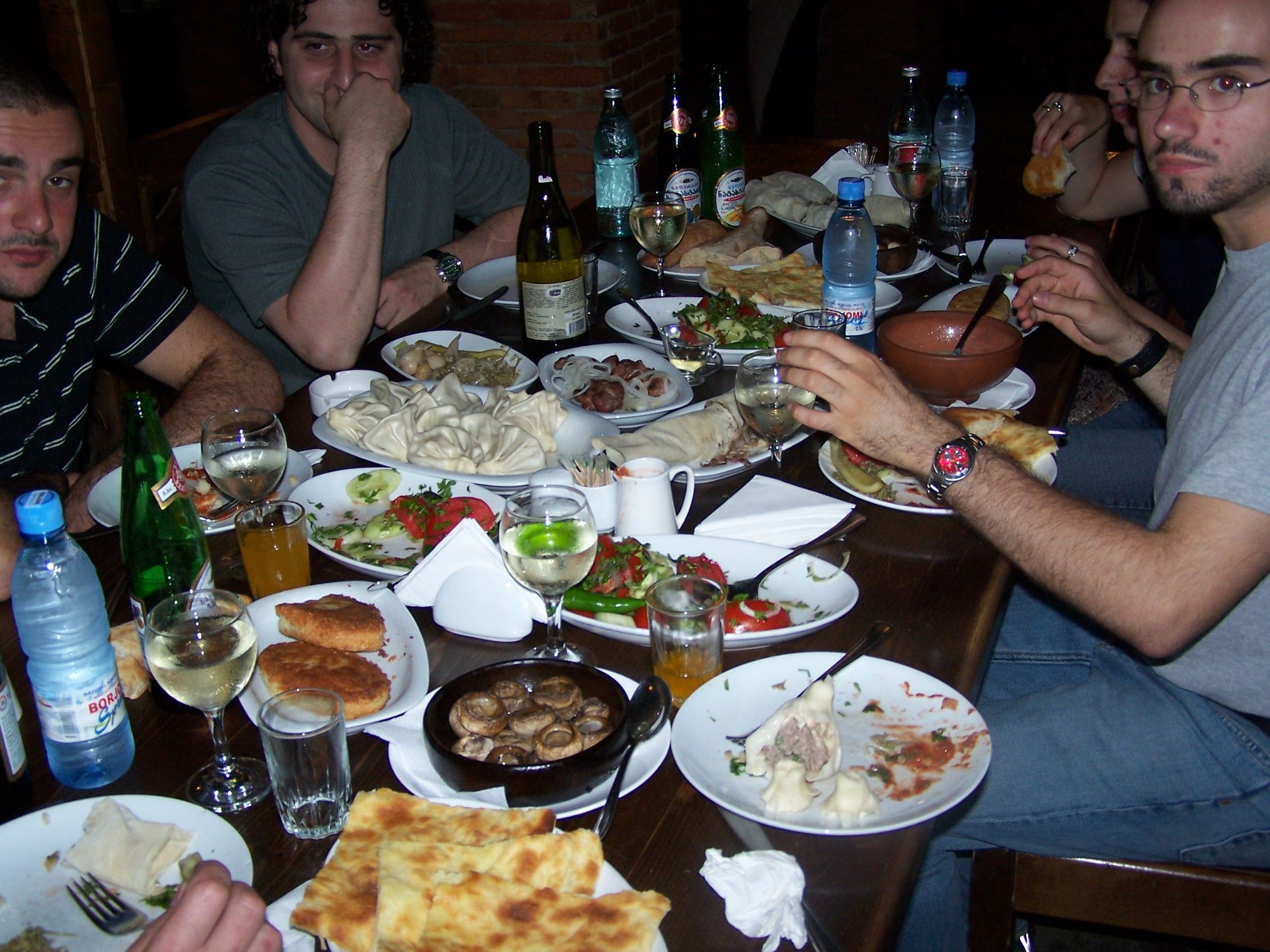
A Guide to the Georgian Supra
What a Georgian supra actually is, how the tamada runs the toasts, the dishes and qvevri wine you'll be served, and where in Kakheti to experience one
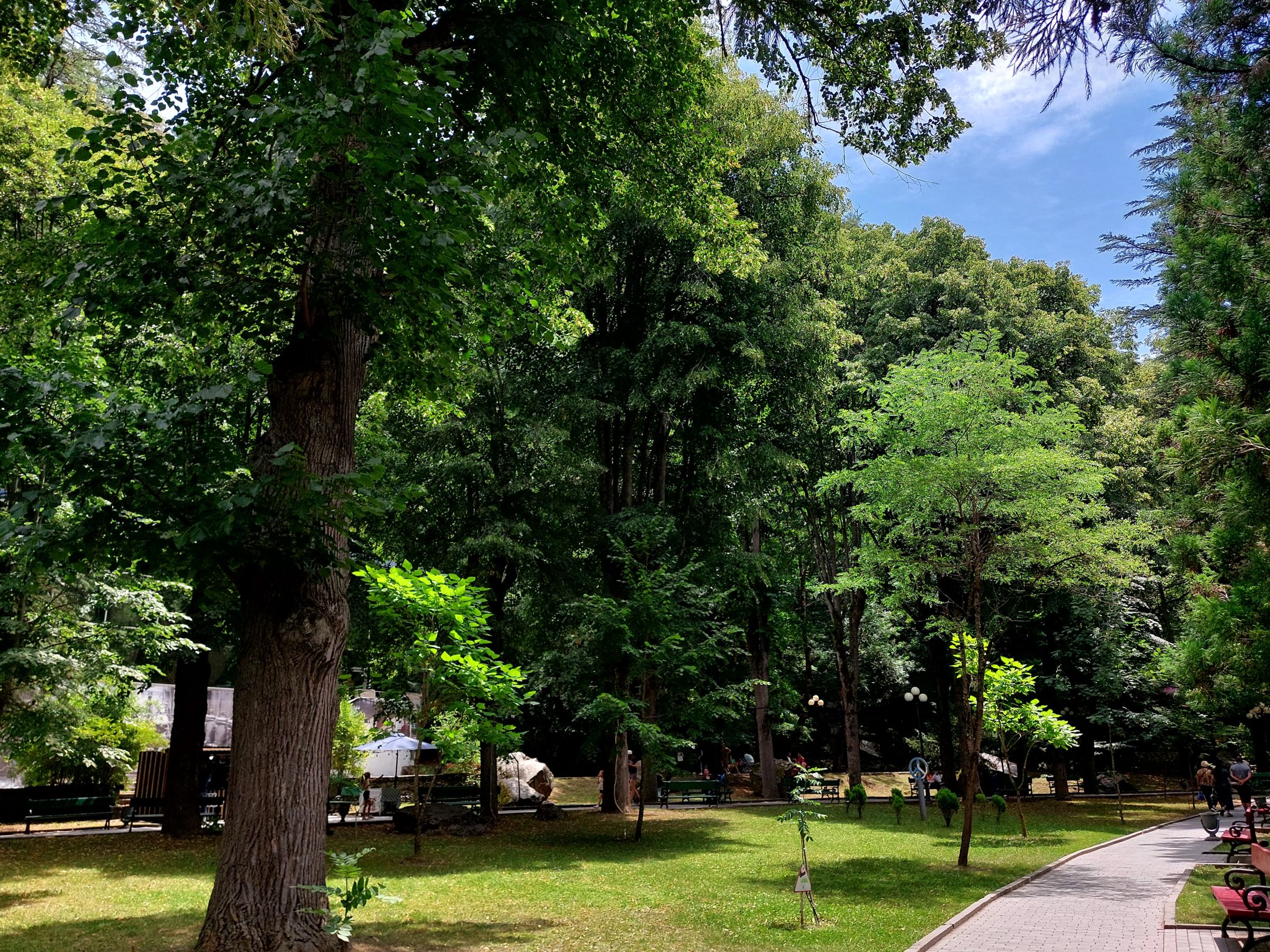
A country of vineyards, watchtowers and high Caucasus light — told slowly, booked with care.
Practical guides to Georgia: seasons, passes, supra etiquette, transport and the honest logistics of the Caucasus.
Begin with these — then wander. Each card is a doorway, not a checklist.
What a Georgian supra actually is, how the tamada runs the toasts, the dishes and qvevri wine you'll be served, and where in Kakheti to experience one
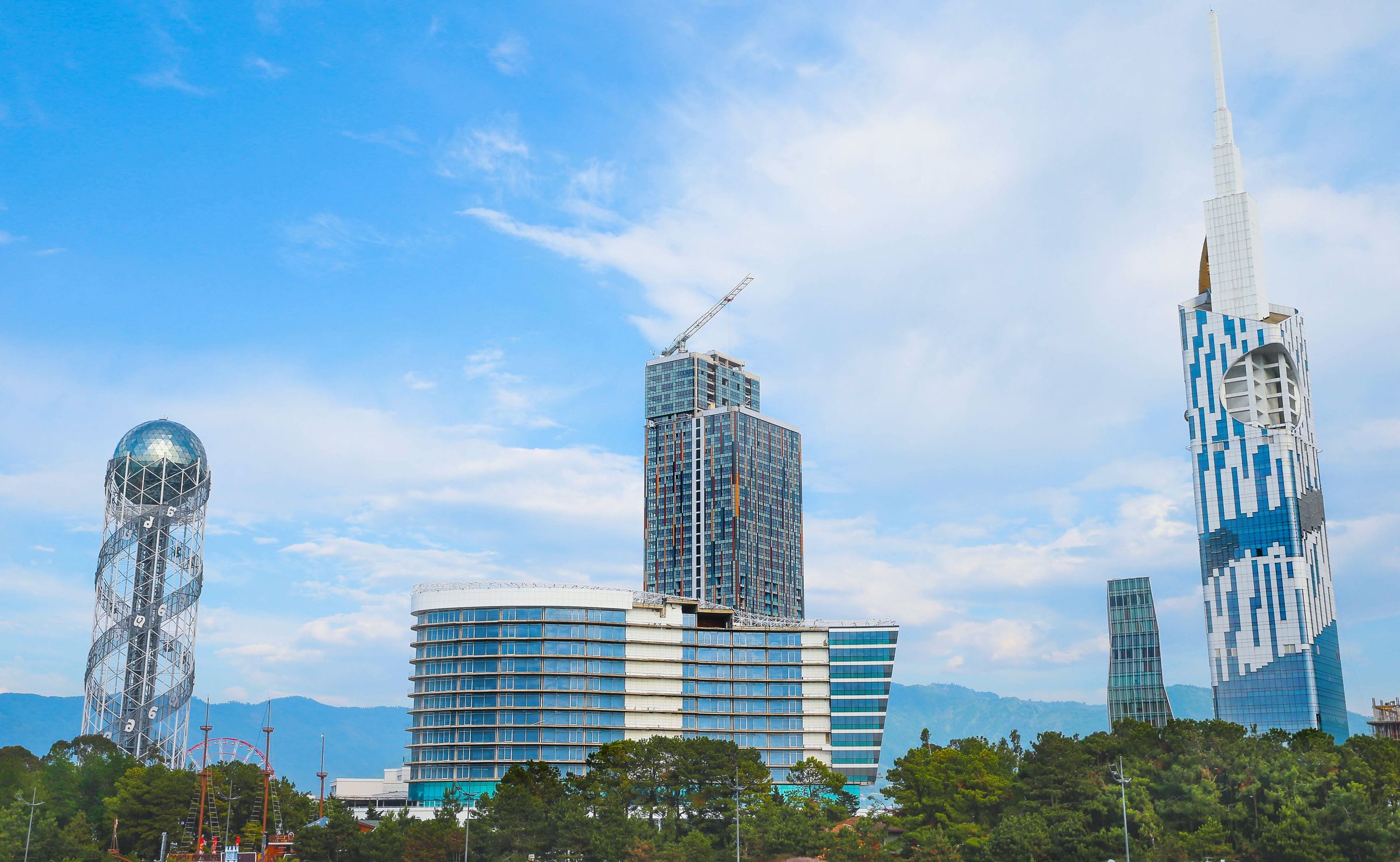
Batumi is more than a pebble beach and a boulevard. A Roman fortress, a Byzantine ruin, a rainforest national park, a waterfall-and-wine road, and a b

How to spend time in Borjomi, Georgia's Romanov-era mineral water town: the springs, the national park, the narrow-gauge railway to Bakuriani, and whe
A realistic 3-day Georgia itinerary for first-time visitors: Tbilisi's Old Town and baths, Mtskheta and the Georgian Military Highway to Kazbegi, then
How to actually eat your way across Georgia: the supra ritual, the khinkali heartland, the Kakheti wine route, Svaneti's highland kitchen and where ea

What qvevri actually is, why UNESCO recognised it, and the nine places in Kakheti where a first-time visitor can watch, taste, and understand Georgia'

How to actually move around Georgia: marshrutka minibuses, the Tbilisi–Batumi and Tbilisi–Kutaisi trains, hired drivers and cable cars, matched to rou
Train, marshrutka, taxi, or self-drive: a clear-eyed comparison of every real way to travel the 370km between Tbilisi and Batumi, with who each option
Marshrutka, private driver, self-drive, or guided tour: every real way to travel the Georgian Military Highway from Tbilisi to Kazbegi (Stepantsminda)
A grounded, region-by-region look at safety in Georgia — where it's genuinely relaxed, where extra preparation matters, and the one area to avoid.

How to plan time in Kutaisi and Imereti: the medieval circuit, the cave day, the canyon day, Tskaltubo's Soviet ruins, and where to base yourself — gr
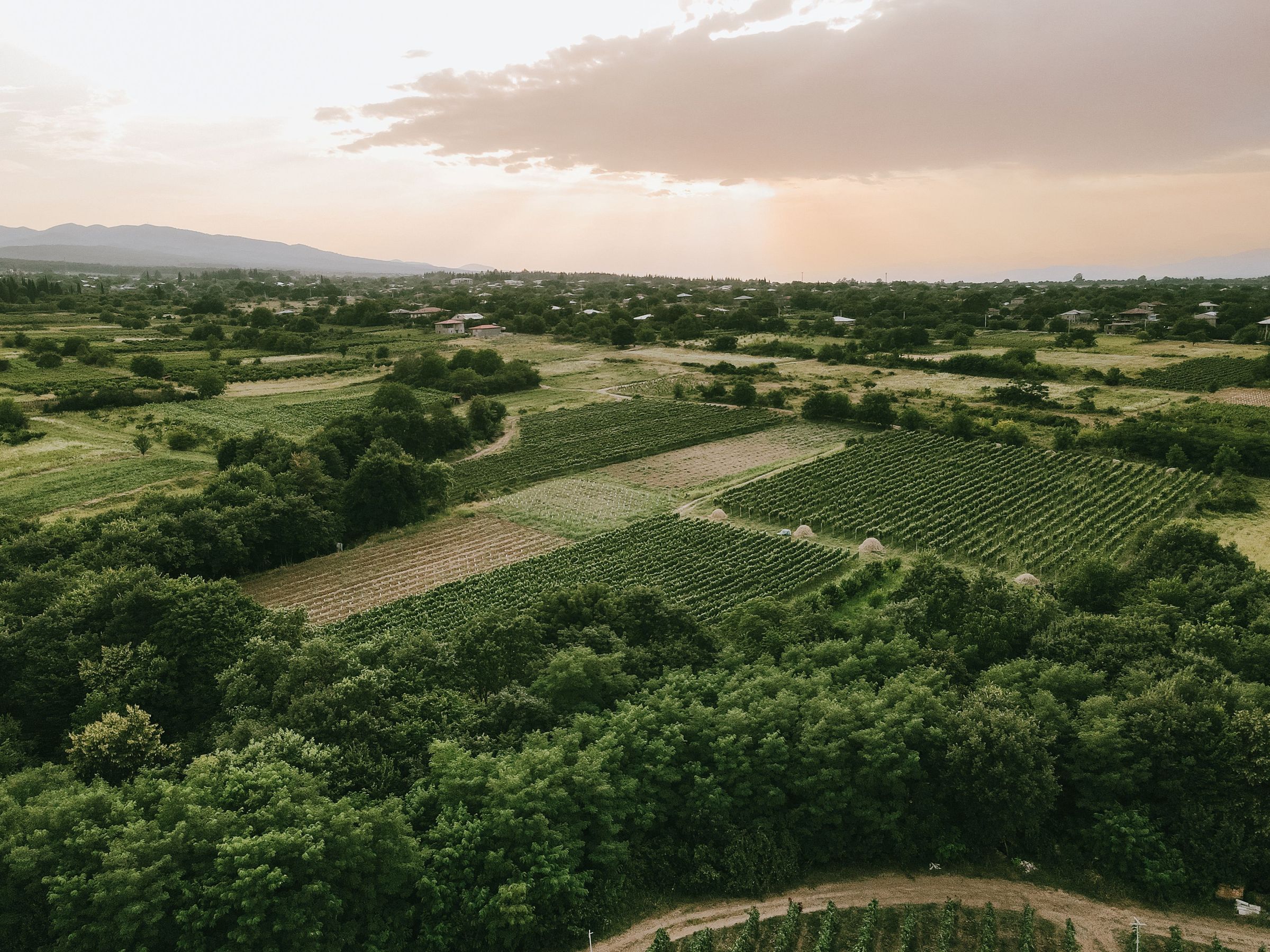
A traveller's guide to Georgia's currency, ATMs, SIM cards and mobile data, tipping, transport payments and emergency numbers — what actually works in
A traveller's guide to Mtskheta, Georgia's 3,000-year-old former capital: the UNESCO churches worth your time, how to see them in one day, and who sho
How to take part in rtveli, Georgia's autumn grape harvest in Kakheti: when it happens, which wineries welcome visitors into the crush, and how to boo

Sighnaghi, Georgia's hilltop City of Love: why it earned the name, the fortress walls and wineries worth your time, and how to plan a day or overnight

A practical, editorial guide to skiing in Bakuriani, Georgia's oldest winter resort: which slopes suit your level, how to arrive by the Kukushka railw
Everything you need to ski Gudauri: the lift system and sectors, off-piste and heli-skiing, where to stay, getting there from Tbilisi, and when the ro
Georgia already rewards low-impact travel: homestay-based highland trekking, buried-clay winemaking, and a national park network covering rainforest t
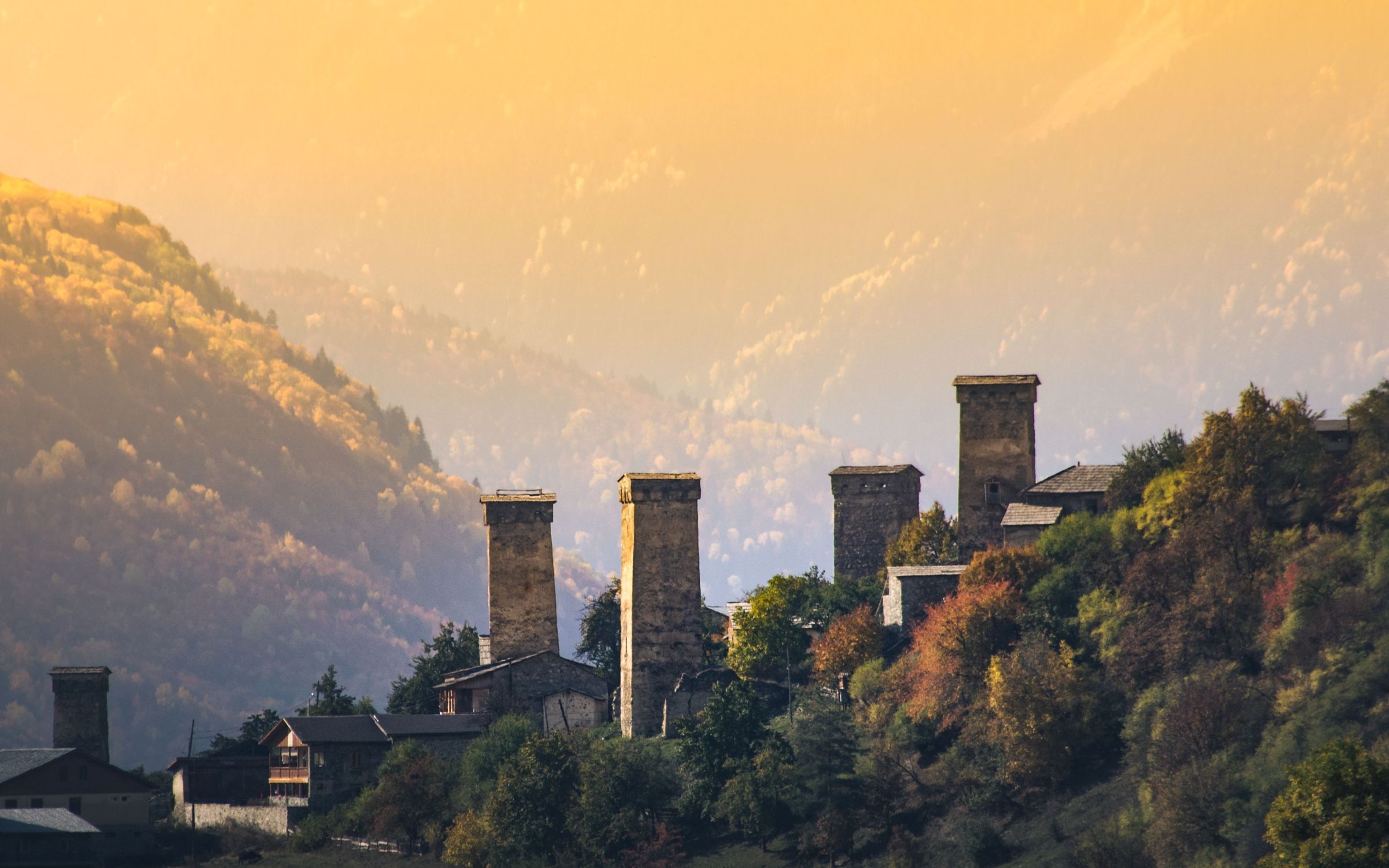
Where Svaneti's medieval defensive towers came from, why they still stand, and the villages — from Ushguli to Mestia to lesser-known Adishi — where yo

A self-paced walking route through Tbilisi's Old Town, from Sioni Cathedral and the sulfur baths of Abanotubani to Narikala Fortress and the Bridge of
Drive Georgia's legendary 208km mountain highway from Tbilisi to Kazbegi: every essential stop, what each is best for, and how to plan the trip.

A stage-by-stage guide to Svaneti's classic multi-day trek from Mestia to Ushguli: route, river crossing, guesthouses, difficulty and when to go.
A realistic, region-by-region 10-day route through Georgia: Tbilisi and Mtskheta, the Kazbegi highlands, Kakheti's vineyards, and Svaneti's tower vill
A week in Georgia that actually works: Tbilisi's old town and wine bars, a night in the Kazbegi mountains, and two days deep in Kakheti wine country.

A practical plan for reaching Tusheti: when the Abano Pass is actually open, how to get there from Tbilisi, where to base yourself, homestays versus h
How to visit Davit Gareja, the 6th-century cave monastery complex on Georgia's border with Azerbaijan: getting there, what to see, the border-zone rul
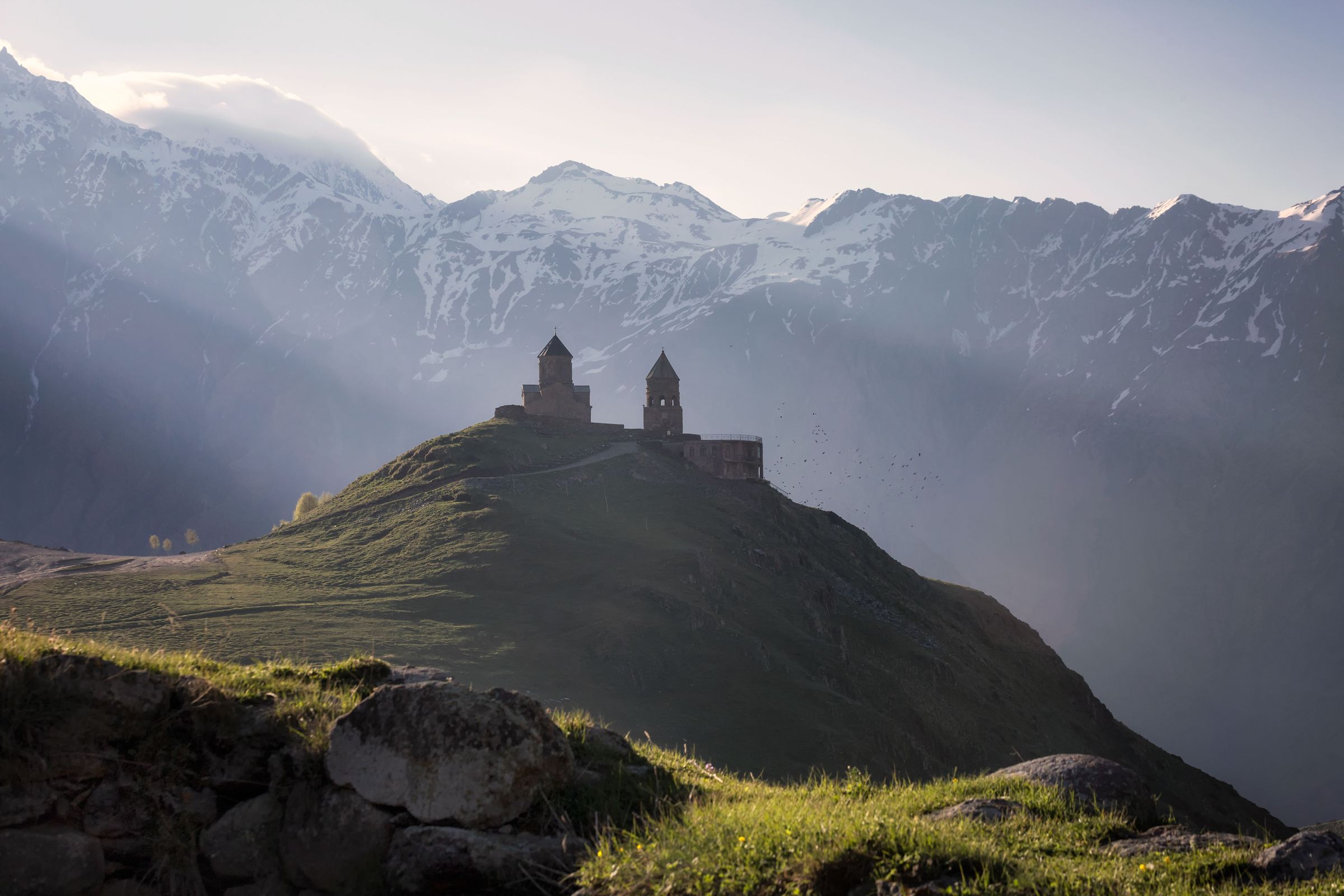
How to reach Gergeti Trinity Church above Stepantsminda, when to go, what to see once you're there, and which onward routes into Juta, Truso Valley, o

How to visit Prometheus Cave and Okatse Canyon near Kutaisi: the underground boat ride, the 780-metre hanging walkway, what to pair them with, and whe
How to visit Vardzia, Queen Tamar's 12th-century cave city in southern Georgia: getting there, what to see inside, the best sites to pair it with, and

A month-by-month guide to visiting Georgia, from Tusheti's brief summer window to Gudauri's winter snow and Kakheti's autumn wine harvest, with honest
Curated, not crowded. Our editors’ orders of merit — updated with the seasons.
Every page carries its review date and schedule.
Written slowly, kept current.
Each piece links the wonders it names — and a bed nearby.
High passes, wine roads, and the slow coast — open the national atlas and plot a generous route.
Open the atlas →Late spring and September–October bring harvest light, open high roads, and terrace weather. Winter is for ski villages and sulphur baths; high summer belongs to the Black Sea. Shoulder months reward the unhurried.
Many travellers enter visa-free for a generous stay. Always confirm current entry rules for your passport before you book — then spend the saved hour on a long lunch.
Marshrutka minibuses, comfortable coaches, a handful of trains, and hired drivers cover most ground. Mountain roads ask for daylight and patience. Build slack into every itinerary.
Every booking removes 1 tonne of CO2 — no surcharge. It is included, not optional, and never an excuse to travel carelessly. Stay longer; spend locally; tread lightly on alpine meadows.
In cities and guesthouses, yes — and a few words of Georgian open every door. Look for the script; it is part of the landscape. Menus often arrive in three languages, like this site.
25 August 2026 · reviewed quarterly