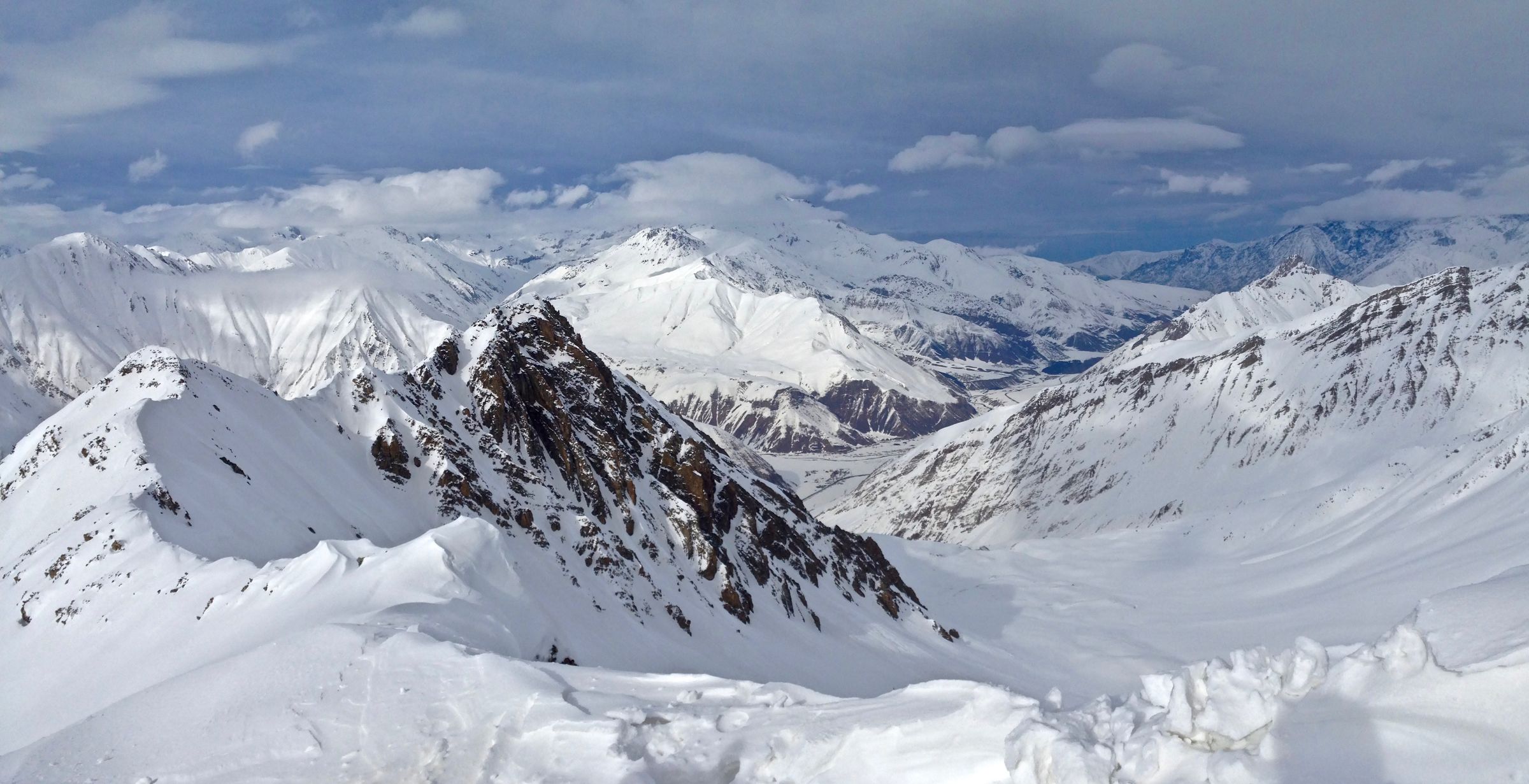
Gudauri
Where the Caucasus meets the sky

A country of vineyards, watchtowers and high Caucasus light — told slowly, booked with care.
Gudauri is a purpose-built resort town at 2,196 metres on the Georgian Military Highway, roughly two hours north of Tbilisi, and it lives two lives: a serious winter ski and heli-ski destination from December to March, and a spectacular high-altitude stop on the road-trip route to Kazbegi for the rest of the year. Most visitors either base here for a few days of skiing, or pass through for an hour or two to take in the Jvari Pass viewpoint and the Soviet-era Friendship Monument before continuing north.
Gudauri's slopes and the Ananuri-Zhinvali combination just down the highway are the two images most travellers associate with this stretch of road, but the corridor holds real depth beyond them: Tskhra-Tskaro's ice-filled shafts and the abandoned defensive towers of Tskere in the Khada Gorge are as remarkable as anything better signposted, simply harder to find without knowing to look.
The atlas holds 13 documented wonders here — alpine area, church, fortress, lake, monument, plateau, site, ski. Base yourself in Gudauri and radiate outwards; nothing below is more than a day away.
Begin with these — then wander. Each card is a doorway, not a checklist.
Where the Caucasus meets the sky
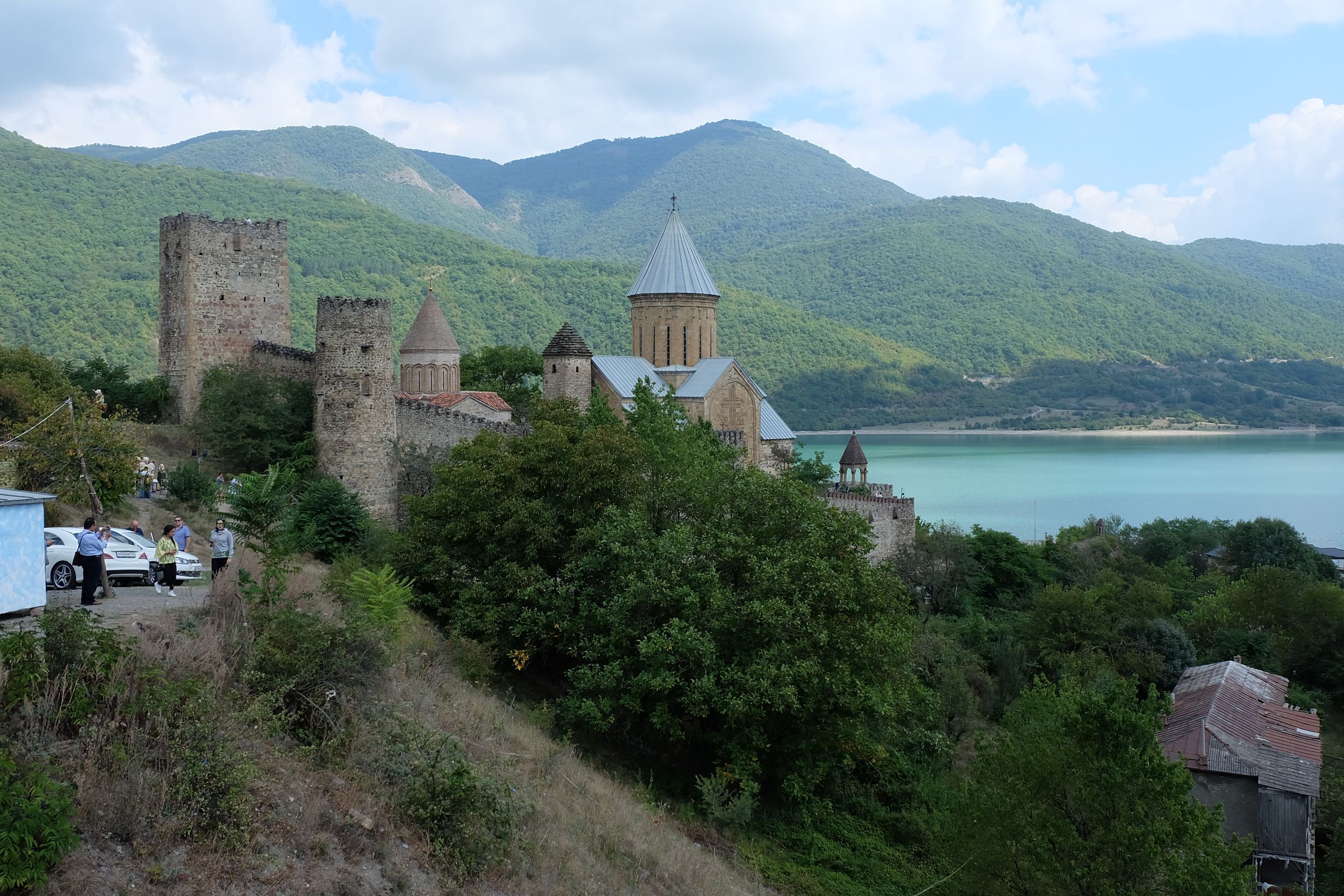
Where rivers merge and stone defiance endures
Where shepherds once guarded the mountain passes
Stone poetry frozen in fortress walls
Where the Caucasus unfolds in silence
Where empires marched and mountains surrender
Where the road meets the sky
Stone sanctuary where monks still guard the gorge
Soviet grandeur frozen in mountain air
Where dumplings meet mountain trails
Where fortress walls meet drowned valleys
Silent towers guarding the Khada Gorge
Curated, not crowded. Our editors’ orders of merit — updated with the seasons.
Gudauri — arrivals, markets and the best spread of places to sleep.
Every wonder below is pinned on the national atlas with live availability beside it.
Every booking removes one tonne of CO₂ — folded in, never added at the end.
Gudauri sits on the E117, the Georgian Military Highway, roughly 120 kilometres and two hours north of Tbilisi by private transfer or marshrutka from Didube station. The road is paved throughout but climbs to nearly 2,400 metres at Jvari Pass, and sections close intermittently for snow clearance or avalanche control between November and April, so check road conditions before travelling in winter. Ski season runs December through March, with lift and heli-ski operations weather-dependent even within that window. Summer hiking and the Dusheti Highlands trailheads are realistically open June through September only; side roads to Roshka, Korsha and the Khada Gorge need a high-clearance 4WD regardless of season. Altitude matters here even in summer: weather can turn from warm sunshine to cold wind and cloud within the hour, so bring layers whatever the forecast says on departure.
No. Winter is when the resort itself operates, but the drive up the Georgian Military Highway, the Ananuri and Zhinvali stop, and the viewpoints around the pass are worthwhile May through October as well, and the Dusheti Highlands only really open up for hiking once the snow clears.
About 120 kilometres, roughly two hours by car on the paved E117 highway. Marshrutka vans run from Tbilisi's Didube station, and private transfers and organised day tours are widely available, particularly in ski season.
Sections of the highway, particularly around Jvari Pass, close intermittently for snow clearance or avalanche control between November and April. Closures are usually temporary and cleared within hours, but it is worth checking conditions before setting out on a heavy snow day.
Yes, for sightseeing. A day trip comfortably covers Ananuri, a lunch stop in Pasanauri, and the Gudauri viewpoints and Friendship Monument before returning to Tbilisi by evening. Skiing or heli-skiing needs at least an overnight stay to make the transfer time worthwhile.
Yes, several operators run heli-ski trips into the Kudebi off-piste zone and surrounding bowls in winter, weather permitting. It is arranged locally through resort-based operators rather than booked far in advance, since flights depend on daily snow and visibility conditions.
High passes, wine roads, and the slow coast — open the national atlas and plot a generous route.
See Gudauri on the atlas →Late spring and September–October bring harvest light, open high roads, and terrace weather. Winter is for ski villages and sulphur baths; high summer belongs to the Black Sea. Shoulder months reward the unhurried.
Many travellers enter visa-free for a generous stay. Always confirm current entry rules for your passport before you book — then spend the saved hour on a long lunch.
Marshrutka minibuses, comfortable coaches, a handful of trains, and hired drivers cover most ground. Mountain roads ask for daylight and patience. Build slack into every itinerary.
Every booking removes 1 tonne of CO2 — no surcharge. It is included, not optional, and never an excuse to travel carelessly. Stay longer; spend locally; tread lightly on alpine meadows.
In cities and guesthouses, yes — and a few words of Georgian open every door. Look for the script; it is part of the landscape. Menus often arrive in three languages, like this site.
25 August 2026 · reviewed quarterly