Why go
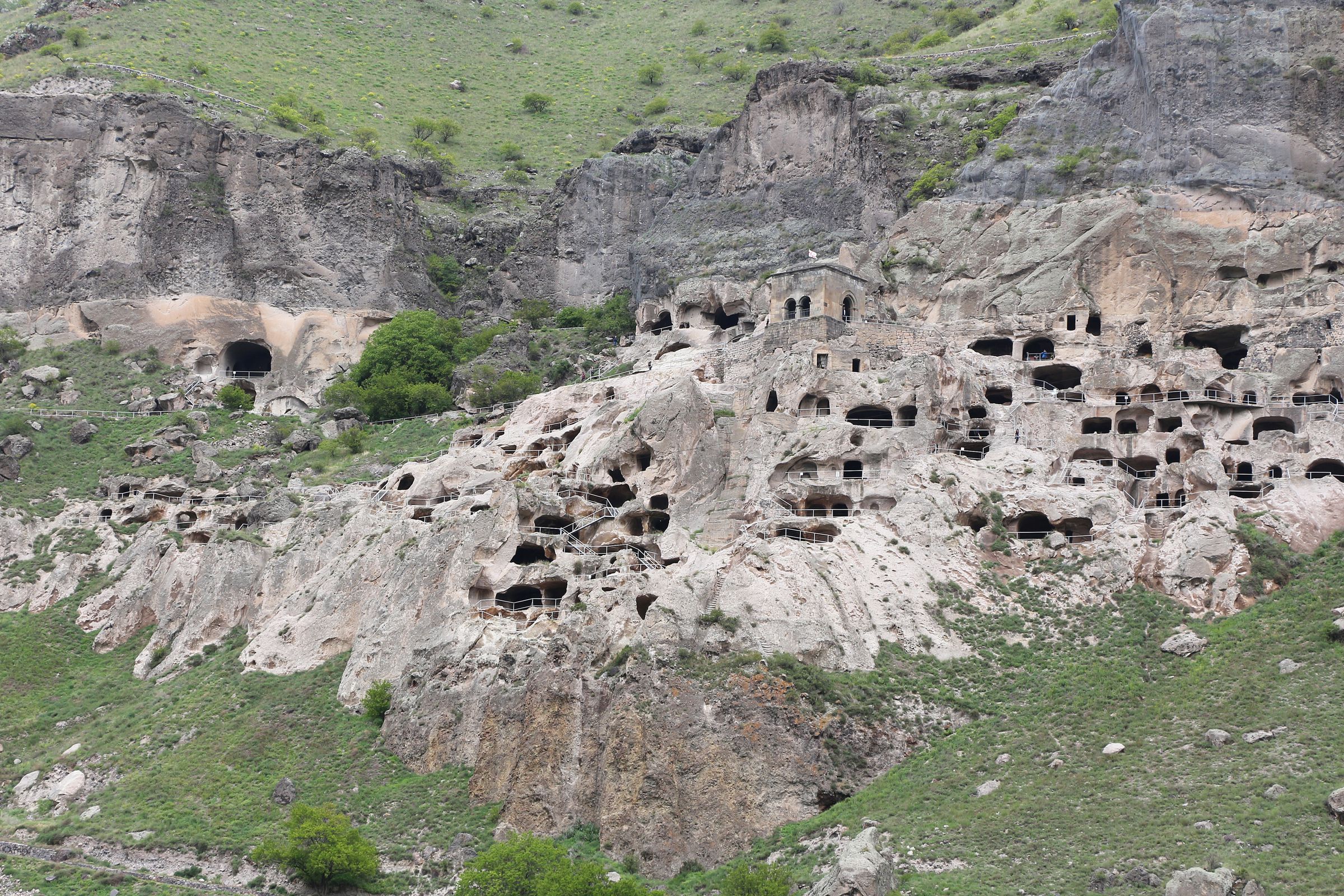
Ninotsminda Cathedral stands as one of Georgia's oldest surviving churches, a 6th-7th century three-aisle basilica built when the region was still absorbing the shock of Byzantine-Persian rivalry. Its name honors Saint Nino, the 4th-century evangelist who brought Christianity to Iberia, yet the structure itself speaks to a later era of consolidation—thick limestone walls, a timber roof, and the ghost of a now-vanished dome. The cathedral weathered Seljuk destruction, Timurid raids, and 19th-century Russian restoration that replaced its dome with a barrel vault. What remains is austere and profound: early medieval masonry largely intact, with fragments of 11th-12th century frescoes still clinging to the apse. The site matters because it captures Georgian Christianity at its most elemental—before the golden age of cross-domed architecture, when faith was expressed through sheer mass and endurance. The border location adds a final layer: you stand where Caucasia meets Anatolia, in a region that has always been contested, always strategic, always somehow persisting.