Why go
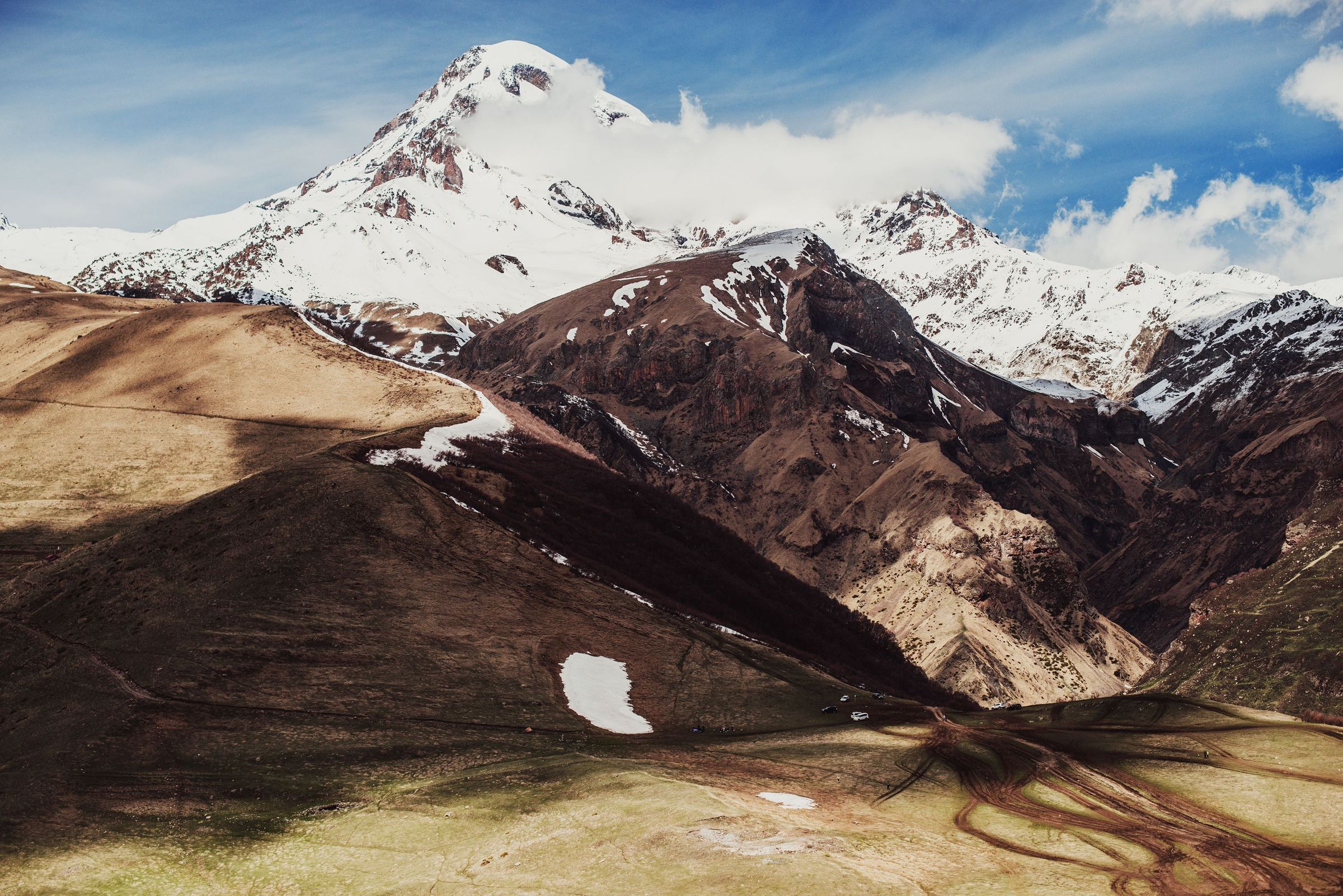
Juta is the last inhabited settlement before the wild frontier of Khevsureti dissolves into alpine wilderness. This cluster of stone houses has served shepherds and traders for centuries along ancient transhumance routes, its defensive towers once protecting families from raiders and blood feuds. Today it exists in deliberate suspension—no paved road reaches the village, electricity arrived only recently, and the population barely breaks fifty. What draws travelers is the Chaukhi massif, seven serrated granite peaks locals call the 'Georgian Dolomites,' rising directly from the valley floor. Juta offers something increasingly rare: a genuine mountain refuge where hospitality is not performed but practiced, and where the trailhead to one of the Caucasus's most dramatic day-hikes begins at your guesthouse door.