Why go
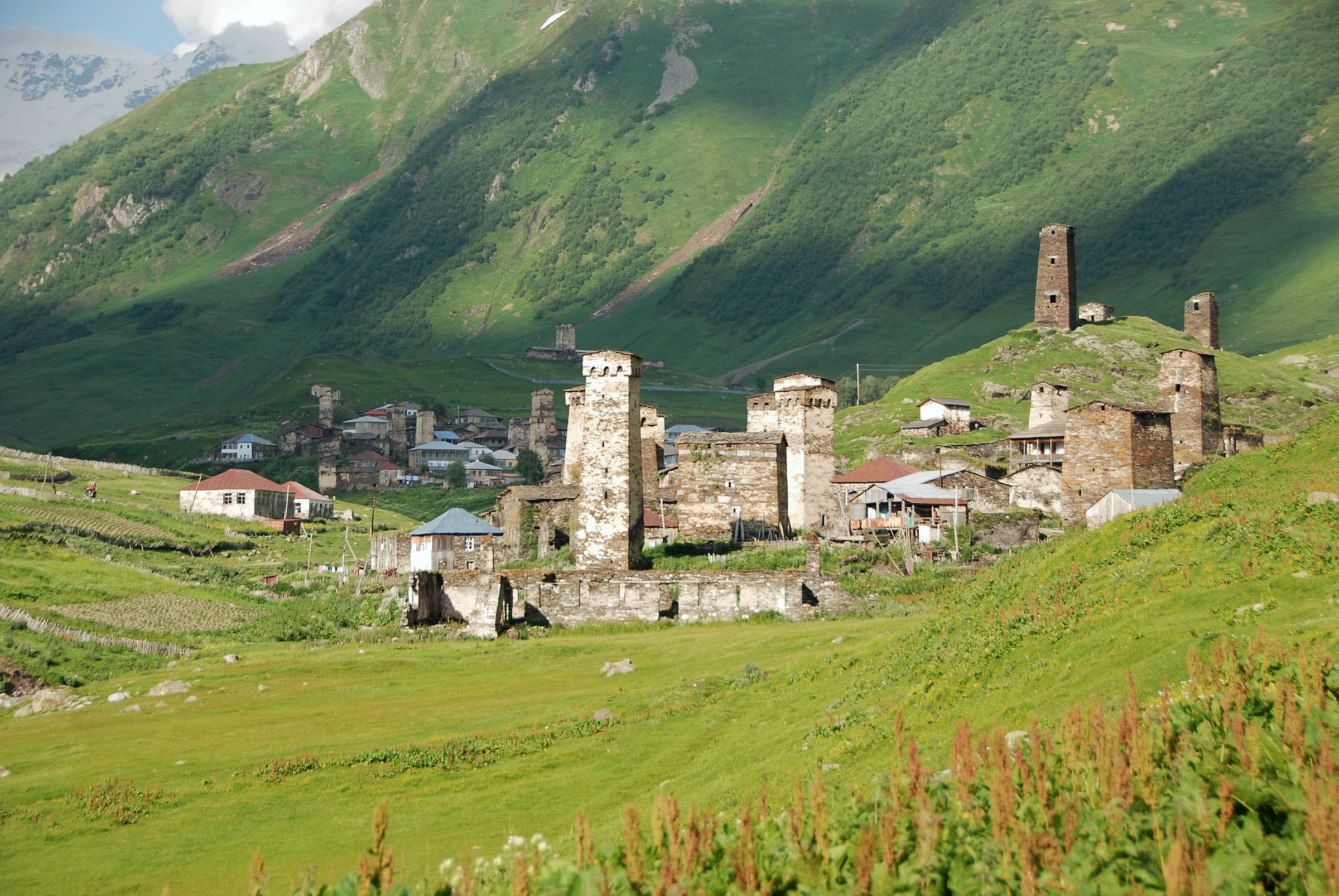
Kala sits at 1,400 meters along the unpaved spine connecting Mestia to Ushguli, a village of perhaps two dozen households whose wooden balconies face the jagged glaciers of the Greater Caucasus. Its true soul rises above: Lagurka, a 12th-century stone church perched on a steep hill, holds one of Svaneti's most sacred treasures—the Kvirikoba icon of St. George, credited with healing powers and carried into battle by Svan clans for centuries. Each July 28, thousands make the arduous pilgrimage for Kvirikoba, when the icon is brought outside, rituals blend pagan and Christian roots, and the valley fills with polyphonic song and communal supra feasting. The rest of the year, Kala returns to profound silence, its church locked but its presence unmistakable—one of those places where Georgia's mountain spirituality feels physically present in the wind and stone.