Tbilisi Old Town

Where centuries layer like balcony shadows

Tbilisi Old Town

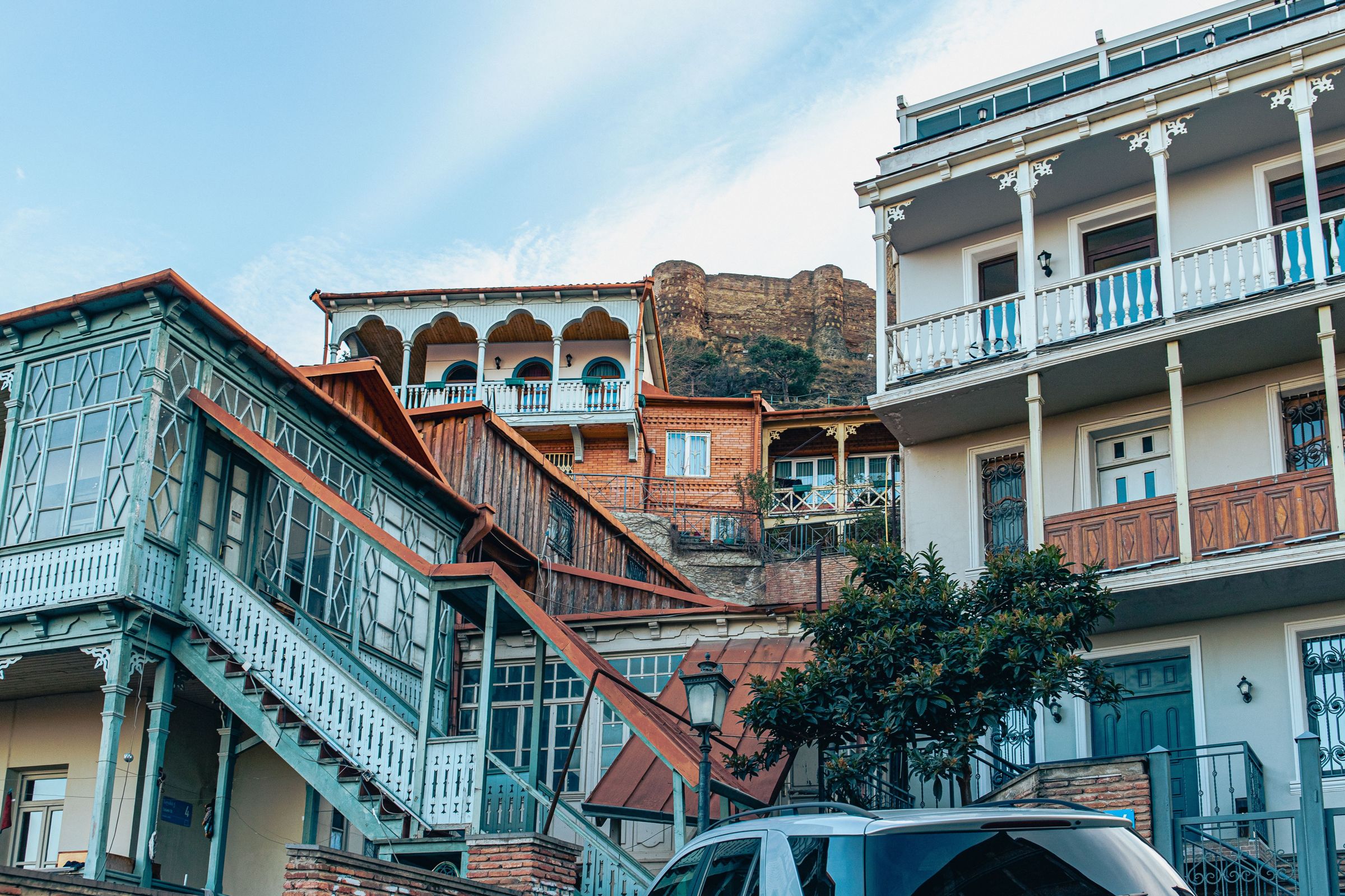
Tbilisi Old Town is the living heart of a city founded in the 5th century, its narrow alleys following the riverbend where King Vakhtang Gorgasali's falcon supposedly fell upon a hot spring—giving Tbilisi its name from the Georgian word for 'warm.' The district survived Persian, Arab, Mongol, Russian and Soviet rule, each leaving architectural fingerprints: carved wooden balconies from the 19th century hang above Byzantine churches and hidden courtyard houses. This is not museumified heritage; families still inhabit these structures, laundry dries between carved pillars, and the sulfur baths beneath Abanotubani have drawn travelers since Marco Polo. The Old Town rewards wandering without itinerary.

On the ground See

  • Abanotubani sulfur bathhouses — the brick-domed public baths fed by natural hot springs, with private rooms available for soaking in sulfurous water between 38-42°C
  • Narikala Fortress — the 4th-century citadel overlooking the Old Town, reachable by cable car or steep footpath, with walls expanded by Arabs and Mongols
  • Anchiskhati Basilica — Tbilisi's oldest surviving church (6th-7th century), built by the son of King Dachi, with original stone construction and ancient frescoes

Practical Know before you go

Best visited April-June or September-October; the steep cobblestone streets become slippery and exhausting in summer heat or winter ice, and many small churches close for services without posted hours.

Last reviewed 25 August 2026 · reviewed quarterly