Why go
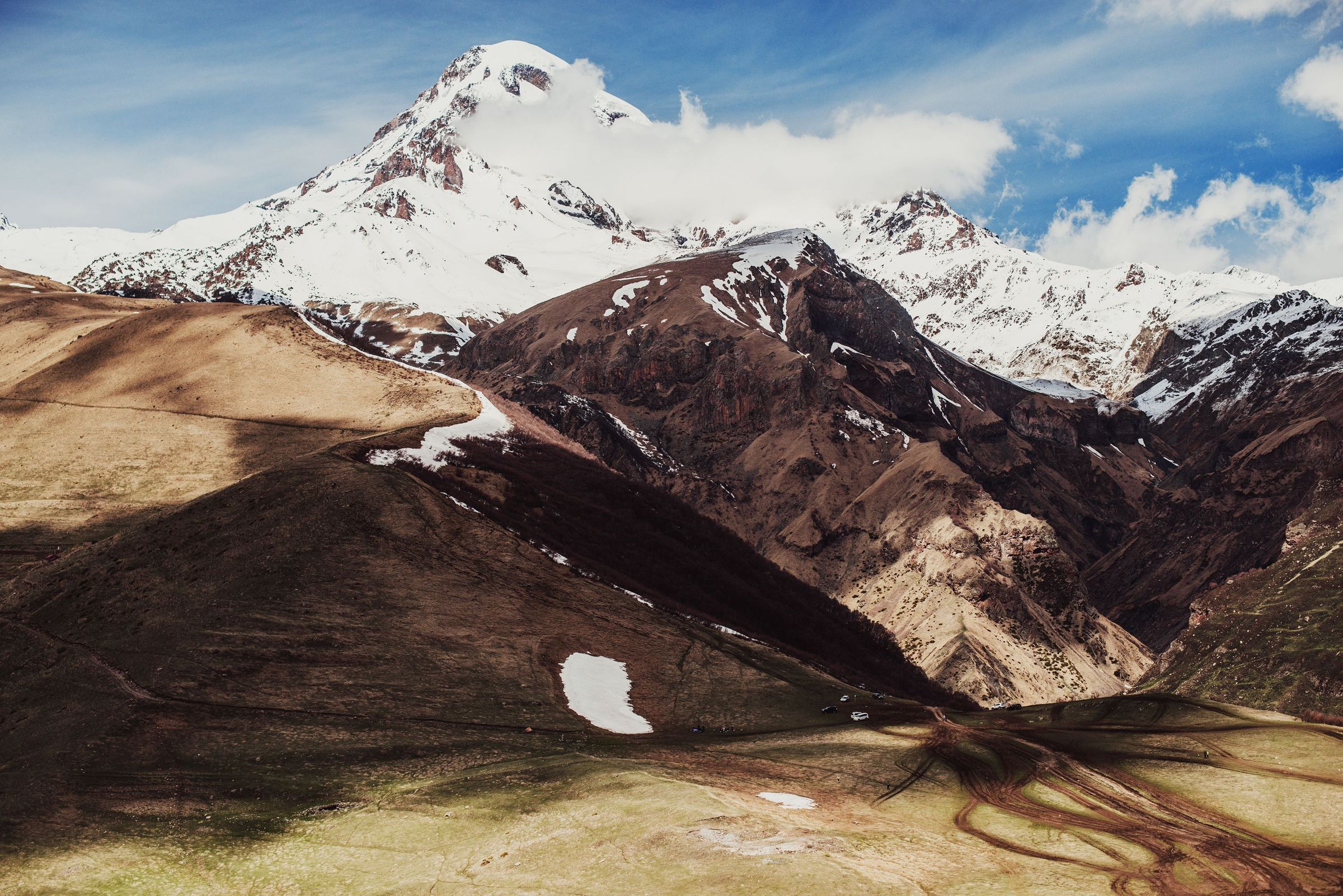
This ancient shepherd and trade route stitches together two of Georgia's most mythic regions—Pshavi and Khevsureti—across the jagged spine of the Greater Caucasus. For centuries, Khevsur warriors and Pshav shepherds moved livestock and news through these passes, their villages (Shatili, Mutso, Kistani) functioning as autonomous highland republics until the 20th century. The trail delivers what modern Georgia rarely can: genuine isolation. You ford glacial rivers, sleep in stone towers that once held off invaders, and cross 3,000-meter passes where the only traffic is wild horses and the echo of your own breath. The Khevsurs were legendary for their medieval armor, their blood feuds, and their preservation of pre-Christian traditions—this path was their lifeline. Today it offers perhaps the purest trekking in the Caucasus: no marked routes, no permits, just the same granite and grass that sustained them.