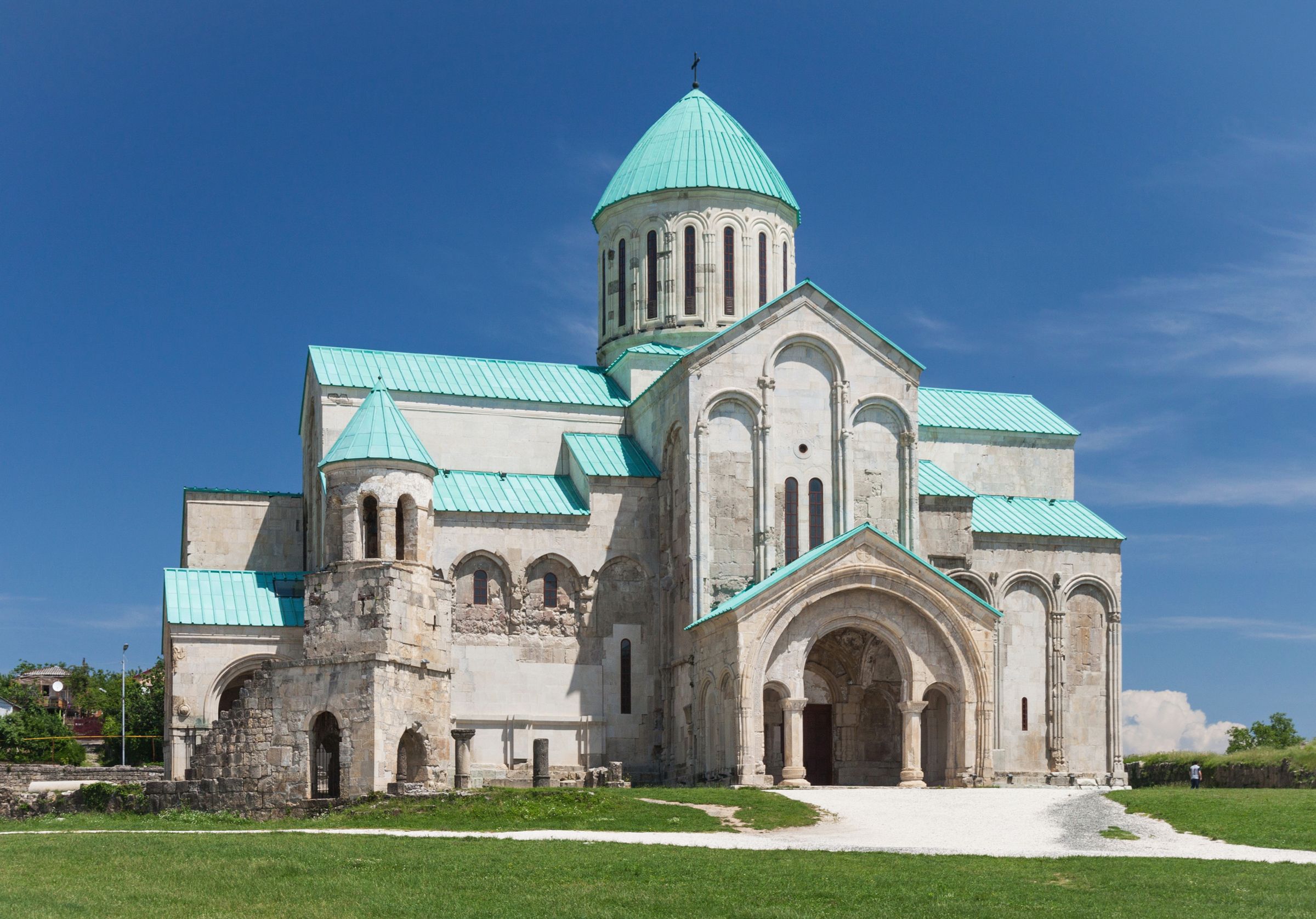
Bagrati Cathedral
Crowning glory of medieval Georgia

A country of vineyards, watchtowers and high Caucasus light — told slowly, booked with care.
Imereti is western Georgia's karst heartland, built around the ancient city of Kutaisi and reachable in minutes from its international airport, which makes the region one of the easiest to fold into a Georgia itinerary rather than a detour from it. Two full days cover the essentials — a medieval-history day around Gelati, Bagrati, and Motsameta, and a nature day split between a cave and a canyon — with Katskhi Pillar and the Tskaltubo sanatoriums worth a third if time allows.
Imereti compresses an unusual range into a small area — a medieval academy, a martyrs' gorge, dinosaur footprints, a cliffside walkway, and a monk's tower — all within about an hour of one airport, which is why it rewards travellers who treat it as a base rather than a single detour.
The atlas holds 65 documented wonders here — archaeological site, bridge, canyon, cave, church, fortress, lake, monastery. Base yourself in Kutaisi and radiate outwards; nothing below is more than a day away.
Begin with these — then wander. Each card is a doorway, not a checklist.
Crowning glory of medieval Georgia
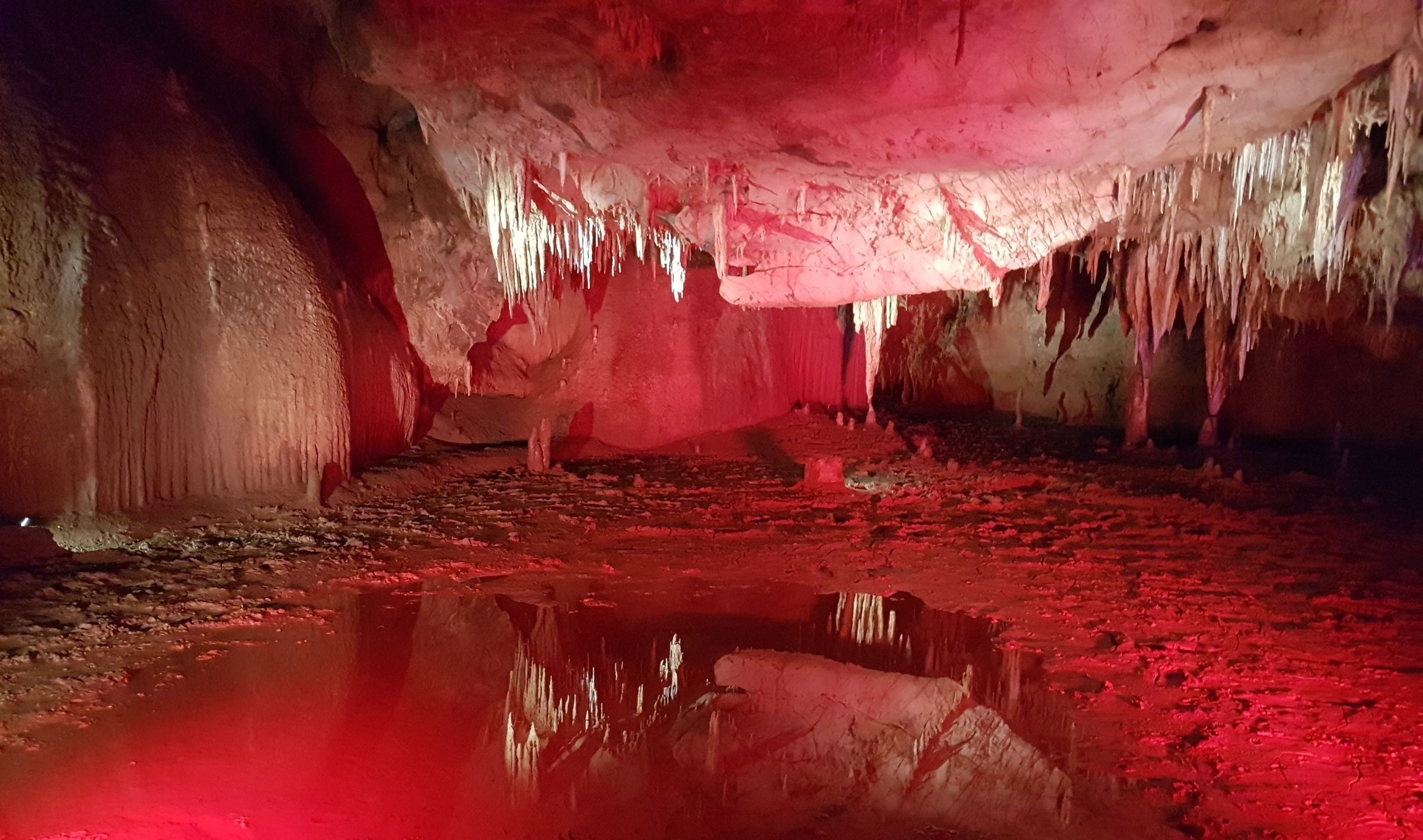
Where myth meets living stone
Where golden mosaics illuminated medieval minds
Where monastic walls still guard sacred knowledge
Where dinosaurs once walked above hidden caves
Stalin's spa town, frozen in time
Where Colchis gold still gleams
Where saints were martyred in green silence
Where kings were crowned and rivers still sing
Suspended ambition above Rioni gorge
Where Imereti's soul is weighed by the kilo
Where golden mosaics crown a king's vision
Curated, not crowded. Our editors’ orders of merit — updated with the seasons.
Kutaisi — arrivals, markets and the best spread of places to sleep.
Every wonder below is pinned on the national atlas with live availability beside it.
Every booking removes one tonne of CO₂ — folded in, never added at the end.
Kutaisi International Airport (KUT) is Georgia's main low-cost carrier hub, which makes Imereti one of the easiest regions to build an itinerary around rather than detour into — many travellers now start or end their Georgia trip here rather than in Tbilisi. Most sites on this list sit within 45 minutes of the city and are reachable by marshrutka (minibus) from Kutaisi's central market or by taxi, though a rental car or driver saves time across a multi-site day. April to June and September to October offer the most reliable weather for the canyons and cave walkways, which can close in heavy rain, ice, or high wind; Prometheus Cave holds a steady 14°C year-round regardless of season. Entry to churches and monasteries is generally free or donation-based, while caves, canyons, and Tskaltubo's operating bathhouses charge modest fees best paid in cash.
Two days covers the essentials well: one for Gelati, Bagrati, and Motsameta together, and one split between a cave and a canyon. A third day allows Katskhi Pillar, Tskaltubo, or the wine route without rushing.
Yes. Every site on this list sits within roughly an hour of Kutaisi, and the city's international airport makes it a practical start or end point for a wider Georgia itinerary, not just a day-trip base.
It's possible with a car or organised tour, since both lie roughly 40 kilometres from Kutaisi in a similar direction, but the canyon walkway alone takes a couple of hours round trip, so pairing them makes for a full day rather than a relaxed one.
No. The pillar's summit, where the church and monk's cell sit, is closed to visitors and reserved for the resident monk. Visitors see it from the base and the restored lower monastery.
Prometheus is the larger, more theatrical cave with an underground boat ride and no time pressure from other attractions on site. Sataplia is smaller but combines its cave with dinosaur footprints and a forest viewing platform, making it the better choice for families or a shorter visit.
High passes, wine roads, and the slow coast — open the national atlas and plot a generous route.
See Imereti (Kutaisi) on the atlas →Late spring and September–October bring harvest light, open high roads, and terrace weather. Winter is for ski villages and sulphur baths; high summer belongs to the Black Sea. Shoulder months reward the unhurried.
Many travellers enter visa-free for a generous stay. Always confirm current entry rules for your passport before you book — then spend the saved hour on a long lunch.
Marshrutka minibuses, comfortable coaches, a handful of trains, and hired drivers cover most ground. Mountain roads ask for daylight and patience. Build slack into every itinerary.
Every booking removes 1 tonne of CO2 — no surcharge. It is included, not optional, and never an excuse to travel carelessly. Stay longer; spend locally; tread lightly on alpine meadows.
In cities and guesthouses, yes — and a few words of Georgian open every door. Look for the script; it is part of the landscape. Menus often arrive in three languages, like this site.
25 August 2026 · reviewed quarterly