Why go
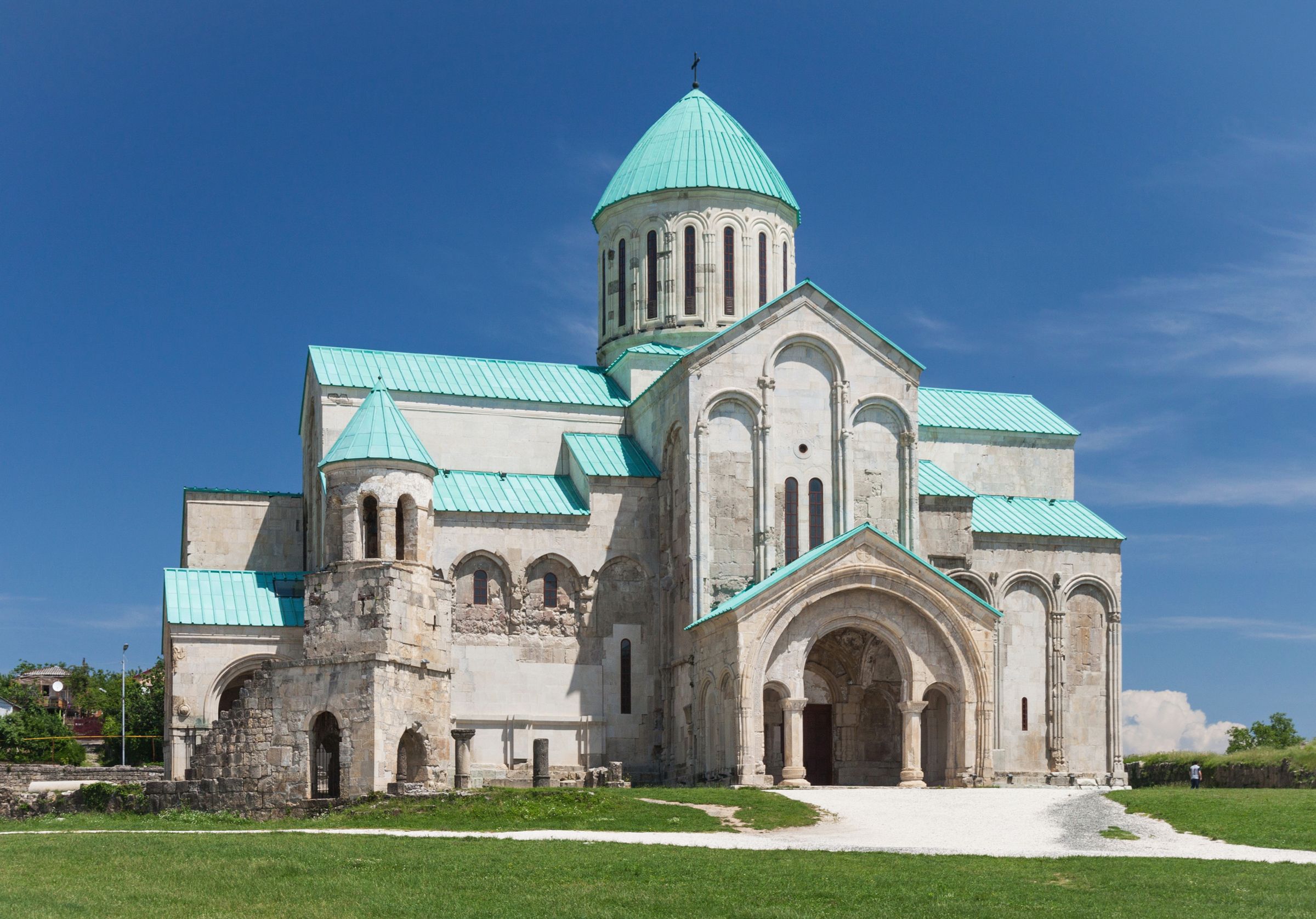
This 18th-century triple-arch stone bridge carries the weight of Georgian history in its mortar. Built under King Solomon I of Imereti, it anchored the vital east-west trade route through Kutaisi, the ancient capital. Mukhuri Bridge survived Ottoman incursions, Russian annexation, and Soviet industrialization—its limestone arches still bearing cartwheel grooves from centuries of traffic. Stand mid-span at dawn: mist rises off the Rioni, egrets lift from reed banks, and the Caucasus foothills frame a scene unchanged since Persian caravans crossed here. It is not merely photogenic; it is a palimpsest of Georgian resilience, where every stone remembers sovereignty.