Best Beaches in Georgia

Best of Georgia · Across the country

The Best Beaches in Georgia

How to read this ranking

Ordered for how you travel, not for spectacle.

Each place below is scored for character, welcome, access across seasons, and the feeling it leaves — never for inventory. Use the traveller-type notes when two names pull equally.

The quick answer

Georgia's beach coast runs along a short but varied stretch of the Black Sea in Adjara, Guria and Samegrelo, from lively Batumi in the south to the quieter sands near the Abkhazian boundary in the north. Most beaches are pebble rather than sand, the water warms up enough to swim from June to September, and the biggest choice to make is between Batumi's promenade energy and the pine-backed calm of the smaller resort villages either side of it.

Top picks

  • Best Overall: Batumi
  • Best for Snorkelling & Clear Water: Kvariati
  • Best for a Genuinely Different Beach: Ureki
  1. Batumi

    Best Overall

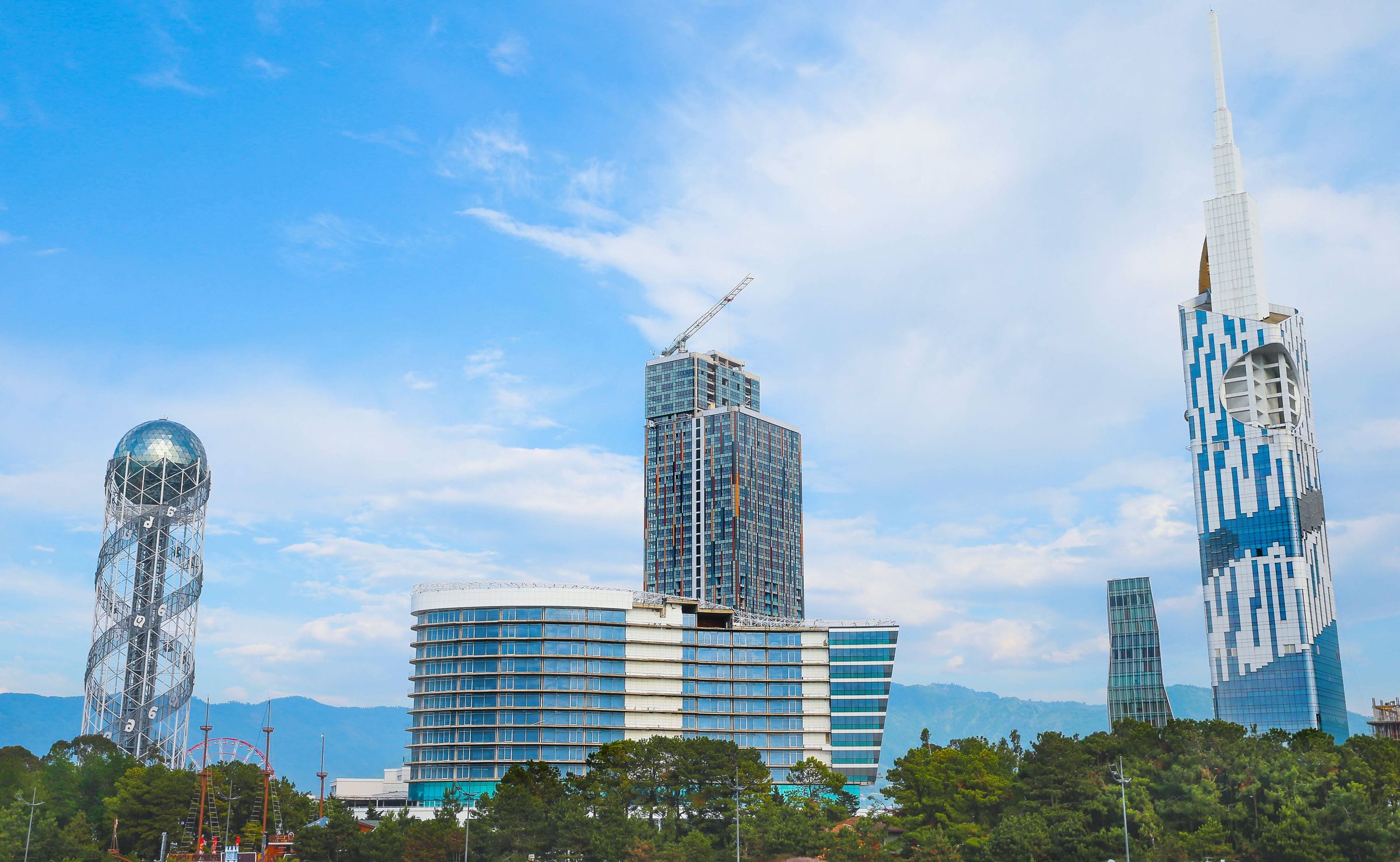
    Batumi is where most people's Georgian beach trip starts and, for many, where it stays. The city's pebble beach runs the length of the seven-kilometre Batumi Boulevard, planted with palms and magnolias since the 1880s and busy every evening with Georgian families out for the sunset walk rather than tourists alone. The swimming itself is unremarkable pebble-and-shingle Black Sea, but nothing else on this list matches the surrounding city: the kinetic Ali and Nino sculpture merging and separating on the hour, the Alphabetic Tower lit up after dark, the Dancing Fountains performing to Georgian polyphony, and a dense strip of cafes and seafood restaurants a few steps from the water. It suits travellers who want a beach day bookended by real urban life, and it works as a base for day trips to every quieter beach further down this list. Water stays swimmable into October, well past the point most of the smaller resorts have gone quiet.

    Adjara

  2. Kvariati

    Best for Snorkelling & Clear Water

    Thirty minutes south of Batumi, Kvariati is where the Lesser Caucasus foothills drop straight into the sea and the water pays you back for it with genuine clarity — eight to ten metres of visibility by June, rare anywhere on this coast. It's a working dive and snorkel spot rather than a postcard one: local outfits run trips from May to October to a rocky shelf where octopus, black sea bream and seahorses hold on among the boulders, and the cove itself is smooth, sea-polished stone rather than sand, so water shoes are worth packing. What sets it apart is the combination of a proper coastal walk — a three-kilometre path south along the shore to the Roman ruins at Gonio — with an unpretentious strip of family-run guesthouses that has stayed small rather than developed into a resort. Go for the water quality and the walk, not for soft sand.

    Adjara

  3. Ureki

    Best for a Genuinely Different Beach

    Ureki is the one beach on this coast that isn't simply another stretch of grey pebble. Its five kilometres of fine black sand contain titanomagnetite, an iron-rich mineral washed down from the Lesser Caucasus over millennia, and the sand has drawn people seeking relief from cardiovascular and nervous-system complaints since Soviet-era sanatoriums first built around it in the 1920s. The therapeutic tradition is still visible and still practised: locals bury themselves half-submerged in the sun-warmed sand for prescribed stretches, and several of the older spa buildings keep running seasonal treatments alongside the ordinary business of families on holiday. It reads as unpretentious and deeply local rather than manicured, and the soft sand itself — rare on a coast otherwise dominated by shingle — makes it one of the more comfortable places on this list to actually lie down. Base in nearby Kobuleti or Batumi, since Ureki's own accommodation is limited.

    Guria

  4. Kobuleti

    Best for Families

    Kobuleti runs for close to twenty kilometres, the longest beach in the country, and its combination of fine dark sand and a sea that shelves so gradually that children can safely wade fifty metres out makes it the easiest choice on this list for families. A shaded seven-kilometre promenade sits under century-old pines planted in the 1930s to stabilise the dunes, and the town's Soviet-era health-resort heritage means there's still a network of low-key sanatoriums and guesthouses rather than high-rise hotels crowding the shore. It moves at a noticeably slower pace than Batumi, thirty minutes north by marshrutka or train, which makes it a workable base for exploring the whole Adjara coast while sleeping somewhere calmer. The Kintrishi Nature Reserve sits at the edge of town for anyone who wants to break up beach days with wetland walking.

    Adjara

  5. Sarpi

    Best for Dramatic Scenery

    Sarpi sits at Georgia's southernmost point, where forested ridges of the Lesser Caucasus plunge to the waterline within metres of the pebble shore — the closest this coast comes to mountains genuinely meeting the sea. It's a border village first and a beach second: the modern Sarpi–Kemalpasa crossing to Turkey, designed by architect J. Mayer H., sits a short walk from a Soviet-era watchtower, and the coastal highway south runs through tunnels blasted from rock to reach it, one of the more dramatic short drives in the country. The beach itself draws Batumi residents specifically to escape Batumi's crowds, and the water here feels wilder and less managed than the resort towns further north. Worth the half-hour trip for the drive and the setting as much as for the swimming.

    Adjara

  6. Shekvetili

    Best for Pine-Shaded Quiet

    Shekvetili's beach sits behind a dense pine forest that keeps the air noticeably cooler than the open coast even in August, with tree roots exposed in the sandy banks right down to the tideline. Despite the open-air amphitheatre nearby — built to host the annual Black Sea Jazz Festival and other summer concerts — the beach itself stays surprisingly uncrowded, a rare pairing of programmed entertainment and genuine quiet within a short walk of each other. Gurian families have summered here for generations, and the pace shows it: no promenade, no high-rises, just pine shade and tide pools best walked at dawn. It works well as a day trip from Kobuleti for anyone who wants a forest-backed alternative to that town's busier main strip.

    Guria

  7. Grigoleti

    Best for Solitude

    Grigoleti is the most understated beach on this list — no promenade, no resort infrastructure, just a broad sandy shelf meeting the protected alder-hornbeam forest of the Grigoleti Managed Reserve. It's one of the few points on the Georgian coast where sand rather than pebble meets the water, and the shelf itself slopes gently enough for easy swimming, unusual for a coastline that's mostly steep and stony. The village never grew into the concrete resorts that swallowed Batumi and Kobuleti, so what remains is largely solitude: kingfishers and sea eagles working the treeline, alder and chestnut rustling against slow waves, and a coastal path north to Shekvetili through alternating forest and open shore. Best reached by car via the turnoff from the E70 highway at Ureki, fifteen kilometres north of Poti.

    Guria

  8. Anaklia

    Best for New Infrastructure

    Anaklia is the newest entry on this coast, developed since 2014 on the site of a 19th-century trading settlement where the Enguri River meets the sea and forms the boundary with Abkhazia. Where the Soviet-era resorts to the south carry decades of faded sanatorium architecture, Anaklia offers clean modern infrastructure instead: a proper pedestrian promenade, a long sandy beach, and the Dancing Fountains on the riverbank, three hundred jets synchronised to music and light most evenings in season. It sits further from Batumi than anywhere else on this list, closer to Zugdidi, which makes it a natural stop for anyone approaching the coast from Svaneti or Samegrelo rather than from the south. The Kolkheti National Park wetlands are reachable by boat from town for birdwatching between beach sessions.

    Samegrelo

Best for every traveller

  • Families with young children: Kobuleti — The longest beach on the coast with the gentlest, most gradually shelving water, plus a shaded pine promenade for the rest of the family when the sun gets too much.
  • Divers and snorkellers: Kvariati — The clearest water on this coast and an established network of local dive operators running trips from May through October.
  • Travellers who want something other than another pebble beach: Ureki — The only magnetic black-sand beach in the country, with a genuine wellness tradition rather than a marketing one behind it.
  • City-and-beach combination trips: Batumi — The only beach on this list that comes with a full city's worth of restaurants, nightlife and sights within walking distance of the water.
  • Travellers seeking quiet over amenities: Grigoleti — No promenade, no resort towers, just sand, forest and a shelf gentle enough for easy swimming without the crowds of Batumi or Kobuleti.

How to choose

Start with what you actually want from the water: Batumi and Kobuleti give you the easiest access and the most amenities, Kvariati and Sarpi give you clearer water and better scenery at the cost of pebble rather than sand, and Ureki gives you something no other Georgian beach offers at all. Distance from Batumi matters more than it looks on a map, since most of this coast has to be reached by marshrutka or taxi rather than a direct train — Kvariati and Sarpi are a short hop south, Kobuleti, Ureki, Shekvetili and Grigoleti are strung out to the north, and Anaklia sits far enough away that it's better paired with a Samegrelo or Svaneti itinerary than a Batumi day trip. If you're short on time, base in Batumi and take day trips; if you want a slower week by the sea, Kobuleti or Kvariati make better bases than Batumi itself.

Methodology — how we ranked

We ranked Georgia's beaches on the quality of the actual swimming and sand or shingle experience, how distinct each stretch of coast is from the others rather than being interchangeable pebble strips, how easily each is reached from Batumi or another base, the value and crowd levels on offer, and the scenery and cultural weight a place carries beyond simply having water at the edge of it. Beaches that exist only as an afterthought to a Roman fort or a border crossing were included only where the beach itself earns the visit; stretches of coast with no real infrastructure or access were left out.

Know before you go

Practical notes, without the noise

The whole coast runs on a June-to-September swimming season, with Batumi's water staying warm enough into October to extend the trip slightly. Batumi is the hub: it has its own international airport with direct flights from Istanbul, Kyiv and several European cities, plus a scenic direct train from Tbilisi that takes around five hours. Everywhere else on this list is reached from Batumi or Kobuleti by marshrutka, taxi or the coastal train line, typically in fifteen minutes to two hours. Most of the coast is pebble rather than sand, so pack water shoes for Kvariati, Sarpi and Tsikhisdziri-style coves; Kobuleti, Ureki, Shekvetili, Grigoleti and Anaklia are the sandy exceptions. Accommodation is easiest to find in Batumi and Kobuleti; the smaller villages rely on family guesthouses that fill up in July and August, so book ahead for peak season.

Are Georgia's beaches sand or pebble?

Mostly pebble. Batumi, Kvariati, Sarpi and the coves around Tsikhisdziri are shingle or smooth stone, so water shoes help. Ureki, Kobuleti, Shekvetili, Grigoleti and Anaklia are the sandy exceptions, with Ureki's black magnetic sand being the most distinctive of the group.

When is the best time to visit Georgia's Black Sea coast?

June through September is the reliable swimming season across the whole coast, with water in the low-to-mid twenties Celsius by August. Batumi's water stays swimmable into October, later than the smaller resort towns, which tend to quiet down once schools go back in September.

Is Batumi or a smaller town like Kobuleti a better base?

Batumi gives you a full city, an airport, and easy day trips to every other beach on this list. Kobuleti or Kvariati suit travellers who want a calmer, more local pace and don't mind a short marshrutka ride into Batumi for a night out.

Can you swim near the Abkhazian boundary at Anaklia and Ganmukhuri?

Yes, the beaches themselves are open and normally visited, but stick to marked areas and respect any restricted-zone signage near the administrative boundary line, particularly around Ganmukhuri.

Do I need a car to see more than one beach on this coast?

No. Marshrutkas run frequently between Batumi, Kvariati, Sarpi, Kobuleti and the Guria beaches, and a direct train connects Tbilisi to the Ureki and Kobuleti area. A car or taxi is only genuinely useful for reaching Anaklia and Grigoleti conveniently.

We re-check: beach club and sanatorium opening dates and seasonal pricing; dive operator schedules and trip pricing at Kvariati; marshrutka and train timetables along the coast; Dancing Fountains and jazz festival performance schedules; border-crossing hours at Sarpi.
Last reviewed 25 August 2026 · biannual

Every booking removes 1 tonne of CO₂ — no surcharge.