Why go
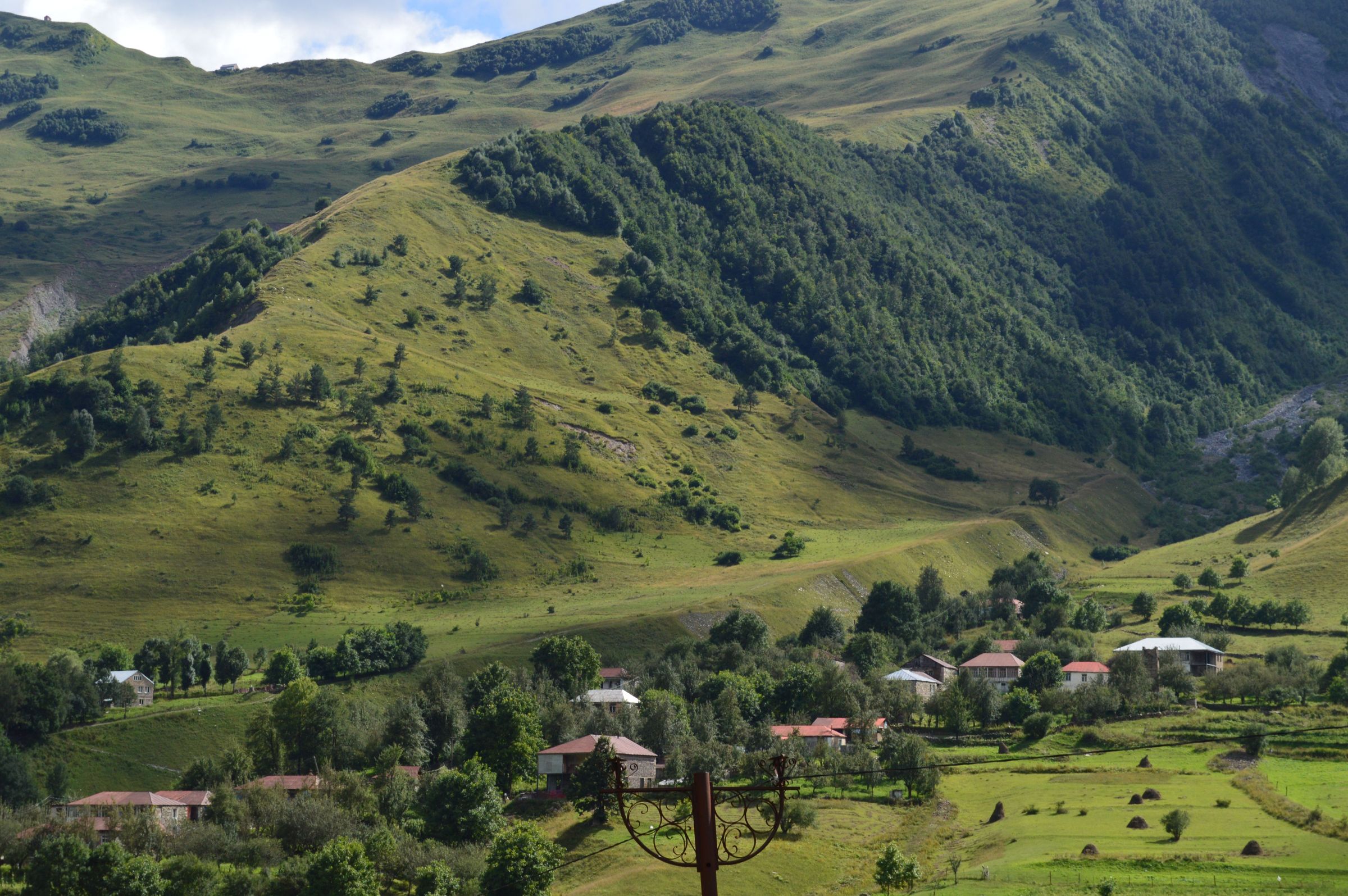
Mestia sits at 1,500 meters in the Enguri River valley, the administrative and cultural heart of Svaneti, a region UNESCO recognized for its exceptional medieval tower-house architecture. The town itself preserves dozens of these iconic stone structures—built between the 9th and 13th centuries by Svan clans for defense and habitation—making it the densest concentration of towers still lived in or maintained. Beyond the architecture, Mestia functions as the essential gateway to the Greater Caucasus: the Hatsvali cable car rises to 2,347 meters for panoramic views of Ushba's twin peaks, while Tetnuldi's developing ski area offers serious alpine terrain. The Svaneti Museum of History and Ethnography, opened in 1936 and reopened in a striking modern building in 2012, houses a remarkable collection of icons, manuscripts, and silverwork rescued from remote villages. Mestia rewards those who value authenticity over polish—the Soviet-era infrastructure, the cows wandering main streets, the polyphonic singing that survives in village churches.