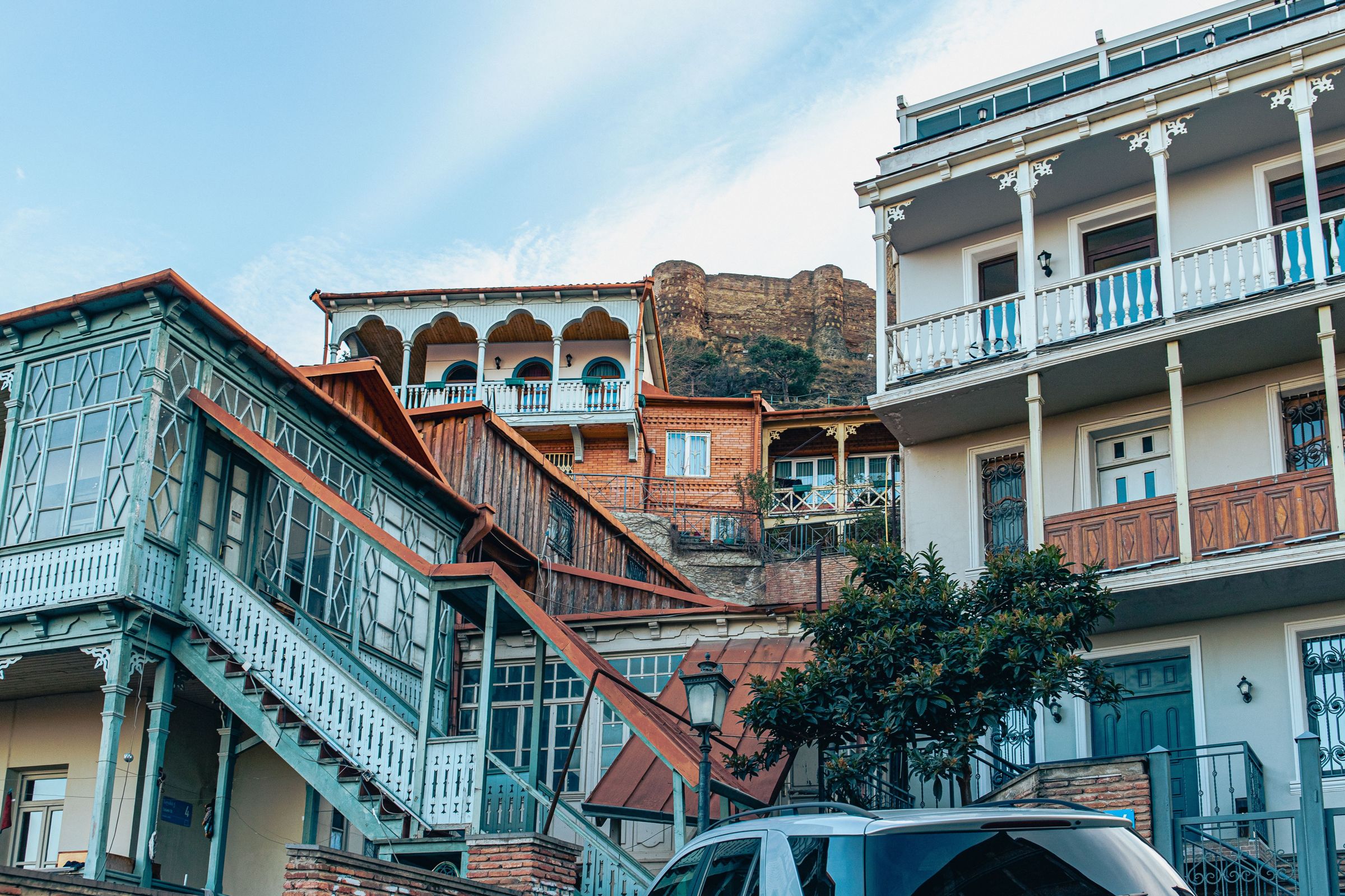
Tbilisi & Mtskheta
Sulphur baths, wooden balconies and two ancient capitals within half an hour of each other — the country’s front door.
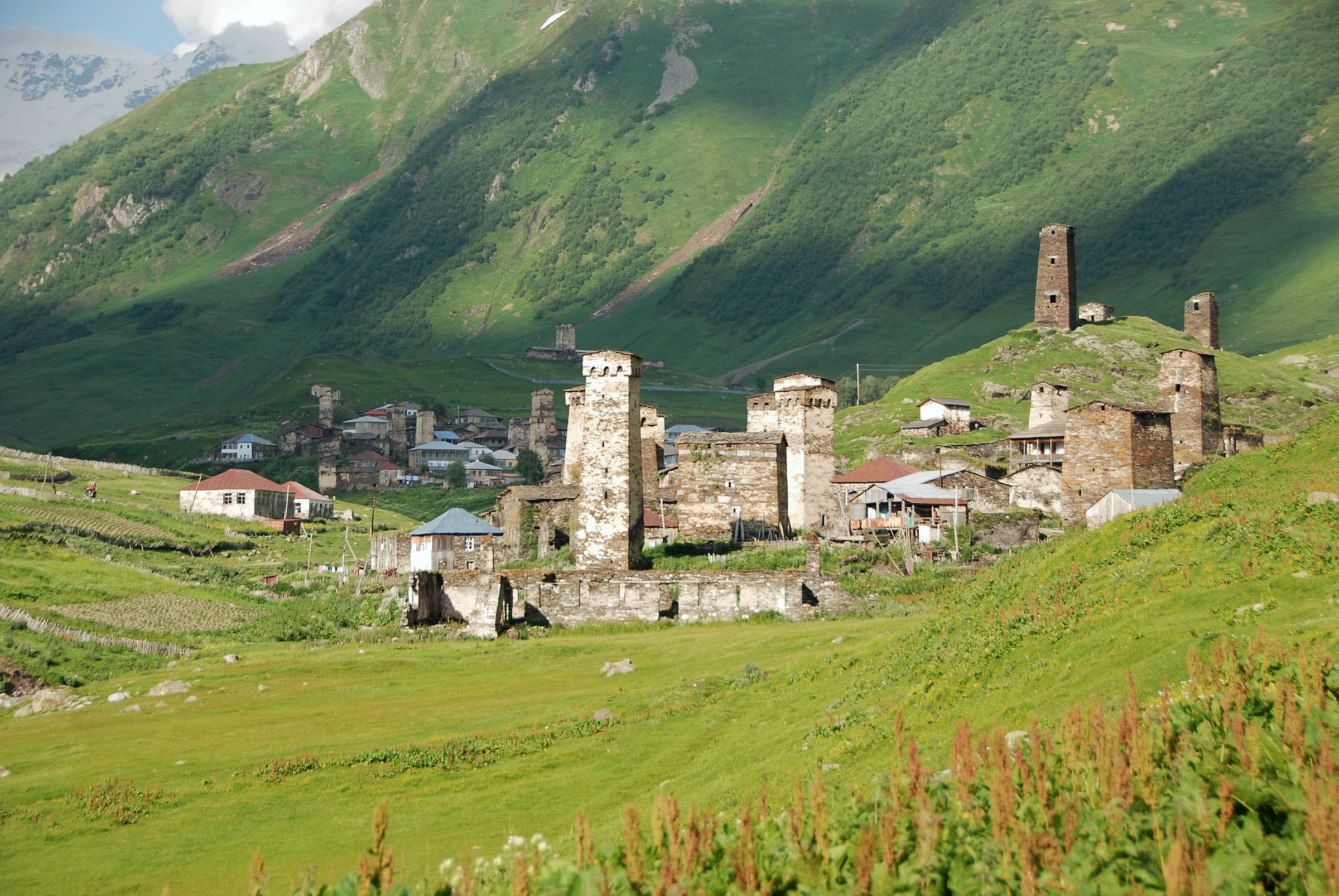
A country of vineyards, watchtowers and high Caucasus light — told slowly, booked with care.
Georgia is small enough to cross in a day and deep enough to spend a life in. Each of these thirteen regions is a world with its own table, weather and architecture — begin anywhere.
Begin with these — then wander. Each card is a doorway, not a checklist.
Sulphur baths, wooden balconies and two ancient capitals within half an hour of each other — the country’s front door.
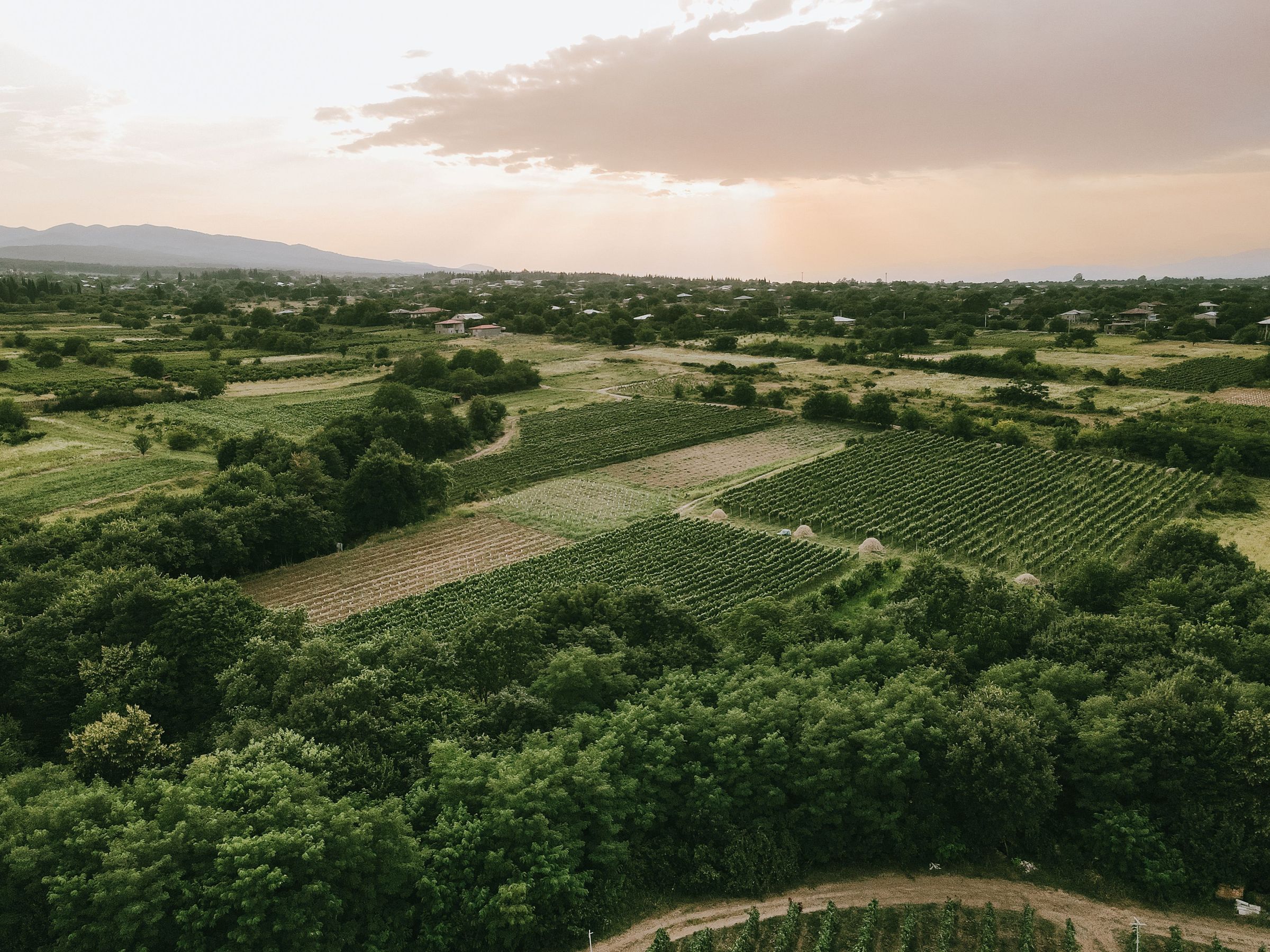
Eight thousand vintages deep: qvevri cellars, monastic valleys and the long gold light of the Alazani.
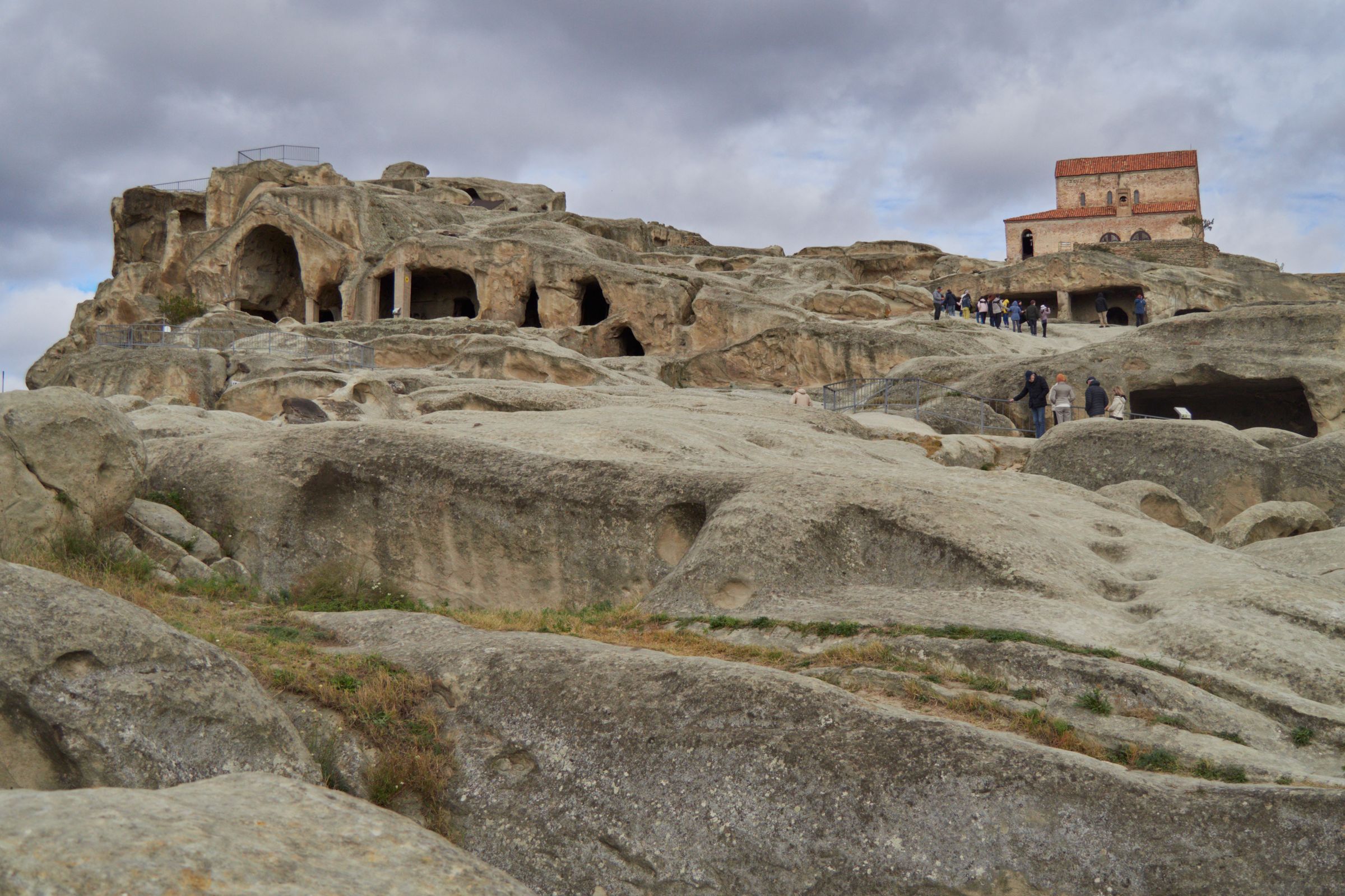
Cave cities, early cathedrals and the oldest human traces in Europe, an easy arc south and west of the capital.
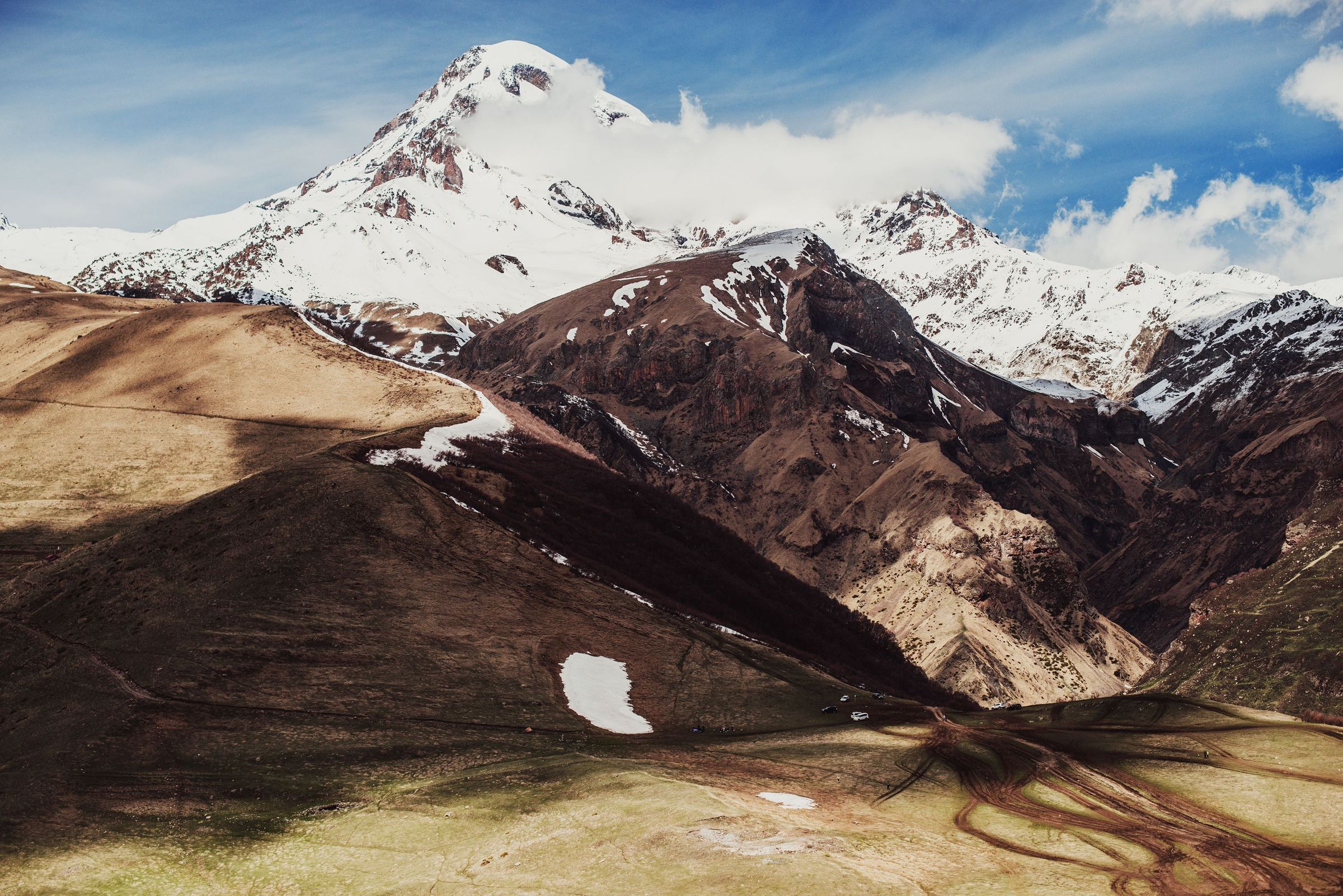
The great road north — watchtowers, high passes and a church on a ridge beneath the ice of Kazbek.
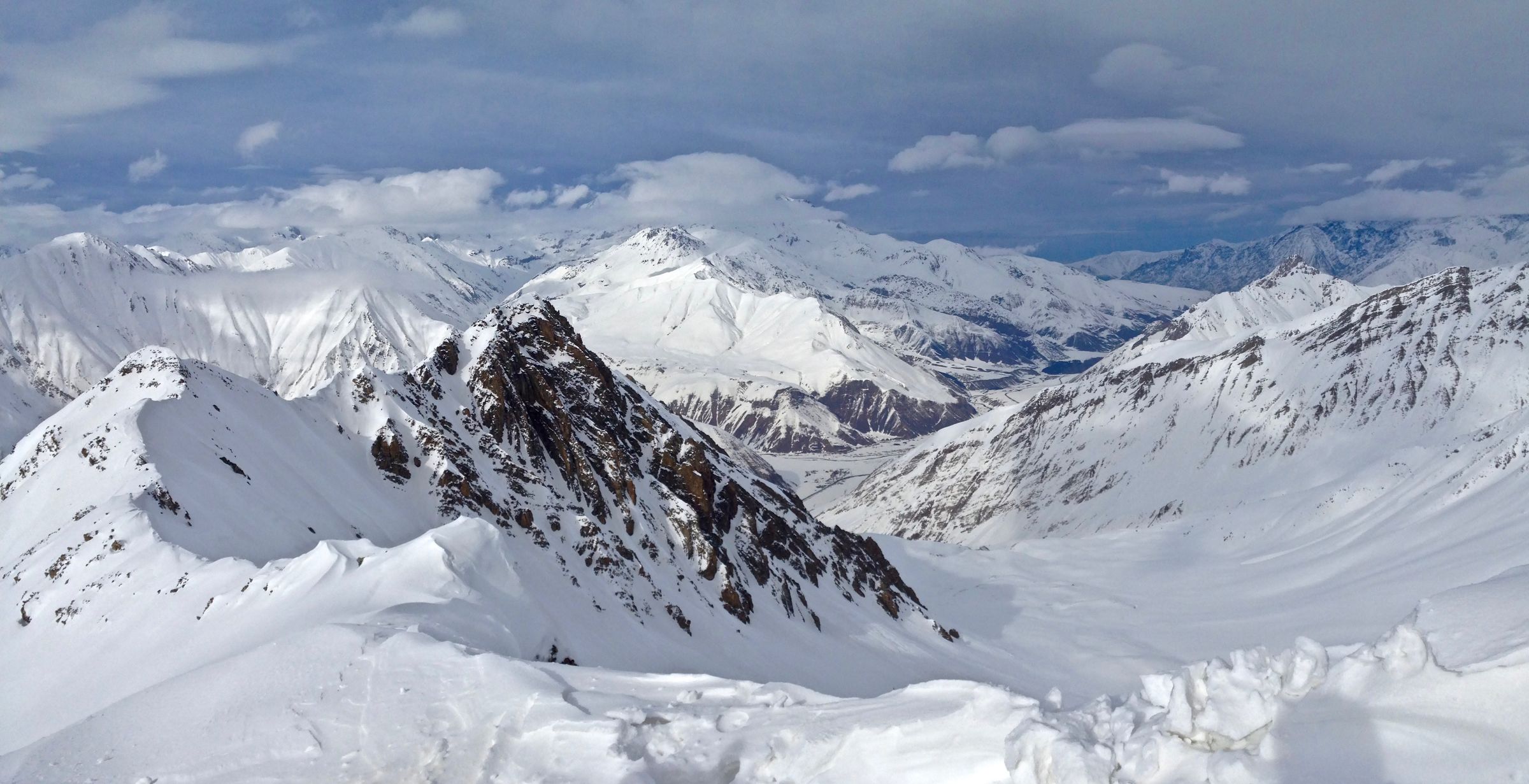
Georgia’s big-mountain resort: wide winter bowls at 2,200 metres and green freeride ridges in summer.
Mediaeval towers under five-thousand-metre walls — Europe’s highest inhabited valleys, fierce and hospitable.

Beyond one of the world’s wildest passes: slate villages, horse trails and a summer-only mountain kingdom.

The quiet Caucasus — alpine lakes, Khvanchkara vines and stone villages that keep their own pace.
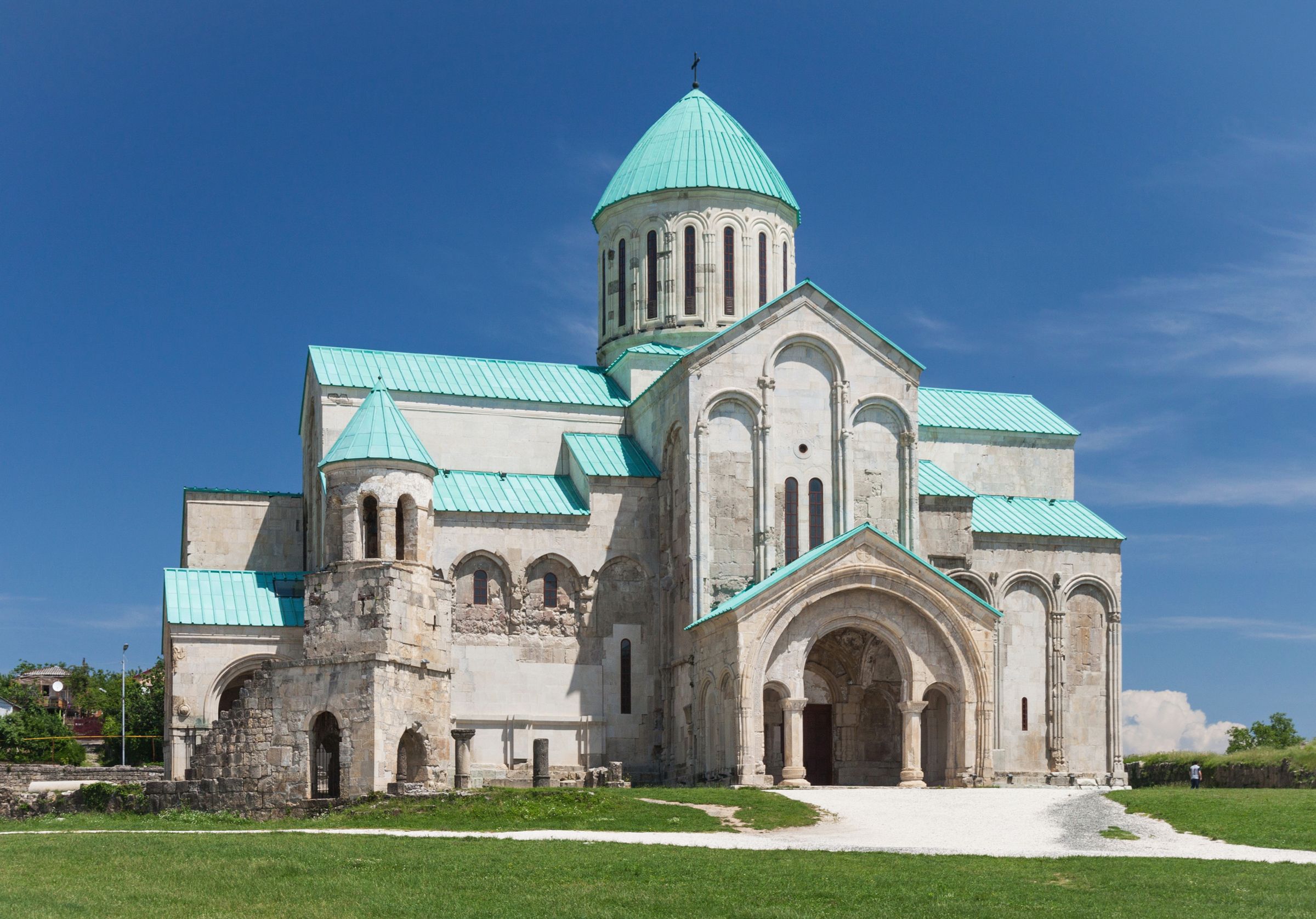
Karst canyons, cave systems and a mediaeval capital — green, generous lowlands around Kutaisi.

Emerald canyons, palace gardens and the moss-deep foothills between the mountains and the sea.
Tea terraces, birdsong and the least-hurried corner of the west — Georgia before the crowds.
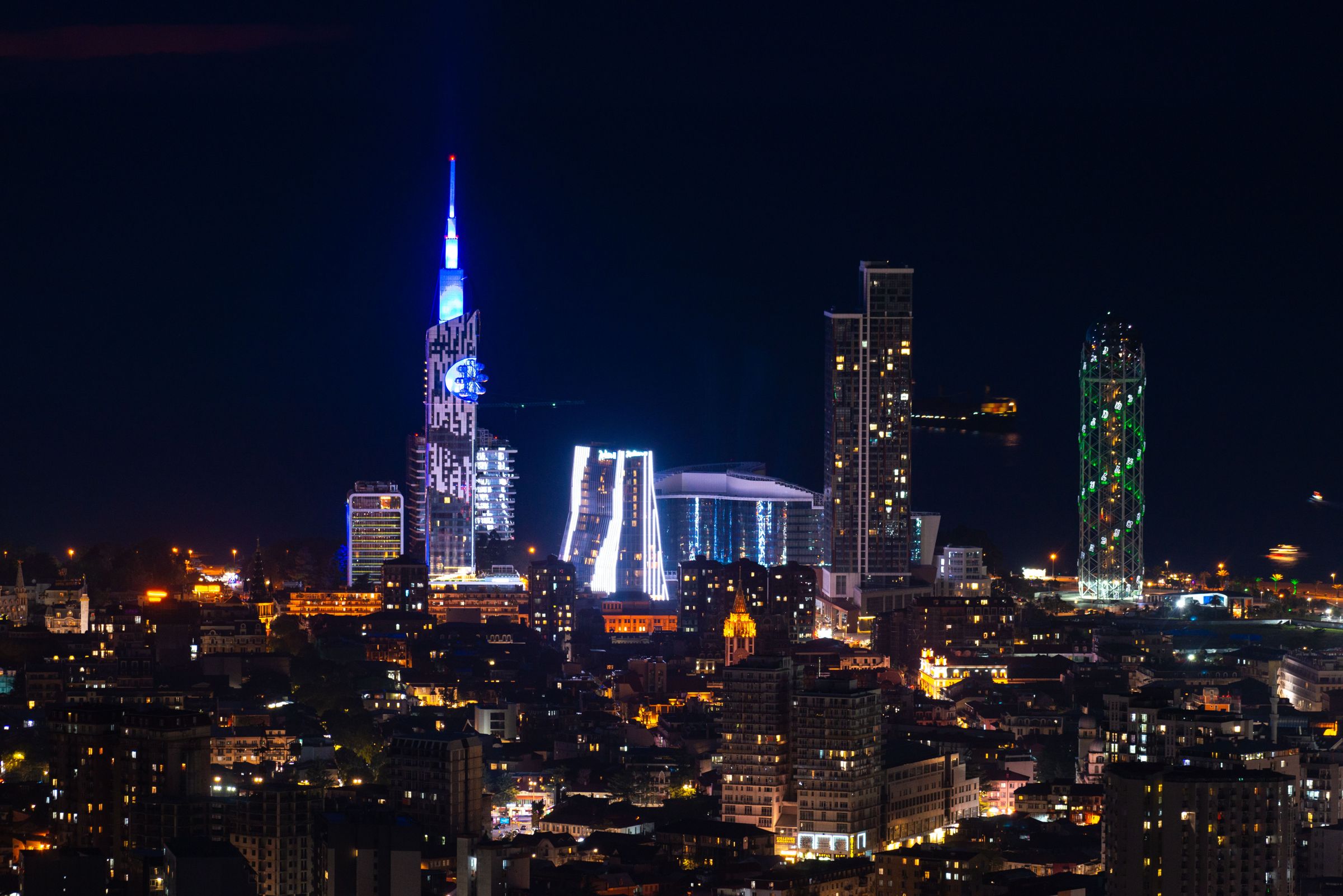
Subtropical coast: Batumi’s skyline, botanical headlands and stone villages in the citrus hills.
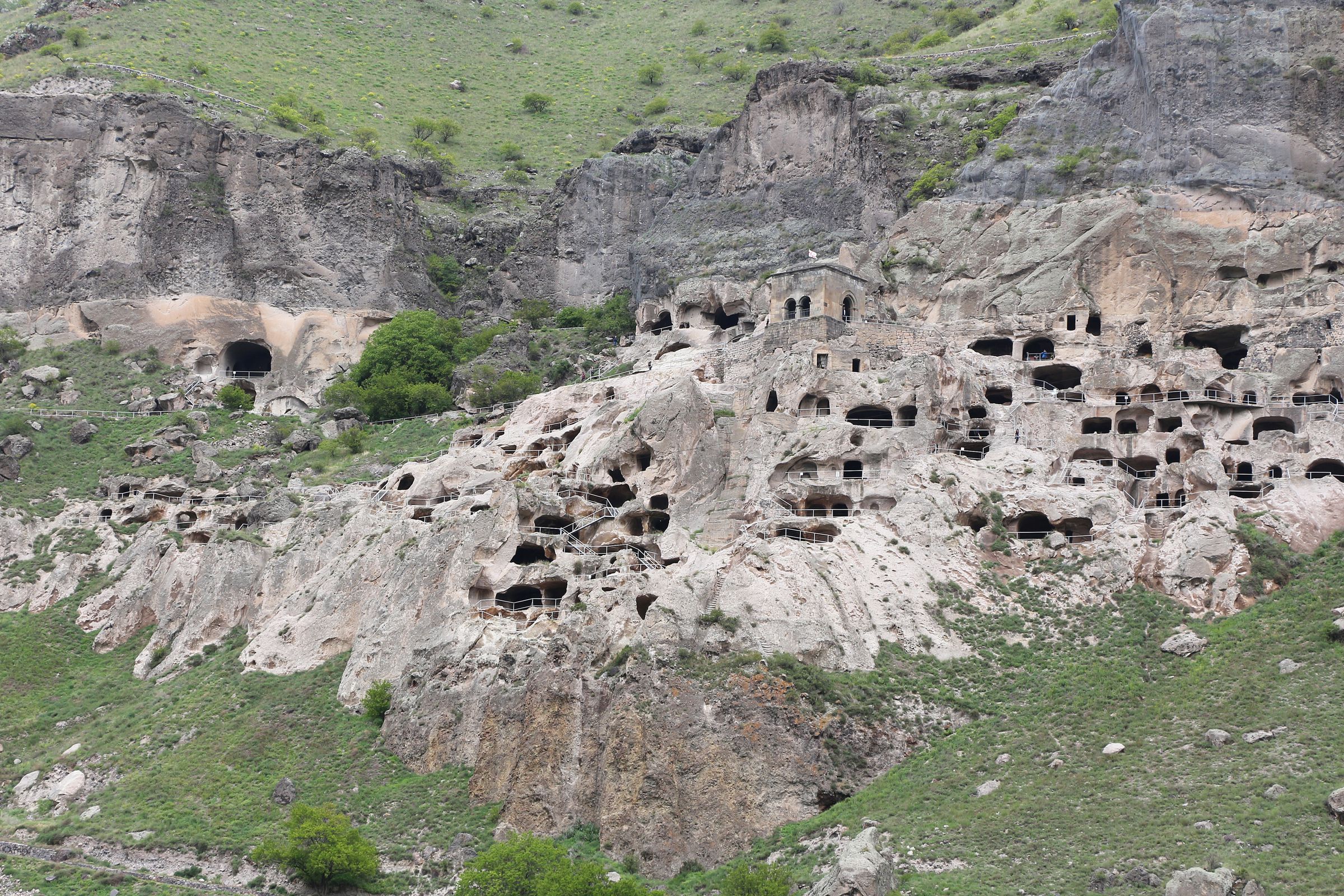
Mineral-water forests, a cave city carved for a queen, and slopes that hold their snow till April.
Curated, not crowded. Our editors’ orders of merit — updated with the seasons.
Tbilisi to the sea is a morning’s drive; to the high Caucasus, two hours.
Ski till April, swim till October, harvest grapes in September.
Guesthouses and vineyards keep every region honest — book beside the wonder, not away from it.
High passes, wine roads, and the slow coast — open the national atlas and plot a generous route.
Open the atlas →Late spring and September–October bring harvest light, open high roads, and terrace weather. Winter is for ski villages and sulphur baths; high summer belongs to the Black Sea. Shoulder months reward the unhurried.
Many travellers enter visa-free for a generous stay. Always confirm current entry rules for your passport before you book — then spend the saved hour on a long lunch.
Marshrutka minibuses, comfortable coaches, a handful of trains, and hired drivers cover most ground. Mountain roads ask for daylight and patience. Build slack into every itinerary.
Every booking removes 1 tonne of CO2 — no surcharge. It is included, not optional, and never an excuse to travel carelessly. Stay longer; spend locally; tread lightly on alpine meadows.
In cities and guesthouses, yes — and a few words of Georgian open every door. Look for the script; it is part of the landscape. Menus often arrive in three languages, like this site.
25 August 2026 · reviewed quarterly