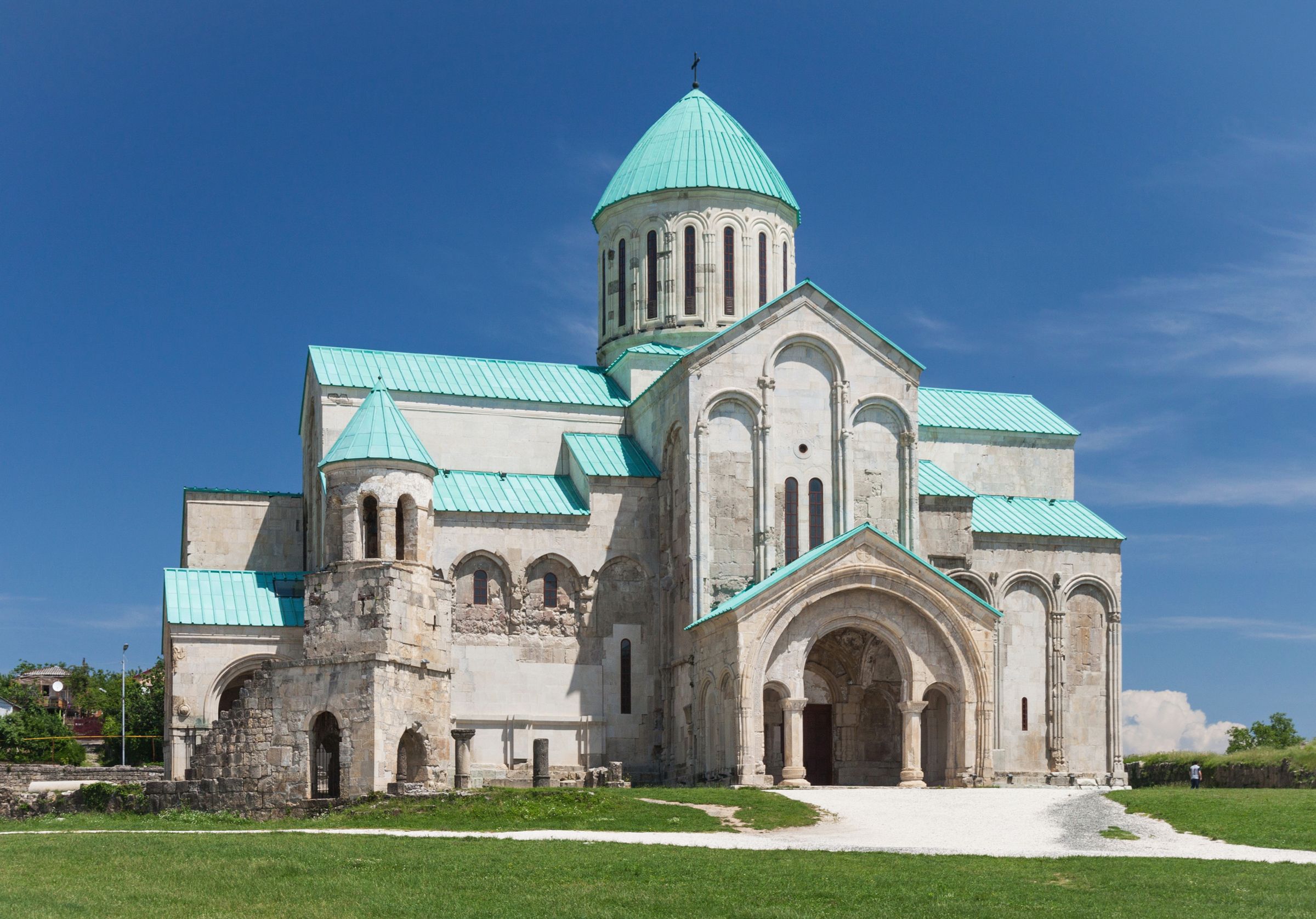
Kutaisi

Where kings were crowned and rivers still sing

Kutaisi

Kutaisi is Georgia's third-largest city and one of its oldest continuously inhabited settlements, serving as the capital of ancient Colchis and later the unified Kingdom of Georgia under David the Builder. This is where the Golden Fleece was sought, where the Bagrationi dynasty forged a nation, and where the Gelati Monastery complex—now a UNESCO World Heritage site—became the intellectual heart of medieval Georgia. The city sits at the confluence of the Rioni and Tskaltsitela rivers, surrounded by karst canyons, caves, and forests that have shaped its identity for millennia. Unlike Tbilisi's polished grandeur, Kutaisi offers unvarnished authenticity: sulfur-scented streets, a dramatically cantilevered Soviet-era parliament building, and the relentless hospitality of Imereti—arguably Georgia's most distinct culinary region.

On the ground See

  • Gelati Monastery and Academy, founded in 1106 by King David IV, where you can stand in the same scriptorium where manuscripts illuminated the Golden Age of Georgian literature
  • Prometheus Cave, a 1.8-kilometer karst system with underground rivers and dramatically lit stalactite halls, located 20 minutes north of the city
  • The Green Bazaar (Mtsvane Bazroba), operating since the 19th century, where Imeretian housewives sell ten varieties of local cheese, tkemali sauces by the jar, and wild herbs gathered from the surrounding hills

Practical Know before you go

Kutaisi International Airport (KUT) serves as Georgia's main low-cost hub with year-round European connections; spring (April-June) and early autumn (September-October) offer ideal weather for exploring the nearby canyons and monasteries.

Last reviewed 25 August 2026 · reviewed quarterly