Why go
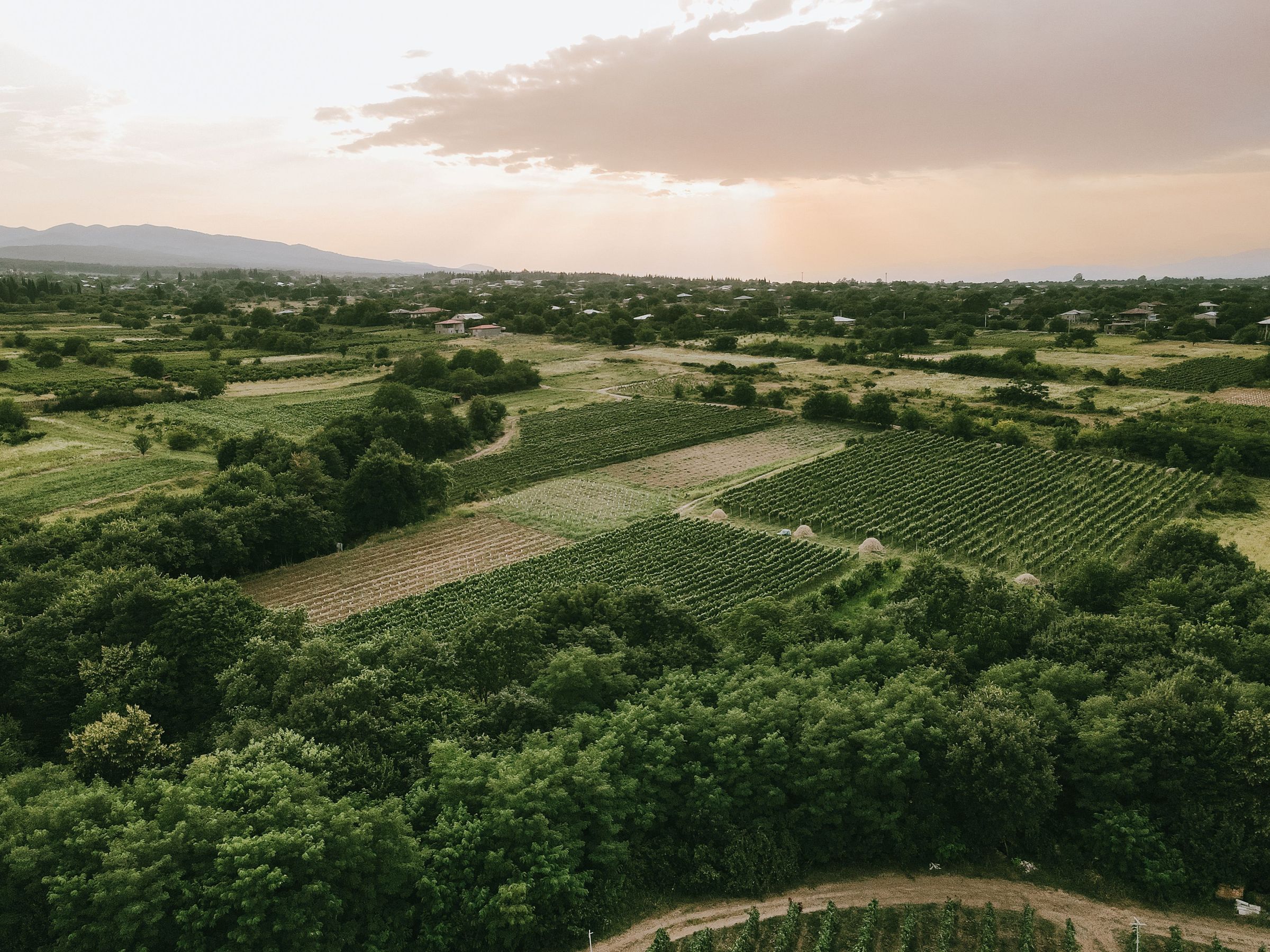
Sighnaghi's city walls rank among the most complete 18th-century fortifications in the Caucasus, built by King Erekle II between 1762 and 1772 to shelter Kakheti's population from Lezgin raids and Persian incursions. The double-walled system stretches over four kilometers with 23 towers and six gates, enclosing the entire hilltop settlement. Unlike ruins elsewhere, these walls remain walkable for most of their length, threading past traditional houses and sudden openings where the Alazani Valley spills open below—vineyards, the distant ridge of the Greater Caucasus, and on crystalline days, the snowline of Dagestan. The structure embodies Georgia's persistent strategy of fortified refuge, but survives now as a living promenade where locals stroll at dusk and visitors trace the same sentries' paths above the wine country.