Why go
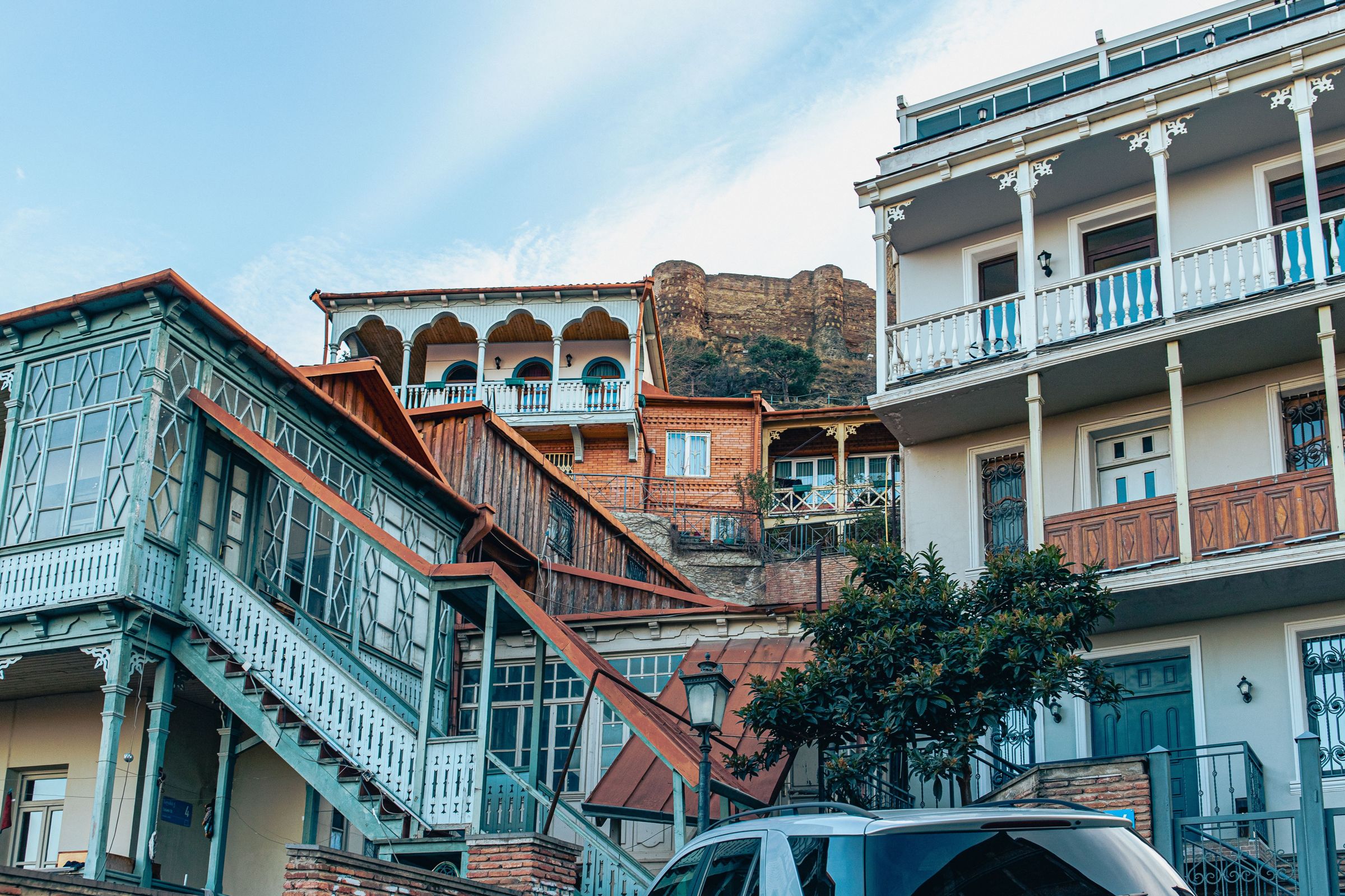
The Orbeliani Baths rise from Abanotubani's steam-filled ravine like a Persian fairy tale in blue tile, their ornate 19th-century facade commissioned by the noble Orbeliani family after the original 17th-century structure burned. These are no mere spa: Tbilisi itself derives from the Georgian 'tbili' meaning warm, referencing these very sulfur springs that legend says King Vakhtang Gorgasali's hunting falcon discovered in the 5th century, prompting him to found the city. The mineral water, naturally heated to 38-40°C, contains hydrogen sulfide, magnesium, and calcium—prescribed for skin conditions and joint ailments since medieval times. Soak where Pushkin soaked, where Russian officers convalesced, where the architecture alone—Islamic arches, stained glass, floral majolica—justifies the journey.