Rustaveli Avenue

Tbilisi's beating cultural artery

Rustaveli Avenue

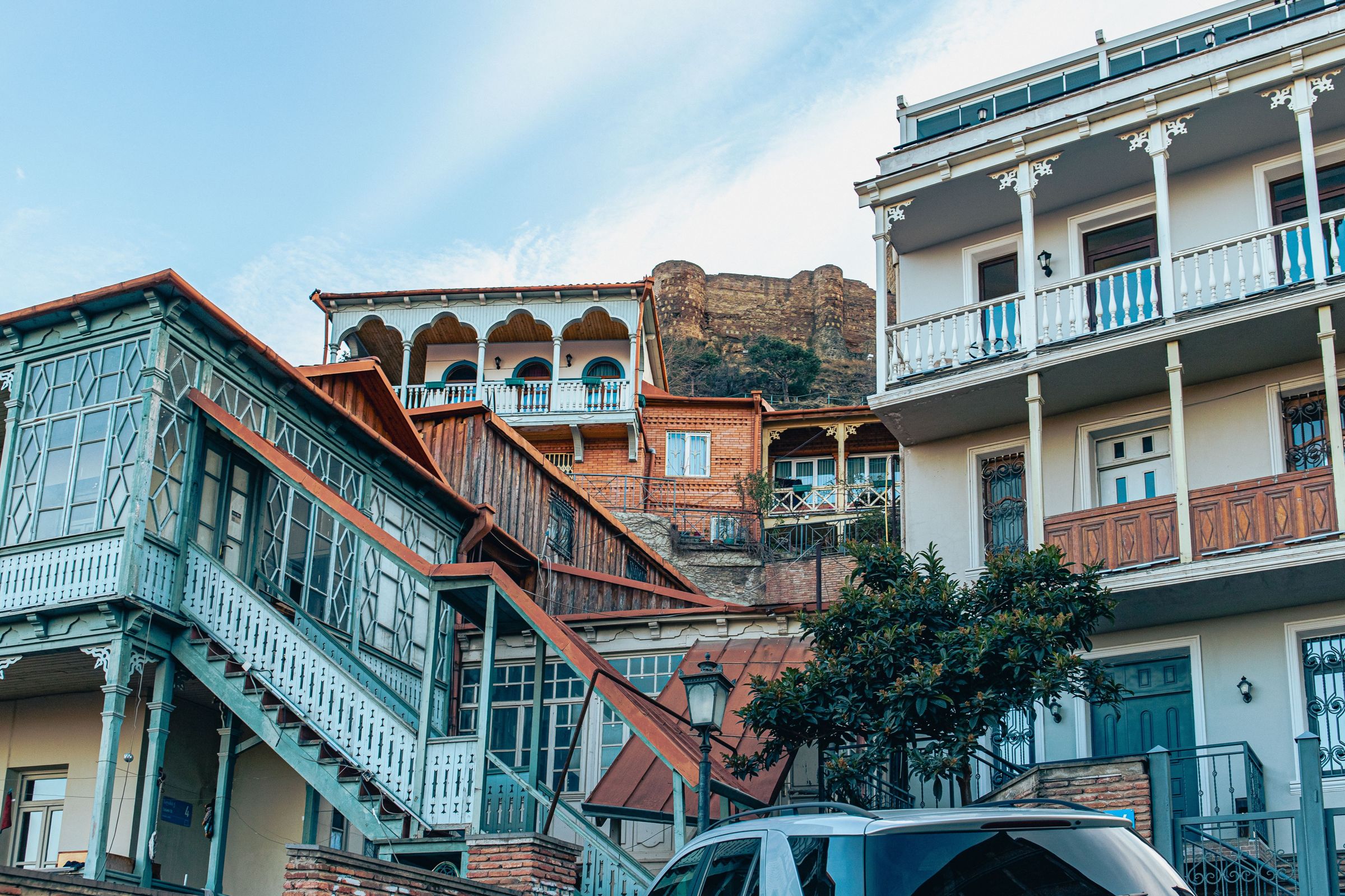
Rustaveli Avenue is the grand spine of Tbilisi, stretching 1.5 kilometers from Freedom Square to Rustaveli Metro. Named in 1937 for Shota Rustaveli, Georgia's 12th-century national poet, this boulevard has witnessed every chapter of modern Georgian history—tsarist processions, Soviet tanks in 1989, and the 2003 Rose Revolution. The avenue distills the city's identity: neoclassical facades from the Russian Imperial period stand beside brutalist Soviet blocks and contemporary glass. It is where Tbilisi comes to protest, celebrate, and simply stroll. Walking here connects you to the living pulse of a nation that has repeatedly reinvented itself without erasing its scars.

On the ground See

  • The Georgian National Museum, housed in a 19th-century tsarist building, with its extraordinary collection of pre-Christian gold and the Soviet Occupation exhibition
  • The Tbilisi Opera and Ballet State Theatre, an ornate 1896 Moorish-Rococo masterpiece that survived Soviet modernization plans and a 1970s fire
  • The Kashveti Church of St. George, a 1910 neo-Byzantine church built on the site of a 6th-century chapel, with frescoes by Georgian artist Lado Gudiashvili

Practical Know before you go

Best explored on foot year-round; the avenue is fully walkable and served by the Rustaveli Metro station, though summer evenings bring cooler temperatures and fuller terraces.

Last reviewed 25 August 2026 · reviewed quarterly