Why go
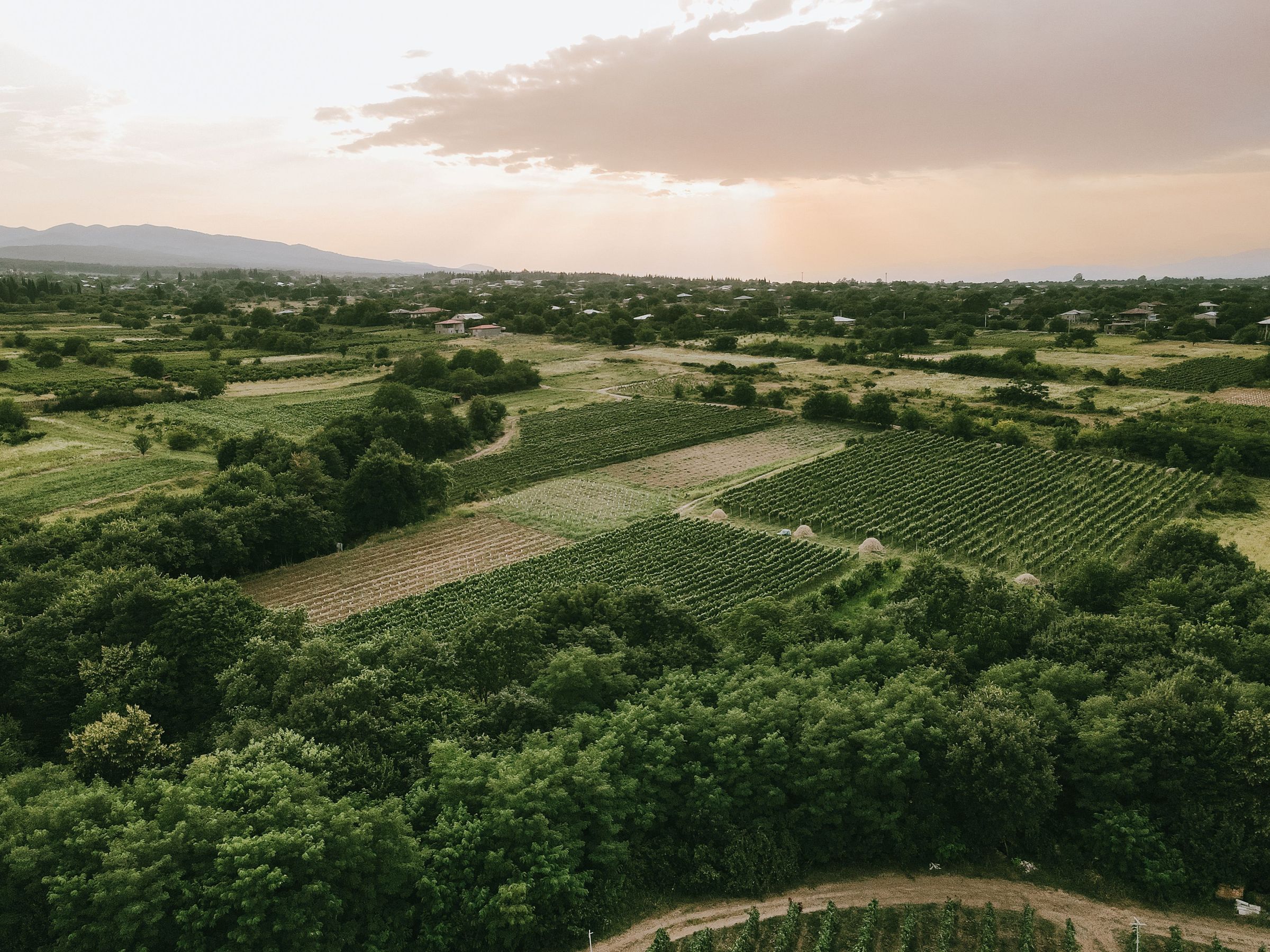
Nekresi crowns a forested ridge above the Alazani Valley, where archaeologists unearthed a 4th-century three-aisle basilica—among the earliest Christian structures in the Caucasus. The complex grew across centuries: a 6th-century church, a 8th-9th century bishop's palace, a 16th-century wine cellar with original qvevri pits, and defensive towers from when monks fortified against Lezgin raids. What endures is the stratigraphy of faith—layer upon layer of stone testifying to Georgia's uninterrupted Christian identity. The 4th-century basilica's modest scale and rough masonry humble the grander later churches; standing within its excavated walls, you grasp something of earliest Christianity's intimacy. The site's working monastery was abandoned in the 19th century, leaving archaeological purity: no active services, no reconstruction, just wind through cypress and the valley's eternal vineyards below.