Best Wineries in Georgia

Best of Georgia · Across the country

Best Wineries in Georgia

How to read this ranking

Ordered for how you travel, not for spectacle.

Each place below is scored for character, welcome, access across seasons, and the feeling it leaves — never for inventory. Use the traveller-type notes when two names pull equally.

The quick answer

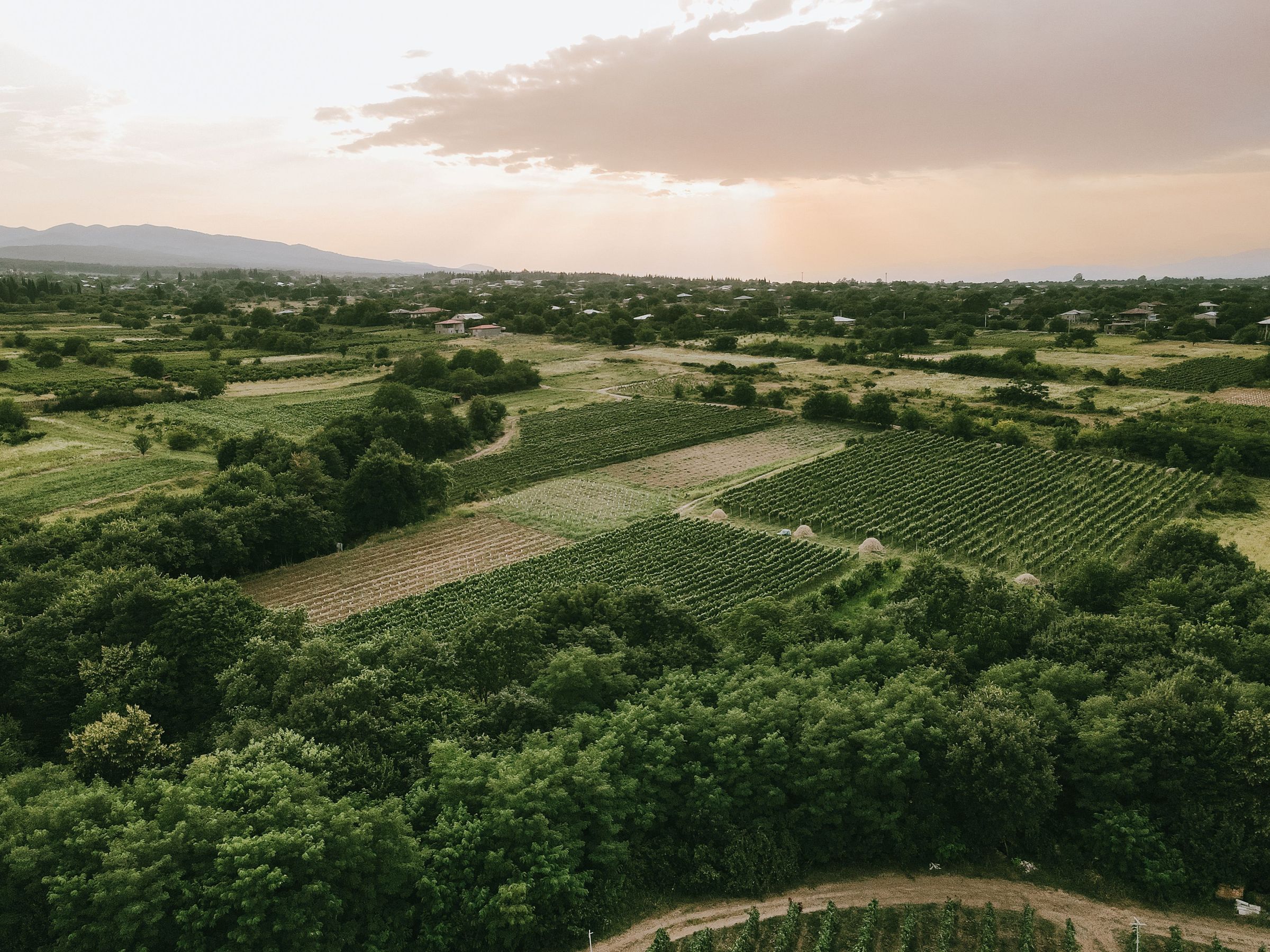
Georgia's best wineries cluster in Kakheti's Alazani Valley, where 8,000 years of qvevri winemaking still happens in working cellars you can walk into. Pheasant's Tears in Sighnaghi is the strongest all-round visit for anyone who wants one stop that explains why this tradition matters; Khareba's tunnel cellar near Kvareli and Tsinandali Estate cover the dramatic and the historic ends of the same story.

Top picks

  • Best Overall: Pheasant's Tears Winery
  • Best for a Dramatic Setting: Khareba Winery (Gvirabi Tunnel)
  • Best for History: Tsinandali Estate
  1. Pheasant's Tears Winery

    Best for a Complete Wine-and-Food Introduction

    Founded in 2007 by American painter-turned-winemaker John Wurdeman, Pheasant's Tears occupies a restored 19th-century house in Sighnaghi with a marani where qvevri are sunk deep into the earth floor. It is the single best place to understand why Georgia's skin-contact amber wines matter: descend into the working cellar to see qvevri sealed with beeswax before burial, then taste rkatsiteli and saperavi made exactly this way. What separates it from a tasting room is the adjoining restaurant, which serves seasonal Kakhetian dishes — khachapuri, mtsvadi, foraged greens — paired directly with wines drawn from the cellar below, so the visit becomes a full meal rather than a pour-and-go stop. Reserve ahead, especially in September and October during rtveli, when grapes are still stomped by foot and the whole operation is visibly alive rather than staged for visitors.

    Sighnaghi, Kakheti

  2. Khareba Winery (Gvirabi Tunnel)

    Best for a Dramatic, Underground Setting

    Khareba ages its wine inside a 7.7-kilometre tunnel bored into limestone hills near Kvareli, built in 1962 for Soviet military use and repurposed in 2005 once its constant 12–14°C and 70% humidity proved perfect for wine storage. Walking the illuminated length toward a tasting chamber carved from solid rock, past stone archways lined with barrels, is unlike any cellar visit elsewhere in Georgia — this is wine treated as a geological process, not just an agricultural one. The tasting itself compares qvevri-fermented saperavi and rkatsiteli against European-style bottles aged in the same tunnel, and the on-site traditional house adds bread-baking and churchkhela demonstrations for those travelling with children. It sits about two hours east of Tbilisi; book the tunnel tour in advance, particularly around the October harvest.

    Kvareli, Kakheti

  3. Tsinandali Estate

    Best for History and Culture

    Tsinandali is where Georgian wine first met the wider world. Prince Alexander Chavchavadze — poet, diplomat, and 19th-century visionary — imported European techniques to his family estate, producing Georgia's first bottled, cellar-aged white wine and winning gold medals abroad while never abandoning local grapes. The restored palace holds original 1830s interiors, French wallpapers, and a wine cellar still containing 19th-century vintages, set inside Georgia's first botanical garden with English-landscaped grounds. A guided tasting in the garden, overlooking the Alazani Valley, closes the visit on the same note the estate was built for: proving Georgian wine could stand confidently alongside Europe's. It's an easy 45-minute drive from Tbilisi on the Telavi highway, with English-speaking guides available by reservation, making it the simplest half-day wine outing from the capital.

    Tsinandali, Kakheti

  4. Twins Wine Cellar

    Best for a Hands-On Harvest Experience

    Run by brothers Gia and Gela Gamtkitsulashvili in the village of Napareuli, Twins is where a visit stops being passive. Their qvevri marani holds dozens of clay vessels buried shoulder-deep in the cellar floor, and during the September–October rtveli harvest, guests crush grapes by foot alongside the family rather than watching from behind a rope. The attached Museum of Viticulture and Ethnography displays 19th-century drinking horns and cellar tools that give context before the tasting, and hands-on sessions let visitors bake shoti bread in a tone oven and make khinkali in the family kitchen, paired with vertical tastings of the estate's reserve wines. It rewards travellers who want to work for their wine rather than simply drink it. Napareuli sits about 100km east of Tbilisi; arrange tastings ahead, and time the trip for harvest if the hands-on element matters most.

    Napareuli, Kakheti

  5. Okro's Wines

    Best for an Intimate Family Tasting

    Okro's is a small family operation above Sighnaghi run by Zurab and his sons, making natural qvevri wines since 2004 from organically farmed vineyards. There is no tasting room staff to navigate — Zurab or a family member personally guides the visit, walking guests through more than twenty buried clay vessels and explaining, in plain terms, how skin-contact fermentation for months produces the amber rkatsiteli and rare Otskhanuri Sapere red the estate is known for. The wines are unfiltered and honest rather than polished, which is precisely the point for anyone tired of industrial-scale tasting rooms. Because it's a working family vineyard, English-speaking family members are sometimes out in the vines rather than by the phone, so calling ahead — and being patient about timing — is part of the experience rather than an inconvenience.

    Sighnaghi, Kakheti

  6. Schuchmann Wines Chateau

    Best for a Winery Stay

    Schuchmann pairs German precision with Georgian tradition at its estate and boutique hotel in Velistsikhe, where steel-tank and qvevri fermentation happen side by side under one roof. It is the pick for travellers who want to sleep among the vines rather than drive back to Telavi or Tbilisi after tasting: the estate sits amid rolling vineyards with the Greater Caucasus visible from the terrace, and the tasting programme runs from standard cellar tours to a distinctive grape-based 'wine therapy' treatment unlikely to be offered elsewhere in Kakheti. Saperavi on the terrace at sunset, with the Alazani Valley spread below, is the reason to choose this estate over a same-day visit elsewhere. It's roughly a two-hour drive from Tbilisi and best visited May through October, when the terrace and vineyard walks are at their most usable.

    Velistsikhe, Kakheti

  7. Corporation Kindzmarauli

    Best for Understanding Georgia's Iconic Semi-Sweet Red

    Founded in 1533 and expanded into a vast complex under Soviet industrial winemaking, Corporation Kindzmarauli in Kvareli remains the definitive producer of Kindzmarauli — the semi-sweet red once served at the Kremlin and still Georgia's most exported wine. Its scale is the point: towering concrete and oak cellars bored into the hillside hold millions of litres, a physical record of the era when Georgian wine functioned as state prestige rather than boutique craft. Touring the tunnel cellars and then descending to the original 16th-century foundations beneath the Soviet-era expansion gives a rare before-and-after view of how this appellation — made from saperavi grapes with fermentation arrested to preserve natural sweetness — survived multiple political eras intact. Book through their Kvareli office in advance; English guides are available most days.

    Kvareli, Kakheti

  8. Chateau Mere

    Best for Sunset Views Over the Alazani Valley

    Built by Georgian winemaker Giorgi Margvelashvili on a ridge above the Alazani Valley near Sighnaghi, Chateau Mere is the region's most photographed viewpoint attached to an actual working winery. It represents Kakheti's contemporary face — steel tanks and French oak used alongside indigenous saperavi and rkatsiteli, rather than qvevri alone — and the tasting explains both methods side by side using grapes from the same harvest. The estate's open terrace, with the Caucasus range framing the vineyards below, is built for the sunset dinner it offers rather than a quick tasting stop, making it the natural choice for a relaxed evening rather than a daytime cellar tour. It's a 15-minute drive from Sighnaghi's old town walls; reserve ahead for both tours and meals, and note that September–October harvest activity is visible from the terrace.

    Near Sighnaghi, Kakheti

  9. Keda Municipality Wine Cellars

    Best for an Off-the-Beaten-Path Wine Region

    Everything about Kakheti's wine country has a western Georgian counterpart most visitors never reach, and Keda in Adjara is it. Family cellars tucked into humid subtropical valleys of the Lesser Caucasus ferment chkhaveri — an indigenous pink-skinned grape found almost nowhere else — in qvevri buried beneath wooden houses, producing amber and rosé wines with tea-like tannins and wild strawberry notes that taste nothing like Kakheti's. Vines here are trained on pergolas up to five metres high, a technique the region's steep, wet terrain forced growers to develop. The Keda Wine House, a municipal cellar opened in 2015, aggregates family production into structured tastings of chkhaveri and tsolikouri, while village cellars in Ochkhamuri and Merkheuli will open 19th-century qvevri for anyone willing to arrange transport up the mountain roads. It's the pick for travellers based in Batumi who want a genuinely different wine culture rather than a repeat of the Kakheti script.

    Keda, Adjara

Best for every traveller

  • First-Time Visitors with One Day: Tsinandali Estate — Closest to Tbilisi, easiest to book, and it tells the whole story of Georgian wine's modern history in a single stop before or after the botanical garden.
  • Serious Wine Enthusiasts: Pheasant's Tears Winery or Okro's Wines — Both are natural, qvevri-only producers run by the people who actually make the wine — the closest thing Georgia has to grower-producer tastings rather than commercial tourism.
  • Couples and Sunset Seekers: Chateau Mere or Schuchmann Wines Chateau — Terrace dining over the Alazani Valley, with Schuchmann adding the option to stay the night among the vines.
  • Families with Children: Khareba Winery (Gvirabi Tunnel) — The tunnel itself is a spectacle kids respond to, and the on-site bread-baking and churchkhela demonstrations give non-tasters something to do.
  • Travellers Wanting Hands-On Harvest Work: Twins Wine Cellar — Foot-crushing grapes and baking shoti bread during rtveli make this the most participatory cellar on the list, not just the most photogenic.

How to choose

Start with how much time you have and where you're based. From Tbilisi, Tsinandali and a same-day loop through Sighnaghi (Pheasant's Tears, Okro's, Chateau Mere) cover the essentials without an overnight. If you can stay a night in wine country, base in Telavi or Sighnaghi and add Kvareli's tunnel cellars (Khareba, Corporation Kindzmarauli) the next day. Decide next whether you want craft or spectacle: family qvevri cellars like Okro's and Twins reward patience and a willingness to be guided by the winemaker directly, while Khareba's tunnel and Corporation Kindzmarauli's Soviet-scale cellars deliver a bigger, more photogenic experience with less intimacy. If you're travelling from Batumi rather than Tbilisi, Keda's chkhaveri cellars are the only entry on this list that don't require the long drive east into Kakheti.

Methodology — how we ranked

We selected wineries actually open to independent visitors — not appellations, museums, or wine regions dressed up as attractions — and judged each on five things: the quality and authenticity of the winemaking (qvevri tradition, indigenous grapes, or genuine innovation), how much a visit teaches versus simply pours, ease of access and advance booking, value against the experience offered, and the setting itself. We favoured working cellars where the person pouring is often the person who made the wine, and we kept out anywhere that felt like a coach-tour tasting room with no craft behind it.

Know before you go

Practical notes, without the noise

Almost every winery on this list requires advance booking, even nominally 'open year-round' ones — English-speaking staff and winemakers are often out in the vineyards, especially during the September–October rtveli harvest, which is simultaneously the best and busiest time to visit. A rental car or private driver is close to essential: public transport between Kakheti's wine villages is infrequent, and several cellars (Chateau Mere, Twins, Keda's village cellars) sit down unmarked roads a marshrutka won't reach. Expect tastings to run 30–90 minutes and often include food; if driving yourself, arrange a designated driver or a driver-guide for the day, since spitting is not the local custom. Most estates accept card payment but carry cash for smaller family cellars.

Do I need to book wineries in advance in Georgia?

Yes, for nearly all of them. Even larger operations like Khareba and Badagoni recommend advance reservations for tours, and small family cellars such as Okro's or the village cellars in Keda often have no fixed hours at all — you're booking a person's time, not a storefront.

What is qvevri wine and why does it matter here?

Qvevri are large clay vessels buried underground and used to ferment grapes with their skins, stems, and seeds for months. The method dates back roughly 8,000 years in Georgia and is recognised by UNESCO as Intangible Cultural Heritage — it's the reason Georgian amber (orange) wine tastes and looks distinct from wine made almost anywhere else.

Is Kakheti the only wine region worth visiting?

It's by far the largest and most developed for visitors, producing the majority of Georgia's wine from the Alazani Valley. But Racha-Lechkhumi (Khvanchkara, Tvishi), Imereti, and Adjara's Keda municipality all have distinct grapes and traditions worth a detour if you're not pressed for time.

Can I visit wineries as a day trip from Tbilisi?

Yes. Telavi and Sighnaghi are roughly 90 minutes to two hours from Tbilisi by car, and a single day comfortably covers two or three cellars — Tsinandali plus one or two Sighnaghi-area wineries is the most common itinerary.

When is the best time to visit for the harvest experience?

Rtveli, the grape harvest, runs through September and October and is when cellars are most active — expect foot-crushing, qvevri being sealed, and fuller tasting rooms. Spring (April–May) offers flowering vines, quieter cellars, and easier last-minute bookings.

We re-check: winery opening hours and booking requirements; tasting menu prices; seasonal access to harvest activities; hotel and stay availability at Schuchmann Wines Chateau.
Last reviewed 25 August 2026 · biannual

Every booking removes 1 tonne of CO₂ — no surcharge.