Why go
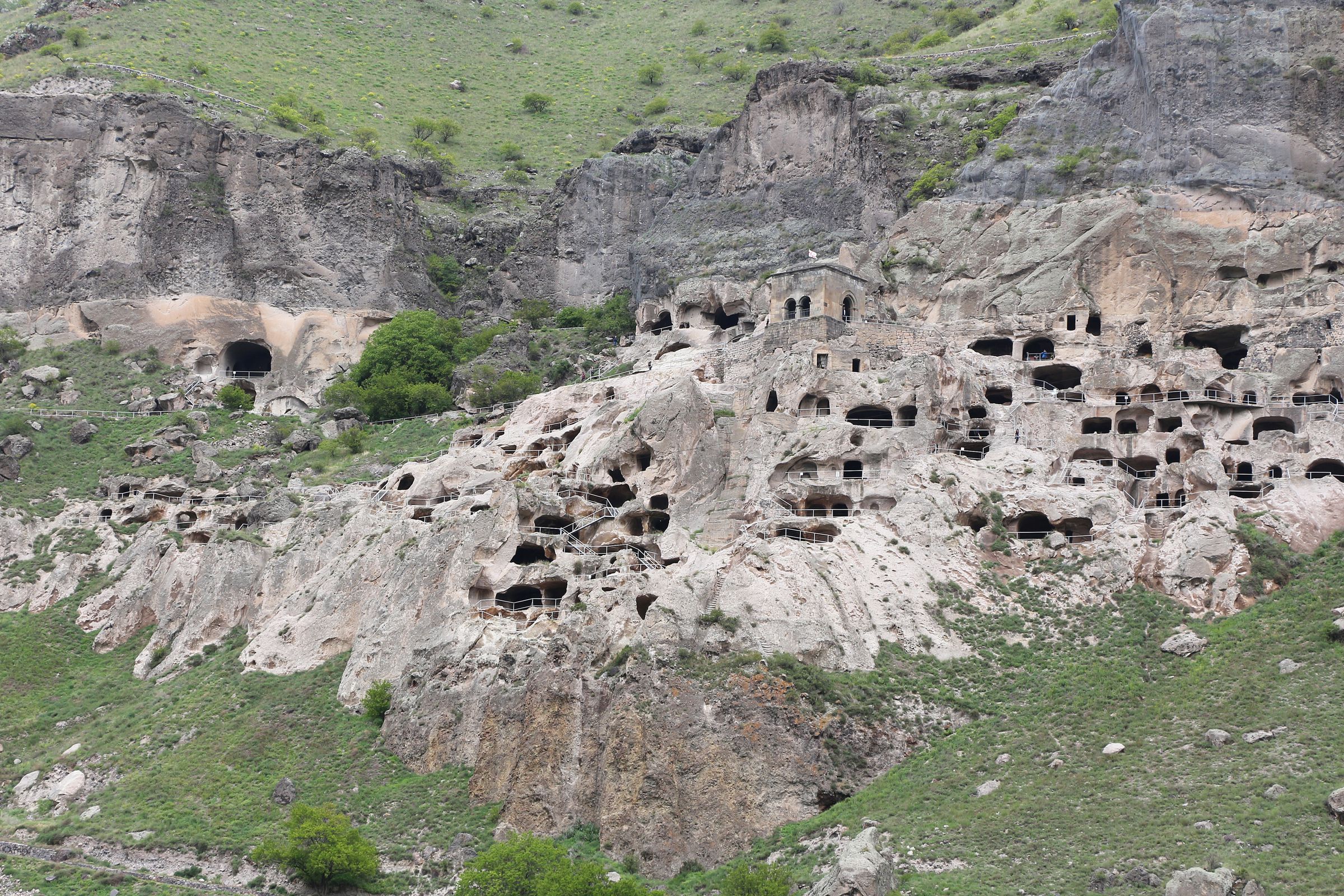
Nunisi Church rises from the forested slopes of the Nunisi River valley, a 13th–14th century jewel of the Samtskhe-Javakheti highlands. Its builders left behind an extraordinary legacy: exterior walls alive with intricate stone carvings—geometric interlace, stylized flora, and crosses—executed with the confidence of master masons working at the height of late medieval Georgian artistry. Inside, fragments of frescoes survive, ghostly remnants of once-vibrant sacred painting. The church served a monastic community and local faithful in a region that formed a crucial corridor between Georgian and Armenian cultural spheres. Its remoteness preserved it from heavy restoration, offering rare, unmediated contact with medieval devotional life. For travelers weary of crowded monuments, Nunisi rewards the journey with profound stillness and craftsmanship that demands close, unhurried attention.