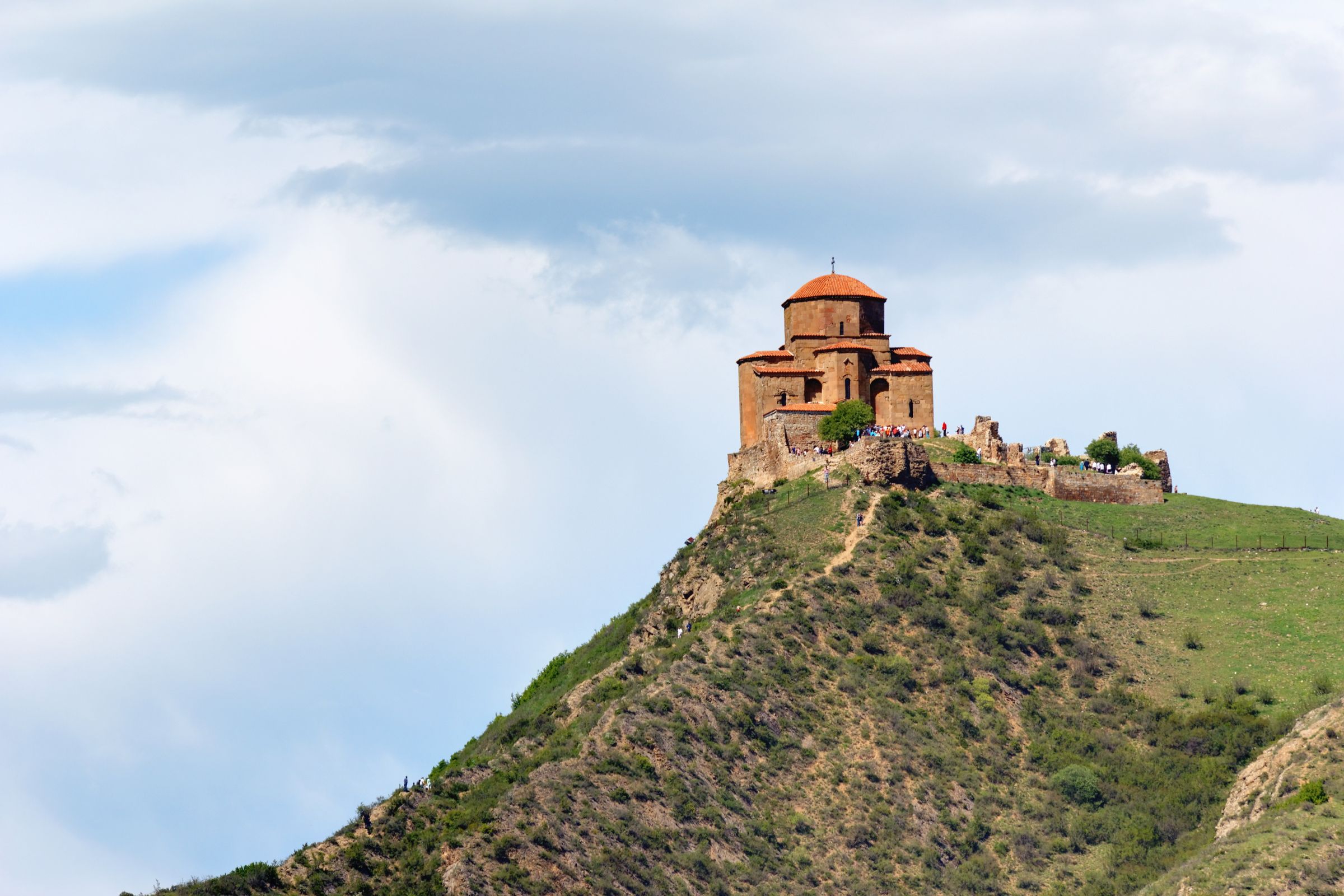
Jvari Monastery
Where two rivers meet beneath ancient stone

A country of vineyards, watchtowers and high Caucasus light — told slowly, booked with care.
Tbilisi and Mtskheta sit twenty minutes apart at the confluence of the Mtkvari and Aragvi rivers, and together they hold the two halves of the same story: Mtskheta is where Georgian Christianity and Georgian kingship were founded in the 4th and 5th centuries, and Tbilisi is where the nation has lived, traded and rebuilt itself ever since. See both to understand the country; see only one and you have half the picture.
Mtskheta's cluster of monuments — Jvari, Svetitskhoveli and the old town around them — was inscribed as a single UNESCO World Heritage Site in 1994, one of Georgia's three. Tbilisi's Old Town has no such designation, which says more about bureaucratic timing than about its worth: a living capital built continuously since the 5th century, still inhabited rather than preserved behind glass, is its own kind of monument.
The atlas holds 73 documented wonders here — archaeological site, bridge, canyon, cathedral, church, fortress, lake, monastery. Base yourself in Tbilisi and radiate outwards; nothing below is more than a day away.
Begin with these — then wander. Each card is a doorway, not a checklist.
Where two rivers meet beneath ancient stone
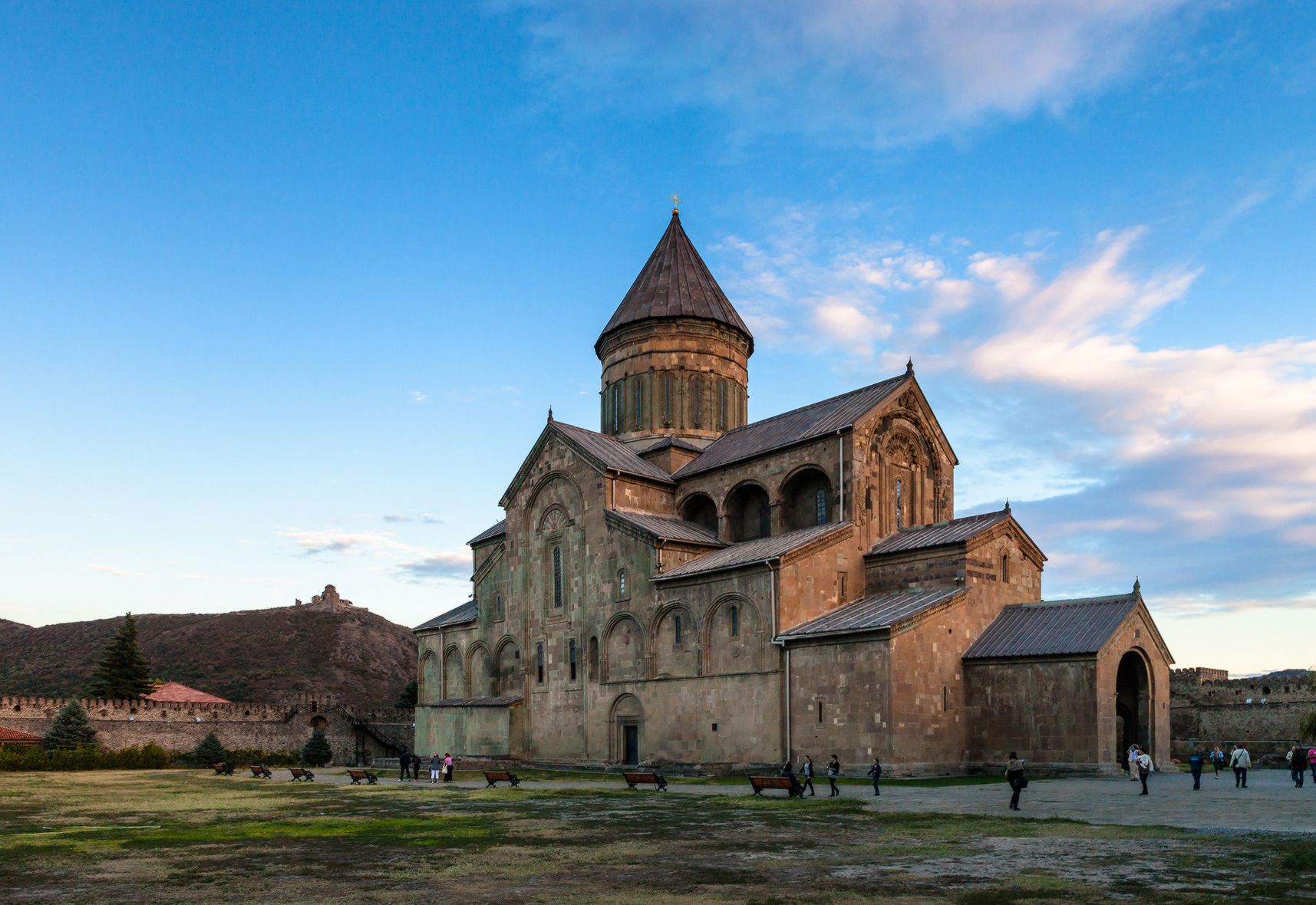
Where Christ's robe sleeps beneath stone
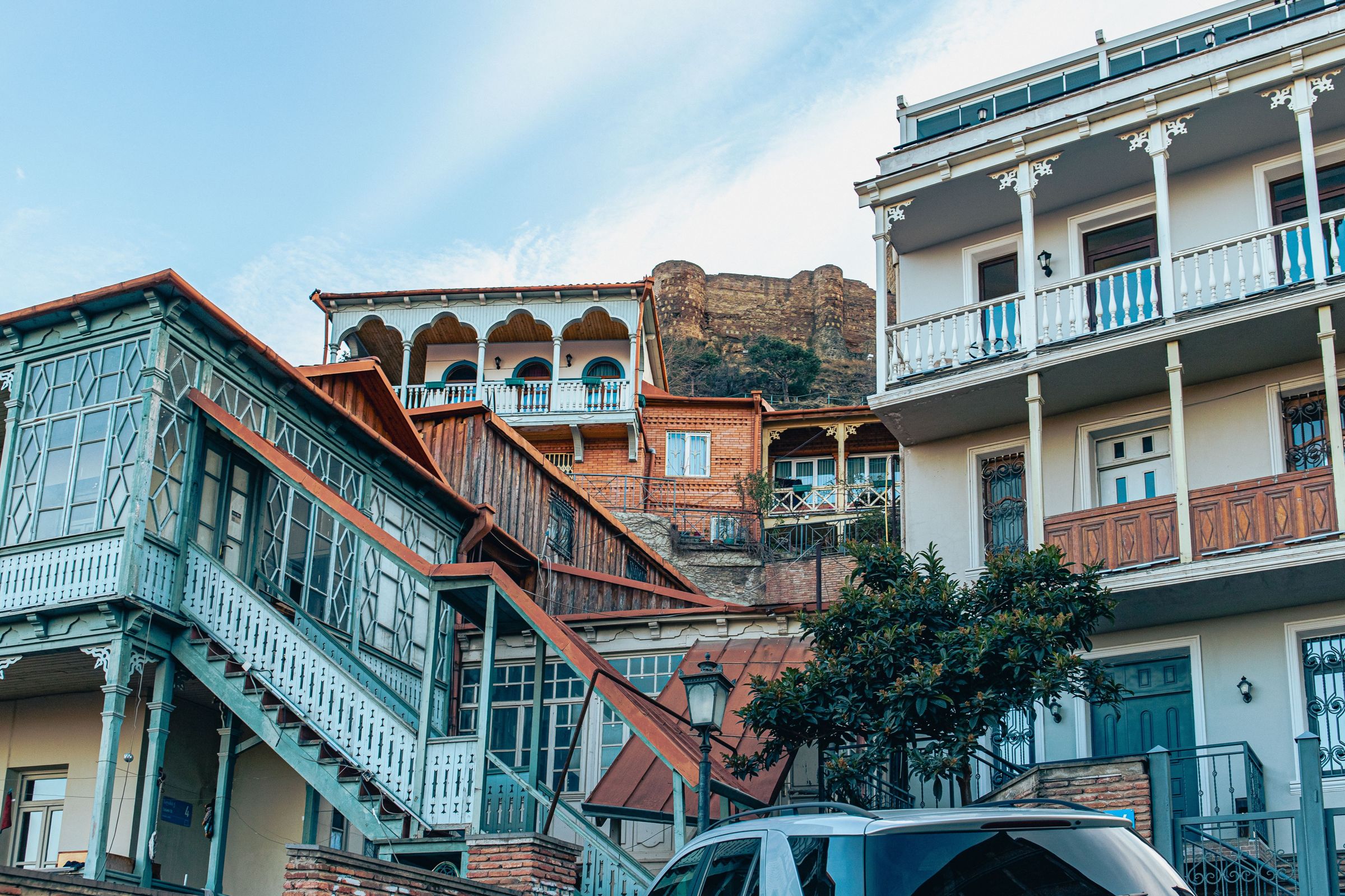
Where centuries layer like balcony shadows
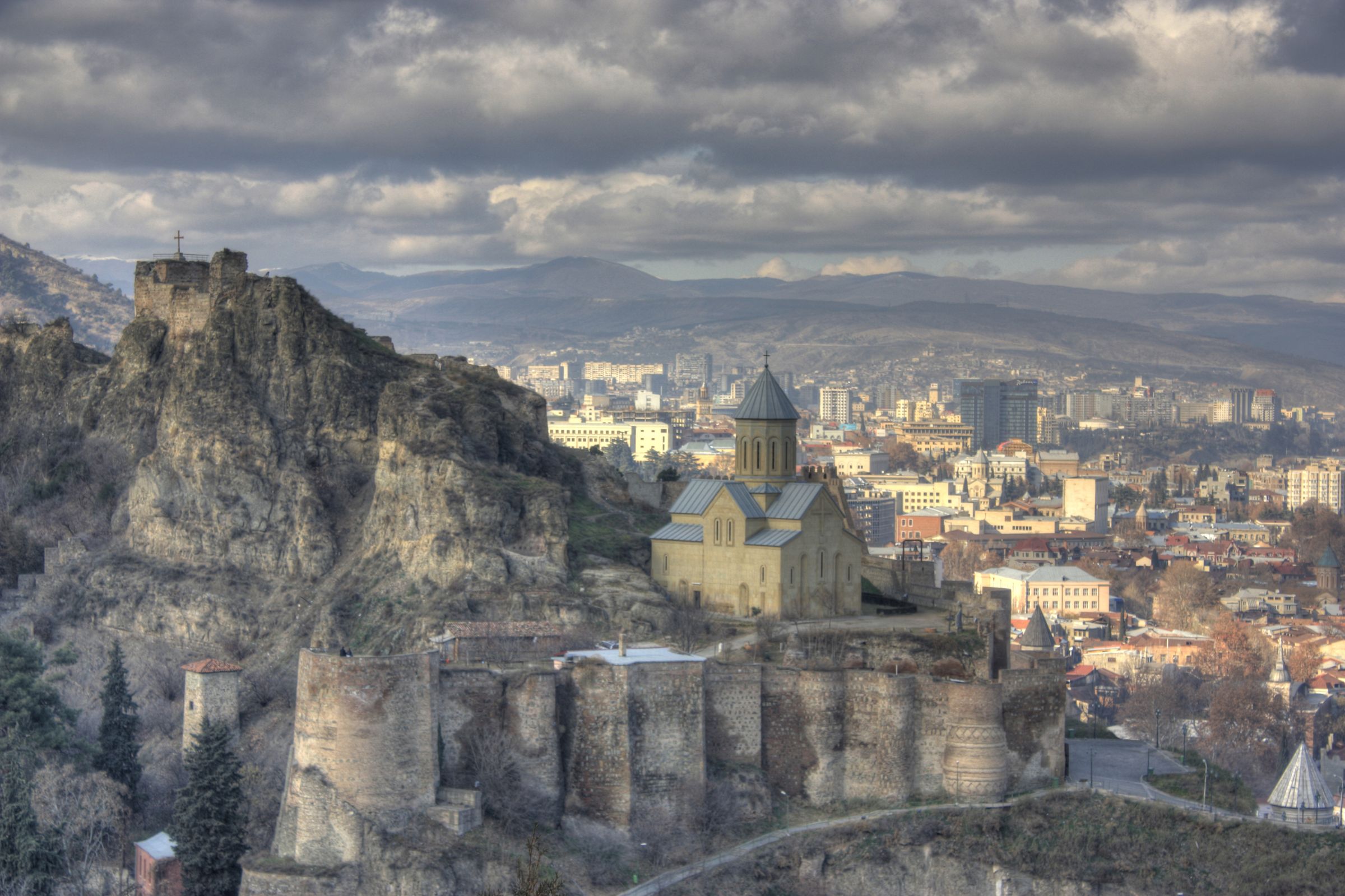
Ancient guardian watching over Tbilisi's soul
Golden domes rising from ancient hills
Tbilisi's mountaintop playground of memory and view
Where Georgia's voices rest together
Where St. Nino's cross has rested for centuries
Where Queen Tamar's gaze still holds the light
Where stone flowers bloom in eternal bloom
Where Georgia's soul was first consecrated
Royal waters where Tbilisi began
Curated, not crowded. Our editors’ orders of merit — updated with the seasons.
Tbilisi — arrivals, markets and the best spread of places to sleep.
Every wonder below is pinned on the national atlas with live availability beside it.
Every booking removes one tonne of CO₂ — folded in, never added at the end.
Tbilisi International Airport sits about 18km from the city centre with taxis and airport buses into town. Mtskheta is roughly 20km northwest of Tbilisi — the calmest way there is the Tbilisi–Mtskheta train, which runs several times daily, though marshrutkas from Didube station are more frequent and take about 20–40 minutes depending on the site. Most of Tbilisi's Old Town and Narikala are walkable or a short cable-car ride apart. Peak season for comfortable walking is April–June and September–October; midsummer heat makes the cobblestones and steep approaches to Jvari and Narikala genuinely tiring, and winter can bring ice on the same slopes. Modest dress — covered shoulders and knees, headscarves for women — is expected at every church and monastery on this list; most provide coverings at the entrance if you arrive without.
Yes, comfortably. Mtskheta's core sites — Jvari, Svetitskhoveli and the old town around them — can be covered in a morning by train or marshrutka, leaving the afternoon and evening for Tbilisi's Old Town, Narikala and the sulfur baths.
No. The Tbilisi–Mtskheta train runs several times daily and is the most relaxed option, while marshrutkas leave frequently from Didube station and take roughly 20–40 minutes depending on which site you're heading to.
Covered shoulders and knees for everyone, and a headscarf for women at most sites. Svetitskhoveli, Jvari, Shio-Mgvime and Sioni Cathedral all enforce this, and coverings are typically available to borrow at the entrance if you forget.
The footpath from Meidan Square is steep and takes about 20 minutes; if that doesn't appeal, a short cable car ride from Rike Park reaches the fortress for a few lari and is the easier option, especially in summer heat.
Mtskheta was the capital of the Iberian kingdom for centuries and is where Christianity became Georgia's state religion in 337 AD. Its monuments were inscribed as a single UNESCO World Heritage Site in 1994 precisely because of that founding role, not its current size.
High passes, wine roads, and the slow coast — open the national atlas and plot a generous route.
See Tbilisi & Mtskheta on the atlas →Late spring and September–October bring harvest light, open high roads, and terrace weather. Winter is for ski villages and sulphur baths; high summer belongs to the Black Sea. Shoulder months reward the unhurried.
Many travellers enter visa-free for a generous stay. Always confirm current entry rules for your passport before you book — then spend the saved hour on a long lunch.
Marshrutka minibuses, comfortable coaches, a handful of trains, and hired drivers cover most ground. Mountain roads ask for daylight and patience. Build slack into every itinerary.
Every booking removes 1 tonne of CO2 — no surcharge. It is included, not optional, and never an excuse to travel carelessly. Stay longer; spend locally; tread lightly on alpine meadows.
In cities and guesthouses, yes — and a few words of Georgian open every door. Look for the script; it is part of the landscape. Menus often arrive in three languages, like this site.
25 August 2026 · reviewed quarterly