Why go
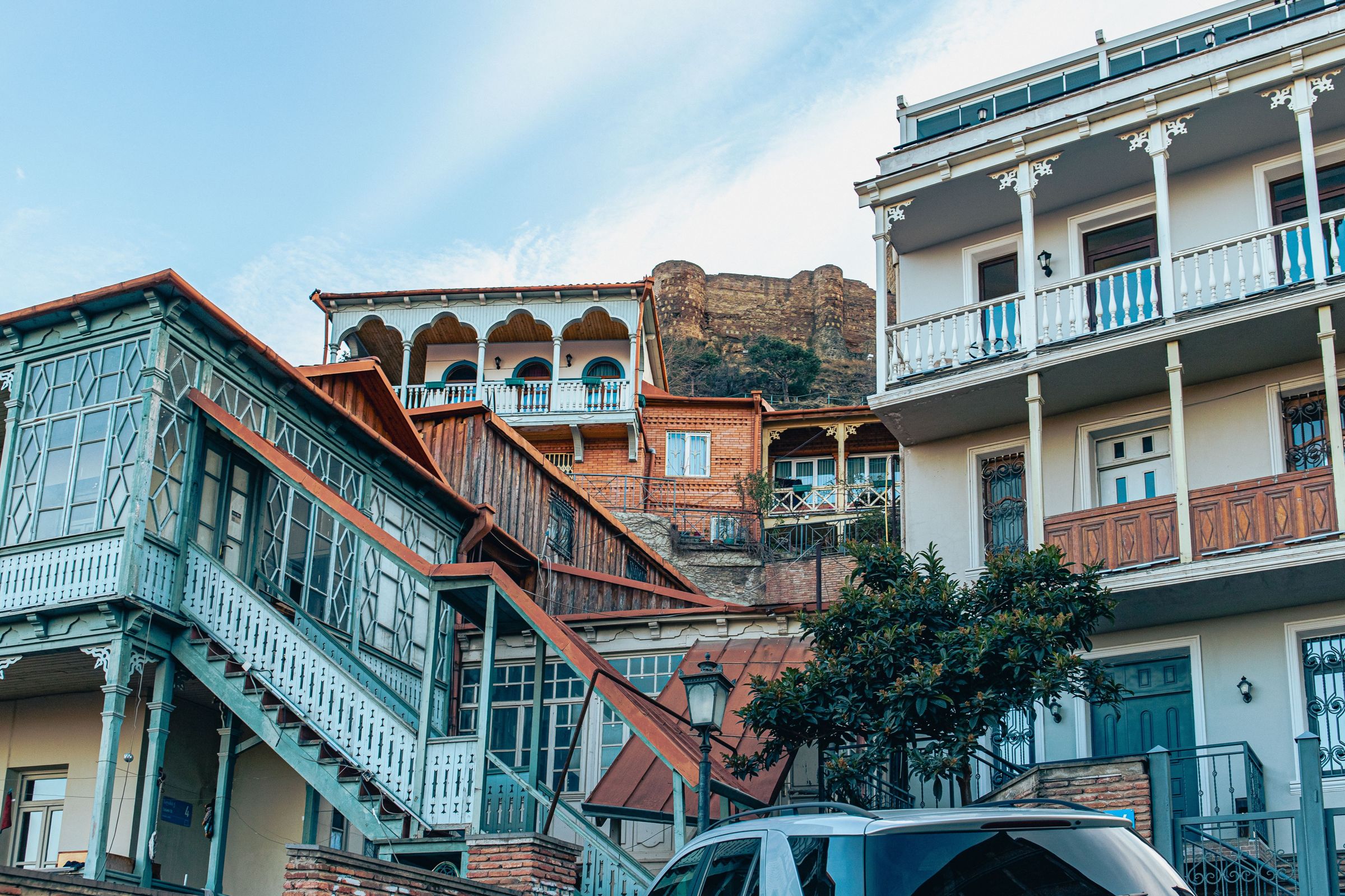
Armazi Fortress crowns Mount Bagineti above the Mtkvari River, commanding the strategic Aragvi Valley where East and West have collided for millennia. Founded in the 3rd century BCE as the citadel of the Iberian kings, it was sacked by Pompey in 65 BCE, rebuilt, destroyed by Arabs in the 8th century, and finally ruined by Timur in the 14th century. The scattered ruins—cyclopean walls, a palace foundation, and a Hellenistic temple site—speak to Georgia's earliest statehood. Unlike Mtskheta's crowded churches below, Armazi offers solitude and the visceral sense of standing where ancient kings plotted alliances with Rome and Persia.