Tbilisi Open Air Museum of Ethnography

Georgia's living architecture, hillside reborn

Tbilisi Open Air Museum of Ethnography

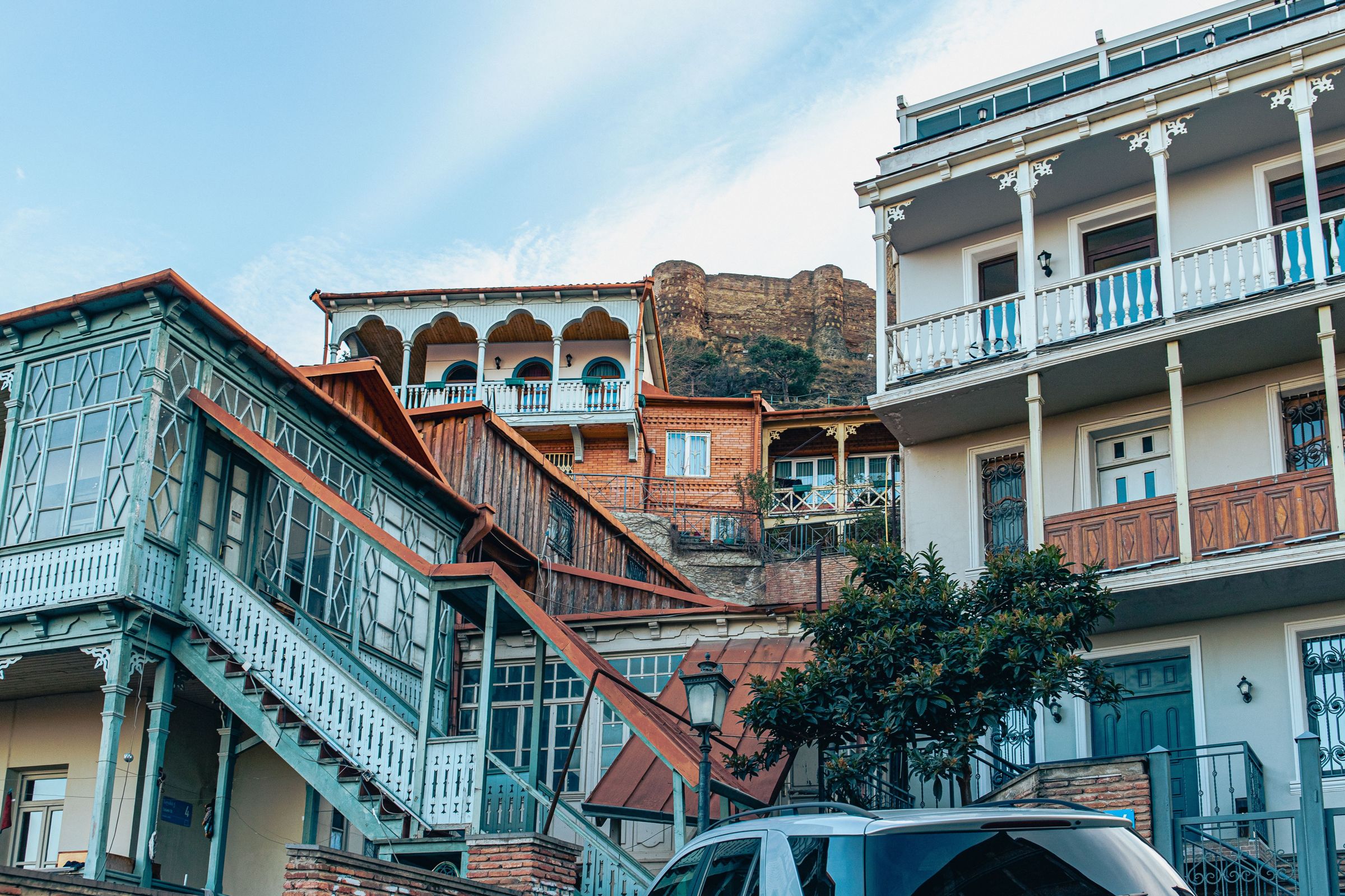
This 52-hectare hillside sanctuary rescues and reassembles over 70 authentic rural structures—farmhouses, watchtowers, wine cellars, and churches—salvaged from every corner of Georgia before Soviet modernization erased them. Founded in 1966 by ethnographer Giorgi Chitaia, the museum preserves the distinct building traditions of Samegrelo's raised wooden houses, Tusheti's stone towers, and Kakheti's wine-making estates. Walking its winding paths, you witness how Georgia's violent geography shaped its architecture: defensive towers against blood feuds, elevated grain stores against flooding, carved wooden balconies against summer heat. It is Tbilisi's most overlooked masterpiece—where the whole country's material culture breathes in open air.

On the ground See

  • The 19th-century Svanetian watchtower, reassembled stone by stone from Mestia province, complete with its original slate roof and murder holes
  • The Imeretian oda house with its columned wooden veranda, demonstrating the western region's Persian-influenced aristocratic style
  • The working wine cellar (marani) with qvevri buried underground, where traditional Kakhetian winemaking is demonstrated during the autumn Rtveli harvest festival

Practical Know before you go

Open Tuesday–Sunday, 10am–6pm (November–March until 4pm); take bus 90 from Rustaveli metro or taxi to the Turtle Lake road above Vake Park.

Last reviewed 25 August 2026 · reviewed quarterly