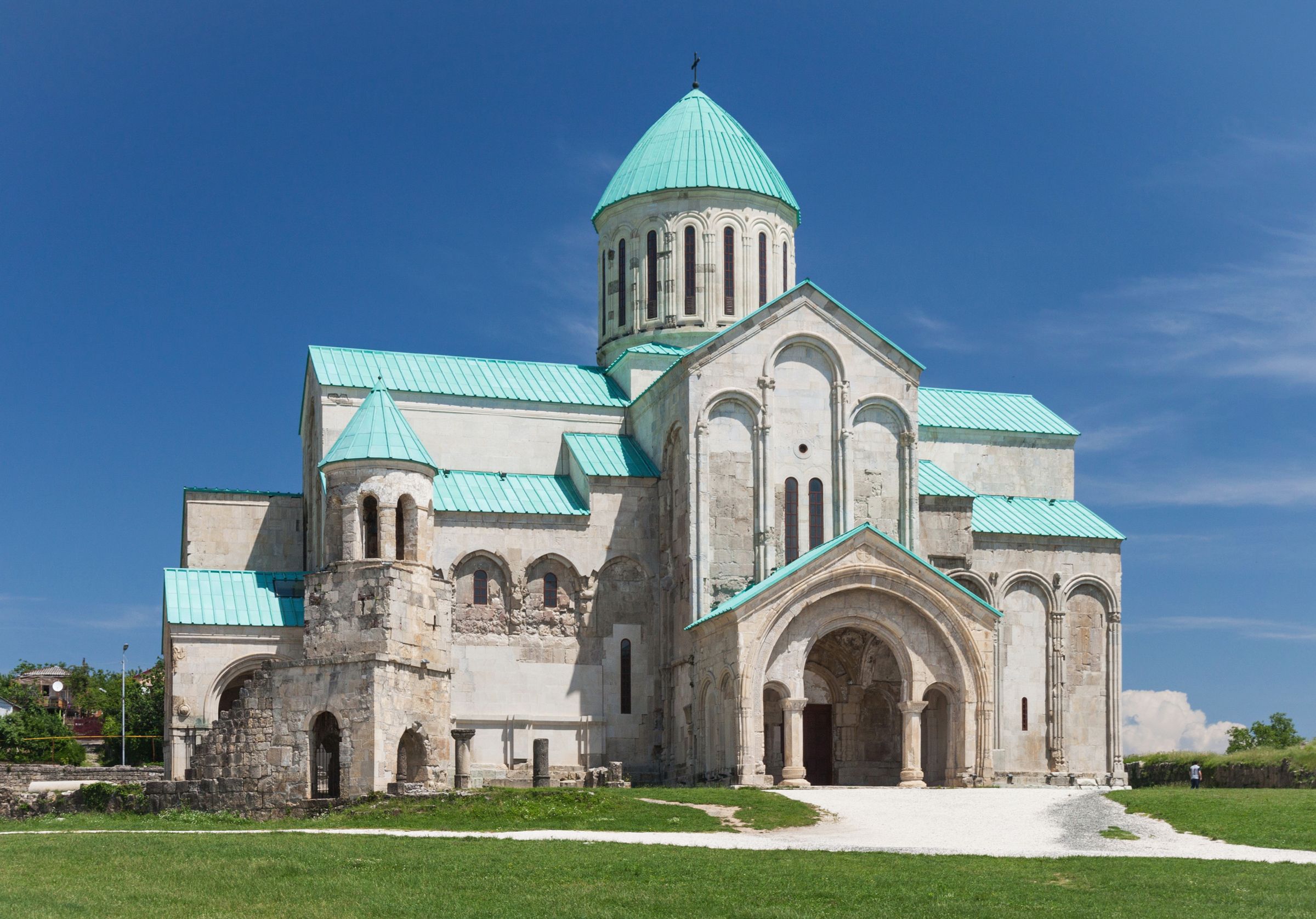
Tbilisi-Kutaisi Railway Station

Where empires and trains once met

Tbilisi-Kutaisi Railway Station

The Tbilisi-Kutaisi Railway Station stands as Imereti's living monument to Georgia's forced modernization under Imperial Russia. Opened in 1871 as a strategic link in the Transcaucasus Railway, this station funneled manganese, wine, and soldiers between the Black Sea and the Caspian. The building itself wears its Soviet-era renovations modestly—functional, unglamorous, honest. Yet its platforms have witnessed German prisoners rebuilding tracks in 1945, independence refugees in 1991, and today's slow trains still carrying villagers between Kutaisi's faded industrial suburbs and Tbilisi's glittering future. It rewards travelers who find poetry in rust, timetable boards, and the particular silence of a provincial station at midday.

On the ground See

  • The original 1871 stone warehouse foundations visible beside the main platform, one of the few surviving pre-Soviet railway structures in western Georgia
  • The hand-painted destination boards in Georgian and Russian, still manually updated, showing the twice-daily departures to Tbilisi (roughly 5 hours)
  • The small memorial plaque to railway workers who died during the 1921 Red Army invasion, located in the waiting hall

Practical Know before you go

Best visited during operating hours (trains run roughly 6am–8pm); the station is a 15-minute walk from Kutaisi's city center along Tsisperi Kantselebi Street, or reachable by marshrutka 1 or 30.

Last reviewed 25 August 2026 · reviewed quarterly