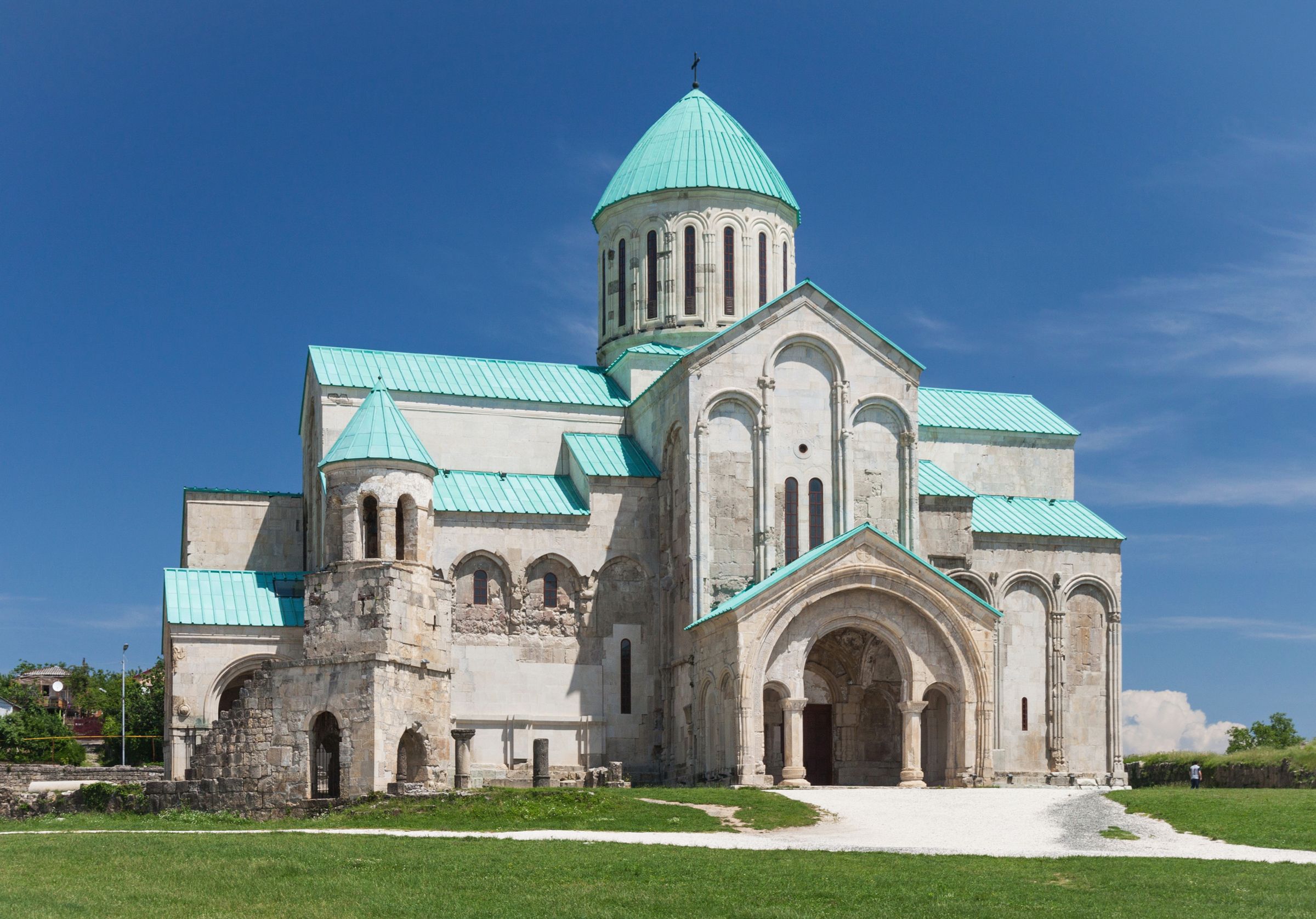
Gelati Monastery Cave Complex

Where monks carved silence into stone

Gelati Monastery Cave Complex

Just below the gleaming domes of Gelati Monastery lies a humbler world: medieval hermit caves hand-carved into soft limestone cliffs by monks seeking absolute solitude. These cells, some barely shoulder-width, connected by narrow passages and worn steps, were occupied from the 12th century onward—contemporary with the monastery's golden age under King David IV. Unlike the celebrated church above, these caves bear no frescoes or gold, only the palpable residue of ascetic devotion. You enter not as tourist but as witness to a radical choice: to abandon the world for prayer in damp darkness. The contrast between Gelati's imperial splendor and these rough hollows reveals the twin engines of Georgian spirituality—earthly glory and self-erasure.

On the ground See

  • Climb the steep trail from Gelati Monastery's lower parking area to reach the cliff-face cells, some with original carved bed platforms and small altar niches still visible
  • Peer into the 'Upper Cave,' the largest hermitage, where a narrow passage leads to a chamber with medieval graffiti and soot-blackened ceiling from centuries of oil lamps
  • Descend to the small spring-fed cistern that once supplied water to the hermits, still flowing beneath twisted walnut trees

Practical Know before you go

Best visited April–October; from Kutaisi, marshrutka or taxi to Gelati Monastery (30 min), then 15-minute steep walk—sturdy shoes essential, no formal entrance or fee.

Last reviewed 25 August 2026 · reviewed quarterly