Why go
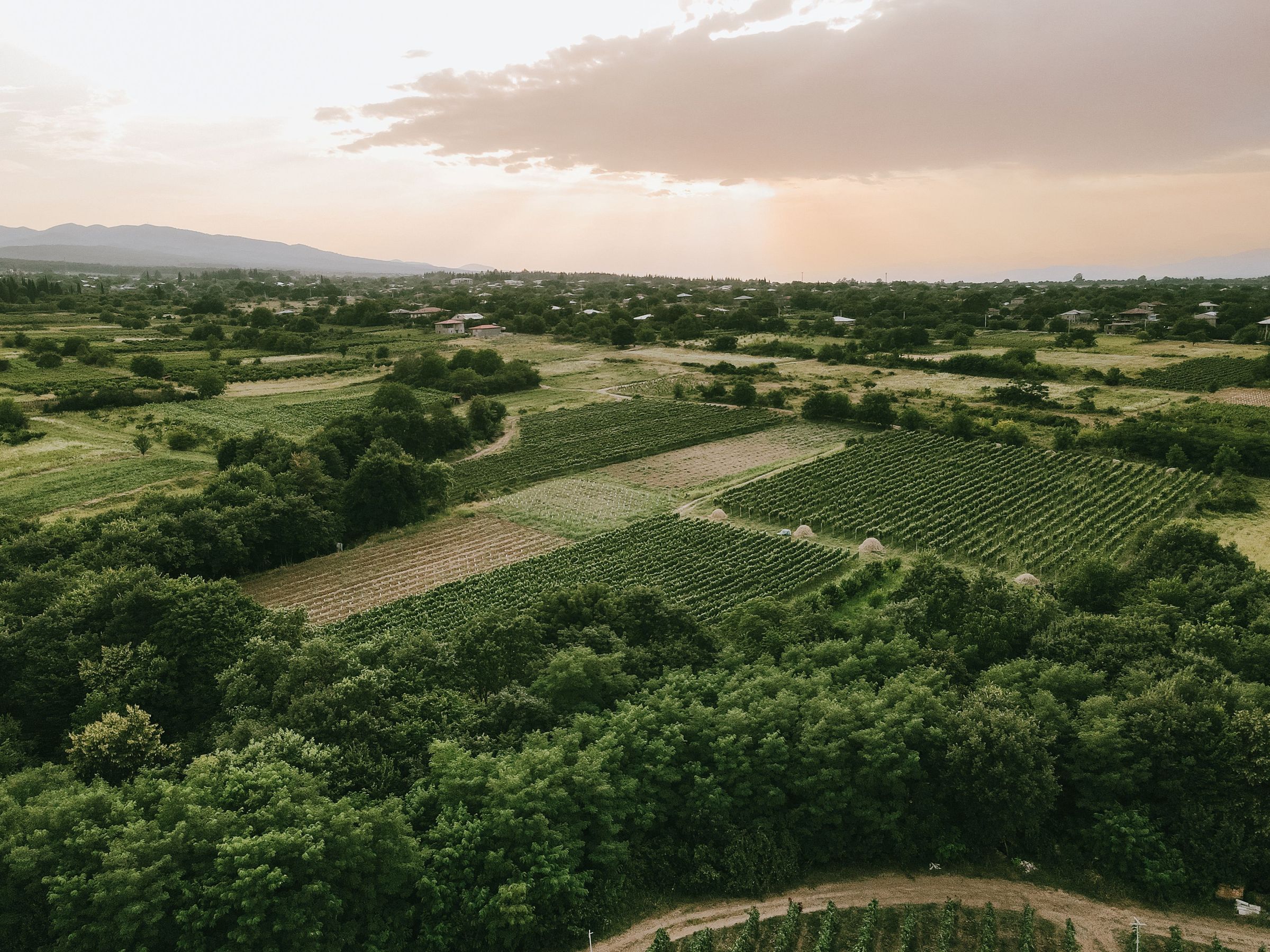
Khirsa Monastery (also known as Khirsa-Saint George) perches above the Alazani Valley, its origins stretching to the 6th century though most structures date from the 12th–13th centuries. The domed church preserves remarkable medieval frescoes, including a rare depiction of the Dormition and portraits of noble donors—testament to Kakheti's golden age before Mongol devastation. Unlike Georgia's crowded major sites, Khirsa breathes solitude; only birds and distant church bells interrupt the hush. The monastery served as a cultural refuge, its scriptorium once copying manuscripts that traveled across Caucasia. Its worth lies in this unguarded authenticity: crumbling walls, unretouched pigments, and the sense that time here moves differently.