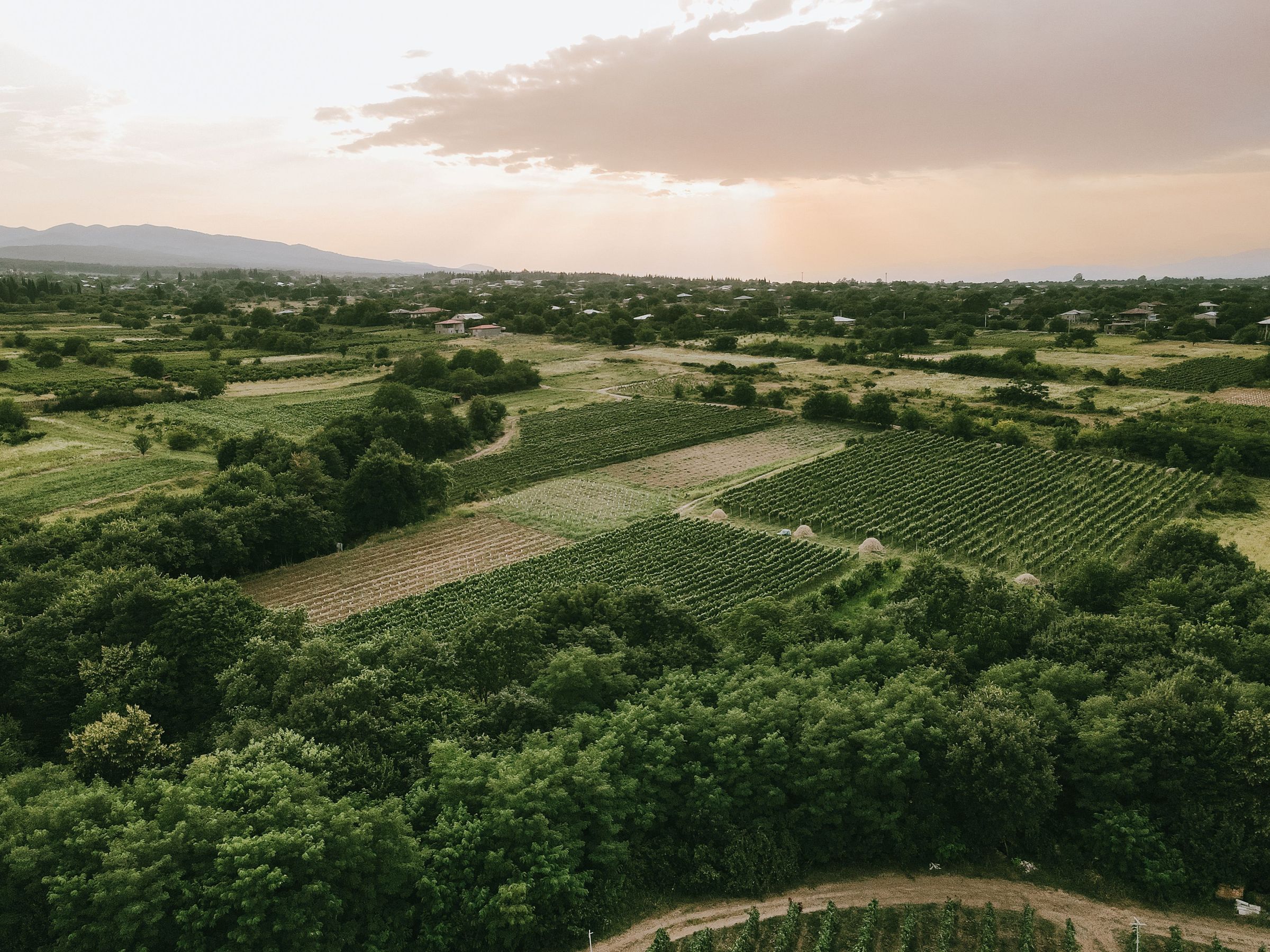
Dedoplistskaro

Desert winds meet ancient vines

Dedoplistskaro

Dedoplistskaro sits at the edge of Georgia's driest region, where semi-desert meets steppe and rainfall barely reaches 350mm annually. This harshness shaped a distinctive wine culture: locals cultivate drought-resistant rkatsiteli and saperavi in sandy soils, producing concentrated, mineral-driven wines unlike Kakheti's lush valley bottlings. The town itself carries Soviet-era administrative DNA—its name means 'Queen's Spring,' referencing Tamar's legendary visit—yet functions as the essential staging post for Vashlovani National Park, where badlands, mud volcanoes, and Persian leopard habitat begin. Come for the wines that survive where others cannot; stay for the threshold into wild Georgia.

On the ground See

  • Visit Vashlovani National Park's Alazani floodplain forests and Chachuna Managed Reserve for sheldgeese, goitered gazelles, and eroded 'wedding cake' badlands accessible only via 4WD
  • Taste estate wines at local cellars practicing traditional qvevri fermentation with grapes grown in the driest registered wine appellation in Georgia
  • Explore the David Gareja monastery complex's more remote sectors—Dodos Rka and Bertubani—whose 6th-9th century frescoes sit within walking distance across the Azerbaijani border zone

Practical Know before you go

Best visited April-May and September-October; summer temperatures exceed 40°C and winter brings fierce winds; marshrutkas run from Tbilisi's Samgori station (3.5 hours) and park permits must be arranged in advance through the Ministry of Environment.

Last reviewed 25 August 2026 · reviewed quarterly