Why go
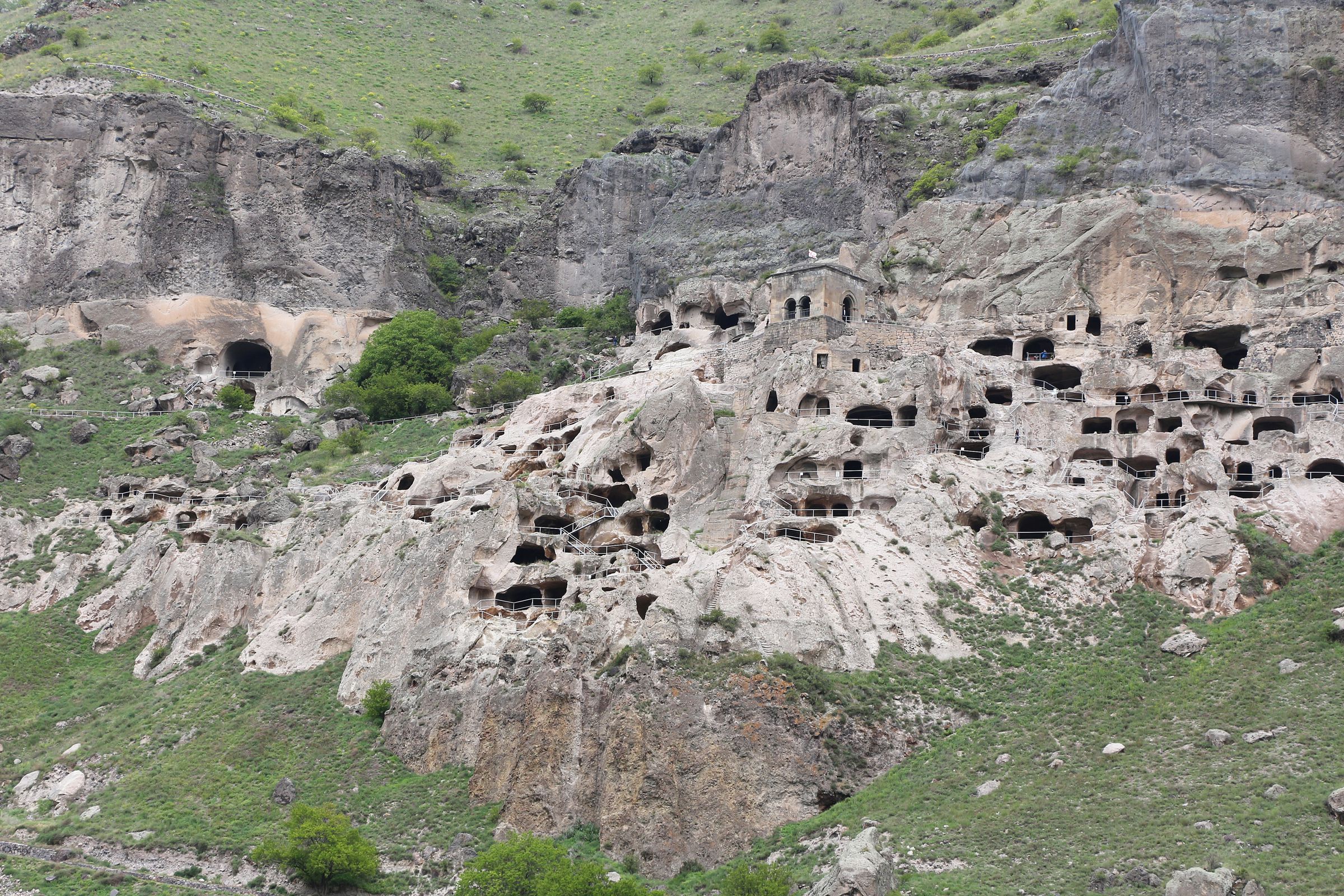
Tmogvi Fortress rises from a knife-edge basalt promontory 100 meters above the Mtkvari River, its shattered towers and cisterns speaking to nine centuries of frontier warfare. Founded in the 9th century and expanded by the Jakeli princes who ruled Samtskhe-Javakheti, Tmogvi commanded the vital trade corridor linking the Caucasus to Anatolia. The fortress finally passed to the Ottomans in 1578, surrendered to Lala Pasha by the Meskhetian noble Manuchar Atabagi amid internal strife, yet the ruins remain among Georgia's most cinematically situated—stone ramparts dissolving into vertiginous cliffs, with Vardzia's cave city visible across the gorge. Here, history feels geological: strata of human ambition carved into volcanic rock.