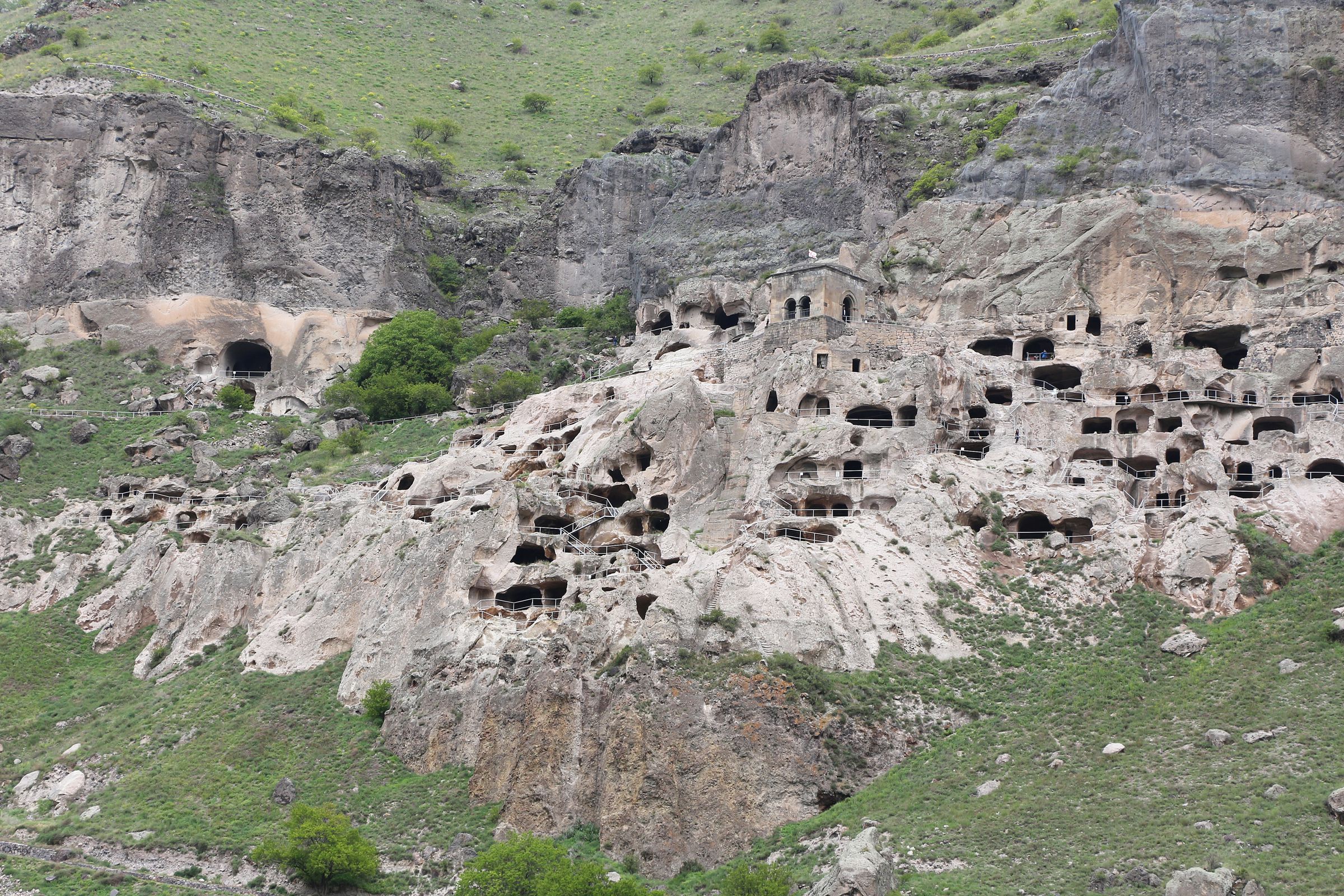
Queen Tamar Bridge

Golden Age engineering spanning centuries

Queen Tamar Bridge

The Queen Tamar Bridge stands as one of Georgia's most intact medieval monuments—a single soaring stone arch thrown across the Ktsia River in 12th-13th century, when Tamar the Great ruled and Georgian culture flourished. Built without mortar, its precisely cut volcanic blocks have withstood floods, earthquakes, and seven centuries of traffic. The bridge embodies the ambition of that era: confident, elegant, enduring. Standing on its weathered surface, you touch the same stones that traders, soldiers, and pilgrims crossed when Tbilisi was already ancient but New York did not yet exist. It rewards those who detour from the main roads seeking substance over spectacle.

On the ground See

  • The bridge's perfect pointed arch and refined medieval masonry, best viewed from the riverbank below
  • Nearby Sapara Monastery, a 10th-14th century fortified complex dramatically perched on a cliff
  • The high volcanic plateau of Samtskhe-Javakheti, with its crater lakes and seasonally nomadic shepherds

Practical Know before you go

Reachable year-round via paved roads from Akhaltsikhe (35km) or Ninotsminda; spring and autumn offer clearest river views and most comfortable exploration of the surrounding Javakheti uplands.

Last reviewed 25 August 2026 · reviewed quarterly