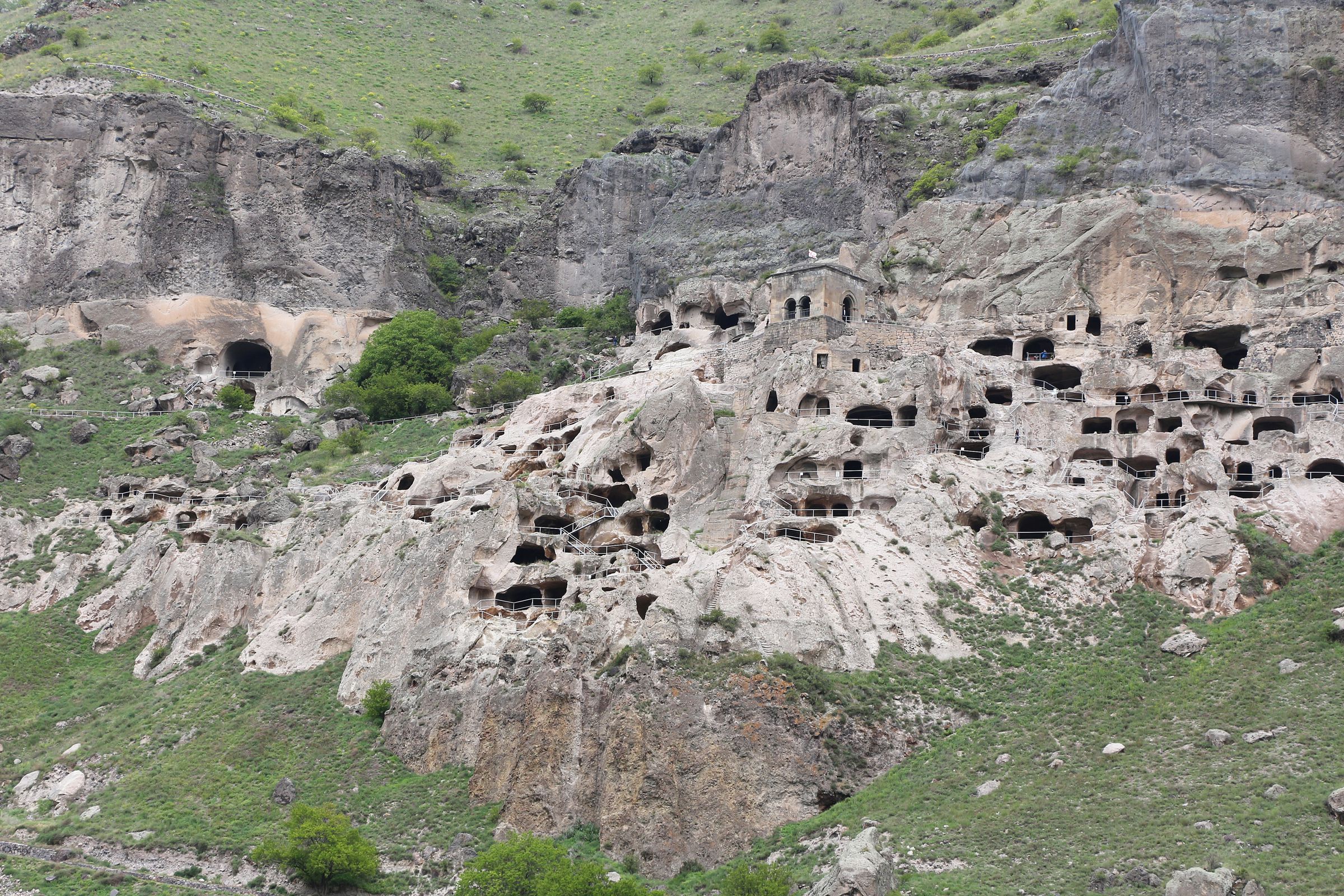
Why go
Sarameji Church rises from the high Samtskhe-Javakheti plateau as one of Georgia's most enigmatic early medieval survivals. Built in the 10th century, it defies easy classification: its dome rests on a distinctive 'squinch' transition that blends Armenian-influenced masonry techniques with Georgian ecclesiastical tradition, suggesting the region's position as a crossroads of cultures. The church's severe simplicity—uncoursed tufa stone, narrow windows, a single apse—belies its sophisticated structural logic. It stands where the medieval trade routes between Ani and Tao-Klarjeti once converged, and its very remoteness preserved it from the Baroque renovations that altered grander churches. Here, you encounter Georgia's architectural DNA undiluted.