Moliti Fortress

Crumpled stone sentinel over the Kvabliani

Moliti Fortress

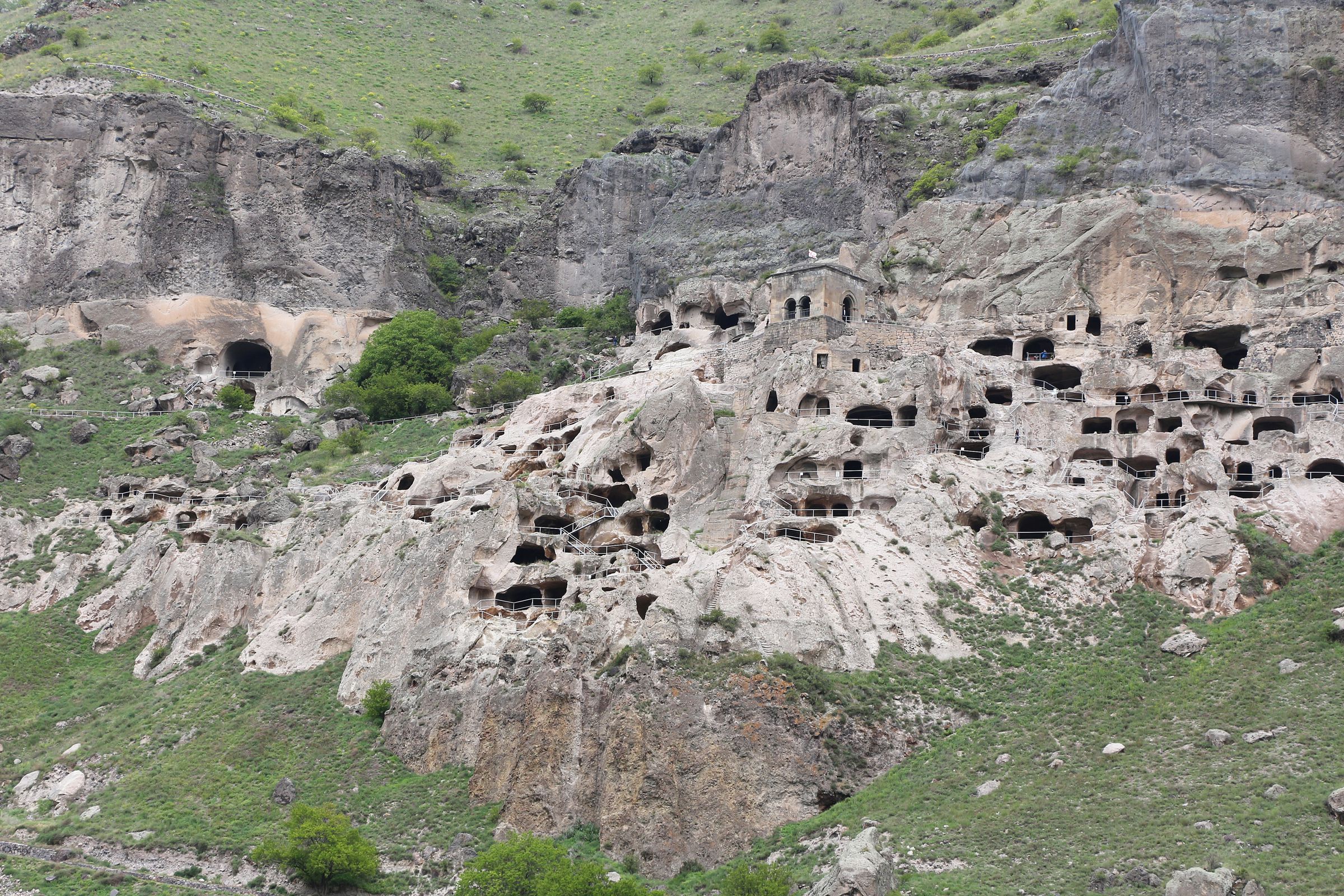
Moliti Fortress rises from a forested ridge like a forgotten thought, its tumbled walls commanding one of Samtskhe-Javakheti's most arresting vistas. Built between the 10th and 13th centuries, this lesser-known stronghold guarded the strategic route linking the Javakheti plateau to the Tao-Klarjeti valleys. Unlike the polished reconstructions of better-known sites, Moliti remains raw and unvisited—lichen-capped towers, collapsed curtain walls, and a keep that tilts toward the river below. The payoff is the view: the Kvabliani River winds through a gorge of autumn gold, with the Lesser Caucasus fading into Turkish haze. This is Georgia's medieval frontier as it actually endures—unmanned, unmarked, and yours alone.

On the ground See

  • The ruined keep and western tower, where intact sections reveal medieval masonry techniques and arrow slits framing the valley
  • The cliff-edge parapet walk, offering unobstructed panoramas of the Kvabliani River gorge and surrounding volcanic hills
  • The overgrown lower courtyard and cistern remains, hinting at the fortress's original water storage and domestic quarters

Practical Know before you go

Reachable via a rough 4km dirt track branching from the Ninotsminda-Akhalkalaki road near the village of Moliti; spring through early autumn recommended, as winter snow renders the track impassable and the site itself has no facilities or signage.

Last reviewed 25 August 2026 · reviewed quarterly