Sapara Monastery Fortress

Fortress of faith carved into the Caucasus

Sapara Monastery Fortress

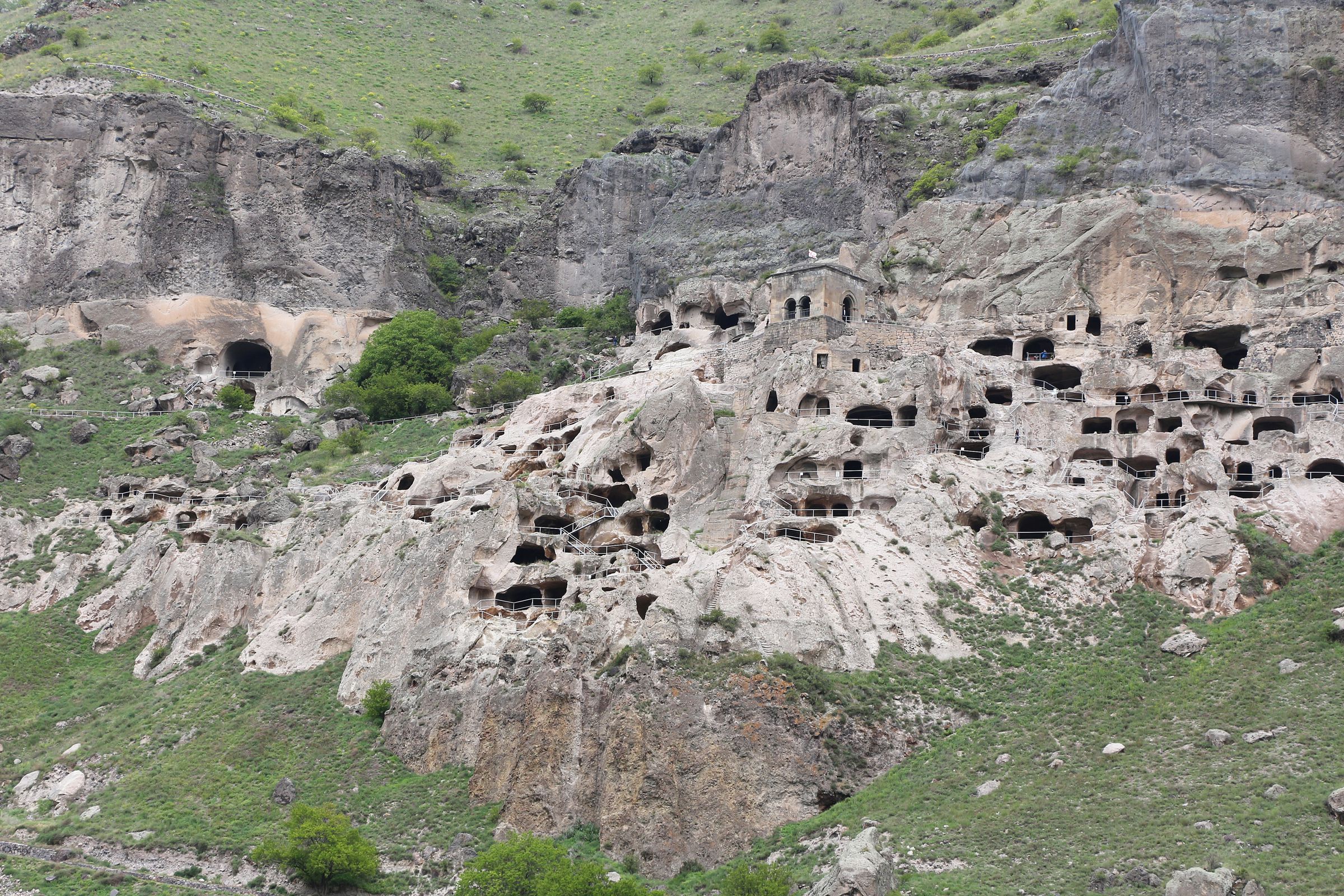
Sapara rises from a dense forested ravine like a medieval mirage, its honey-stone towers and domes emerging from cliffs where the Lesser Caucasus fold toward Turkey. Founded in the 10th century and fortified by the Jakeli princes—who ruled Samtskhe as semi-independent lords under Mongol and Ottoman shadows—this complex embodies Georgia's survival strategy: sacred architecture doubling as military stronghold. The 14th-century Church of St. Saba shelters extraordinary frescoes by the master Damiane, including a rare depiction of the Jakeli donor family. Sapara was abandoned for a century before restoration began in the 2000s, lending it a haunting, half-reclaimed atmosphere that feels discovered rather than presented.

On the ground See

  • The Church of St. Saba's interior frescoes, particularly the Jakeli family portrait and the detailed Last Judgment scene painted by Damiane in 1367
  • The defensive towers and crenellated walls that encircle the monastery complex, demonstrating how sacred and military architecture merged in Georgia's borderlands
  • The forest trail descending from the monastery toward the ruined 9th-century church of Tmogvi, following the same ridgeline the Jakeli princes once patrolled

Practical Know before you go

Best visited May through October; the final 8km from Akhaltsikhe is a rough unpaved mountain road requiring a high-clearance vehicle or arranged local transport, with no public access otherwise.

Last reviewed 25 August 2026 · reviewed quarterly