Why go
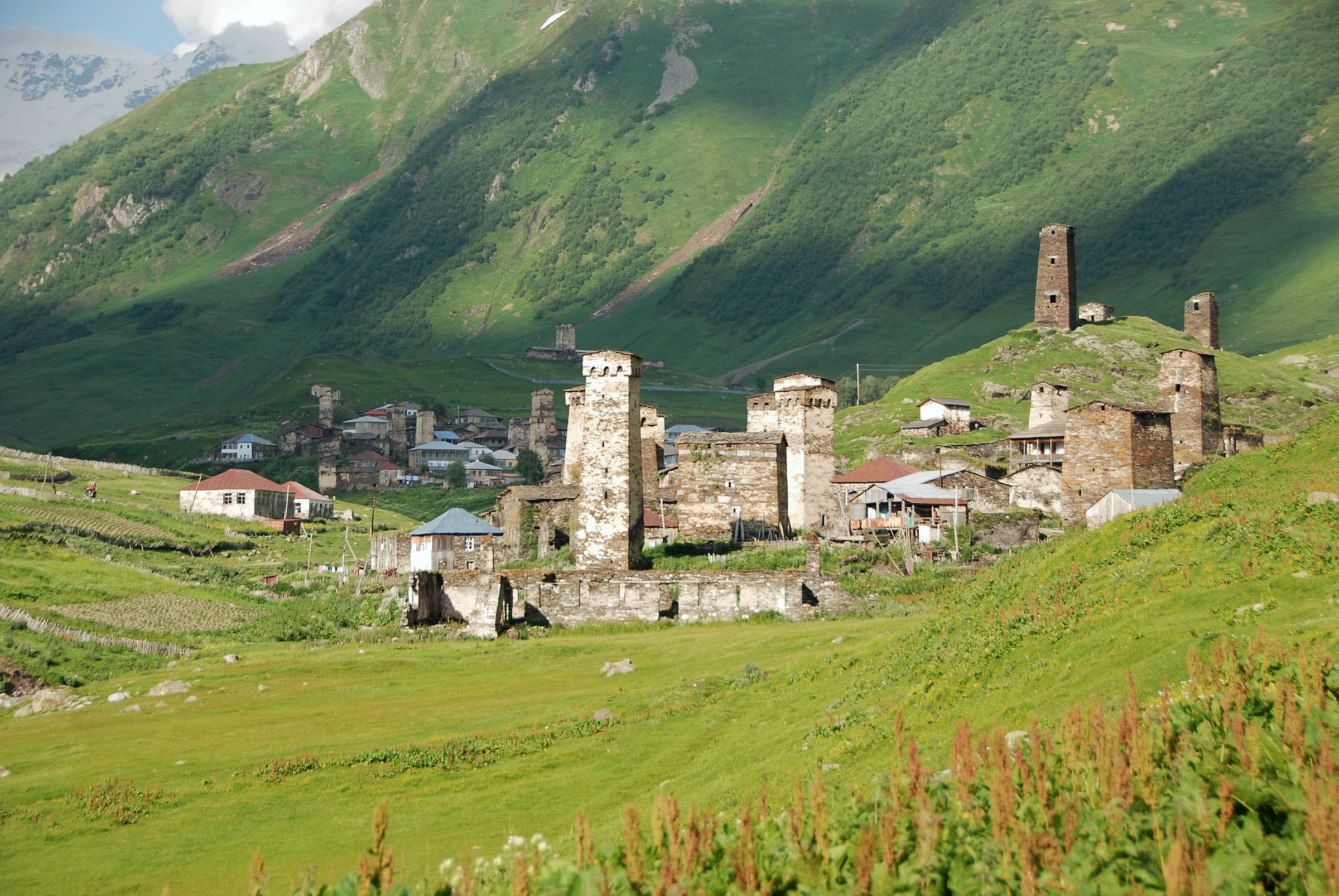
The Bezengi Wall rises as a 12-kilometer rampart of granite and ice along the Georgia-Russia border, its 4,000-meter faces among the longest vertical exposures in the entire Caucasus range. Named for the nearby Bezengi Glacier, this massif has drawn Soviet and international alpinists since the 1930s, when teams first breached its defenses. The wall holds legendary status in Eastern European climbing culture—its routes, pioneered under strict Soviet mountaineering protocols, remain test pieces requiring technical mastery and endurance. Beyond the elite challenge, the wall anchors a landscape of profound isolation: Svan towers visible in distant valleys, prayer flags snapping in wind that has crossed from Dagestan. Here, Georgia's wildest mountains assert their scale.