Akhaltsikhe Historical Center

Where Ottoman, Georgian, and Armenian stories still share streets

Akhaltsikhe Historical Center

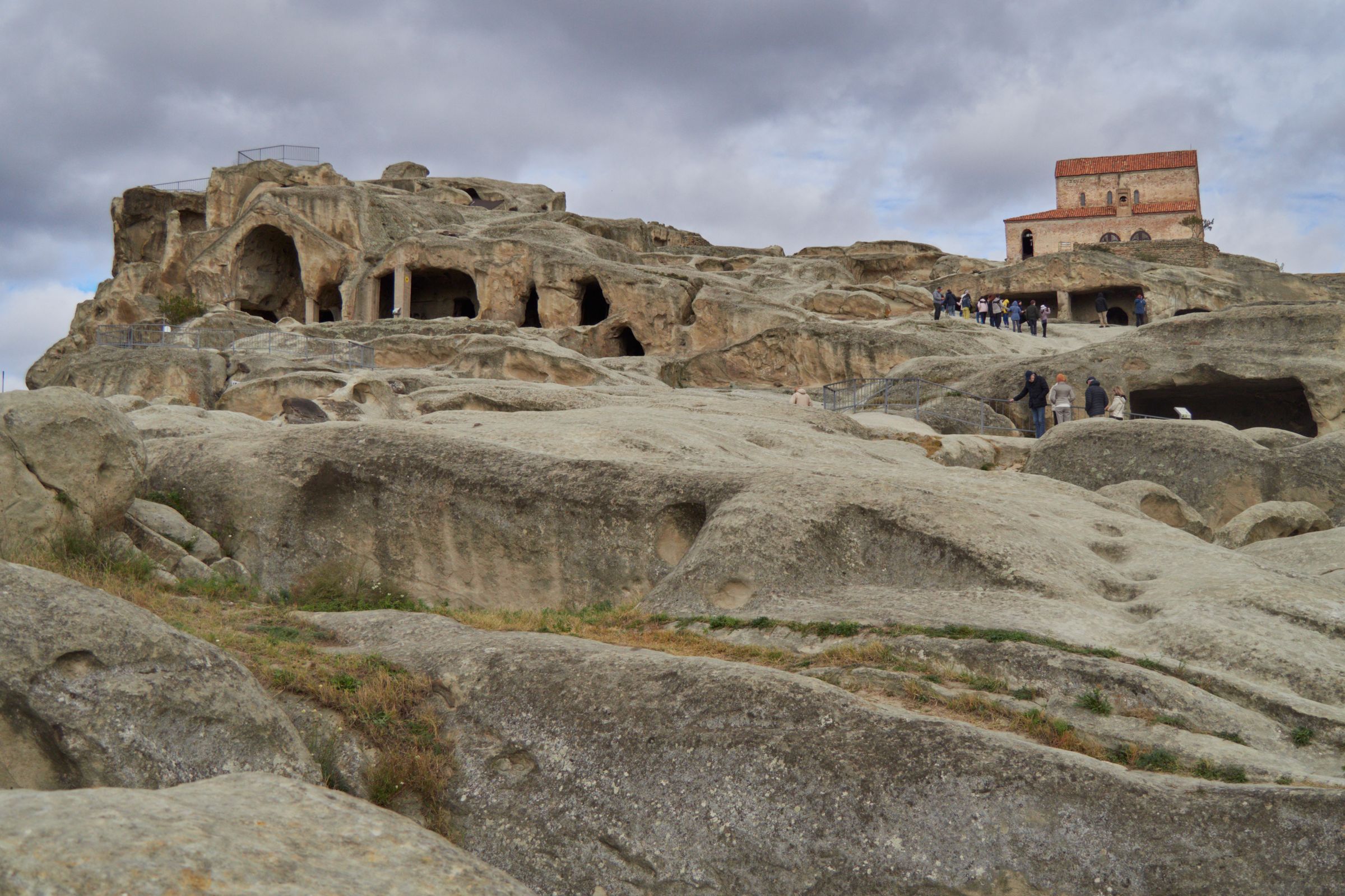
Akhaltsikhe sits at the crossroads of empires, a trading town where Georgian, Armenian, Jewish, Muslim, and Russian communities once forged uneasy coexistence. Its 19th-century merchant houses line streets that climb from the Potskhovi River gorge, their carved wooden balconies and faded stucco facades surviving Soviet neglect. The real revelation is Rabati Castle, a fortress transformed across eight centuries—Ottoman domes, Georgian Orthodox churches, a mosque, and a synagogue now share its walled plateau, rebuilt after decades of ruin. This layered architecture isn't museum-piece preservation; it's the physical record of how borders moved and peoples stayed, making Akhaltsikhe essential for understanding Georgia's complex south.

On the ground See

  • Rabati Castle's upper citadel at dawn, when mist rises off the river and the 18th-century Jakeli Palace and Ottoman mosque stand empty of crowds
  • The 19th-century merchant houses along Guramishvili Street, particularly the ornate wooden balconies of the former Armenian trading families
  • The Akhaltsikhe Synagogue, built 1863, still serving a diminished but persistent Jewish community with original interior fittings

Practical Know before you go

Best visited April-June or September-October; marshrutkas from Tbilisi (4 hours) or Kutaisi (3 hours) arrive at the central station, with Rabati Castle a 15-minute walk downhill.

Last reviewed 25 August 2026 · reviewed quarterly