Sakdrisi

Where humans first struck gold

Sakdrisi

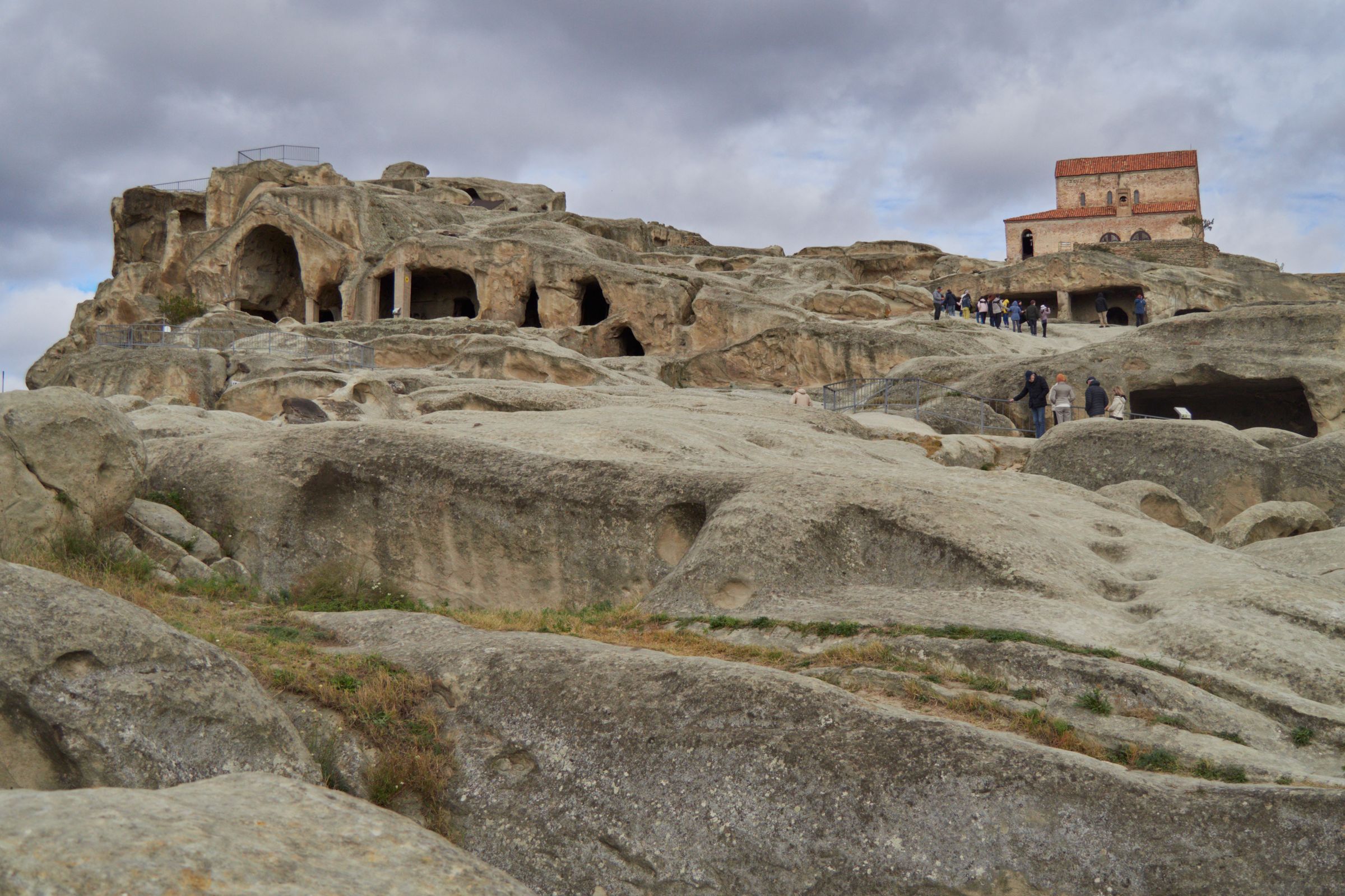
Sakdrisi is the world's oldest known gold mine, with tunnels dating to the 4th millennium BCE—thousands of years before Egypt's great pyramids. Archaeologists discovered hammerstones, mining tools, and ore-processing hearths that prove prehistoric Georgians mastered sophisticated metallurgy. This wasn't mere surface panning; they excavated vertical shafts up to 40 meters deep through solid rock, using fire-setting and stone mallets. The site was nearly destroyed by a mining company in 2013, but international outcry saved it. Visiting means standing where the human relationship with gold began, before money, before empires—when this metal first captivated us.

On the ground See

  • The ancient underground mining galleries, some extending 15 meters deep, accessible with guided permission from the Georgian National Museum
  • The open-air archaeological display of stone hammers and grinding tools used 5,000 years ago
  • The nearby prehistoric settlement of Dmanisi, where 1.8-million-year-old hominin skulls were found—the earliest humans outside Africa

Practical Know before you go

Best visited April–October; arrange access through the Georgian National Museum in Tbilisi, as the site has restricted entry and no formal visitor infrastructure.

Last reviewed 25 August 2026 · reviewed quarterly