Why go
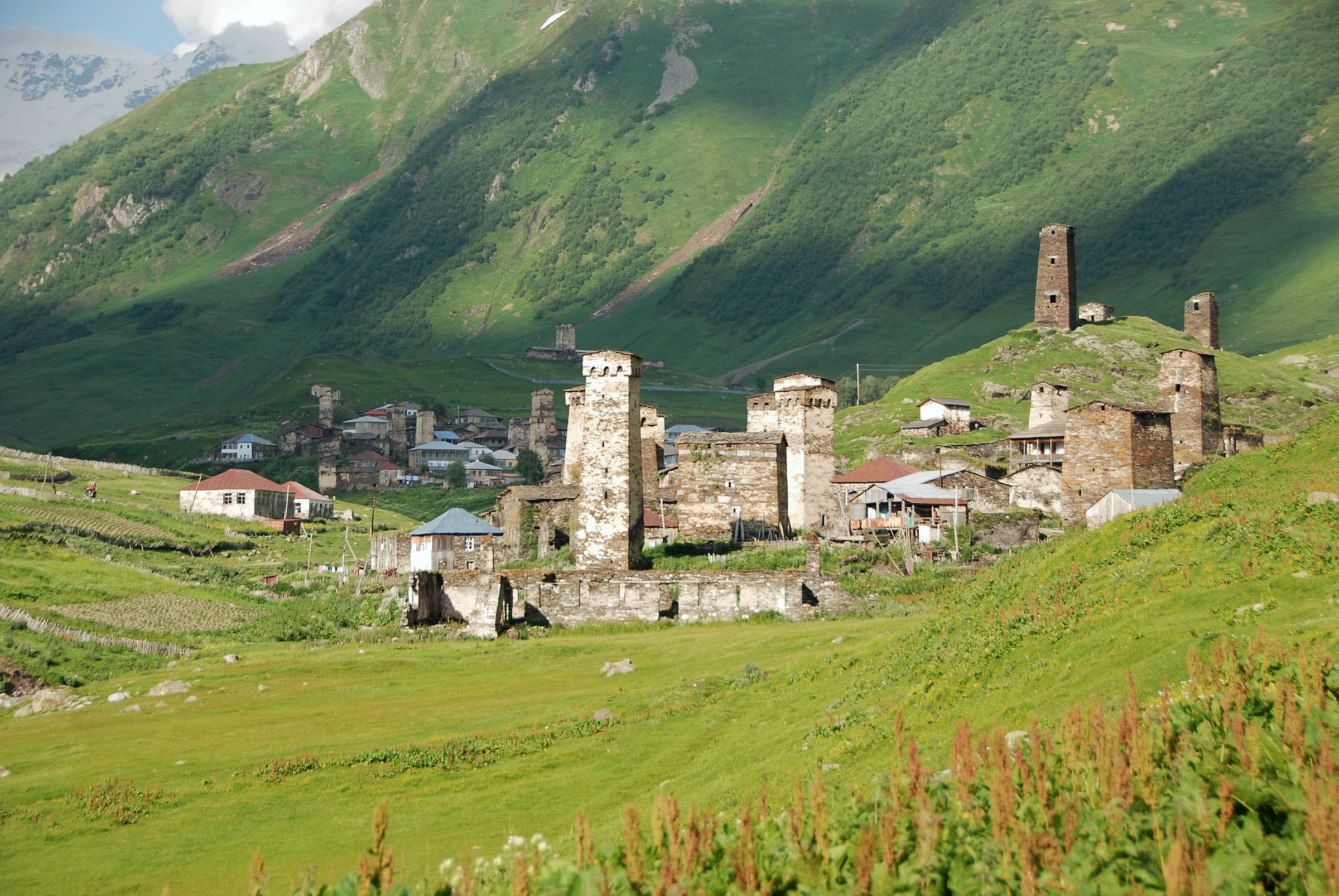
Mazeri sits at the dead-end of a rough valley road in Becho, a community of scattered Svan villages where medieval defensive towers still punctuate cow pastures. This is not Svaneti's famous Mestia corridor—here, the Ushba massif dominates your windshield, then your breakfast table, then your dreams. The north face, a 1,200-meter vertical wall of ice and rotten granite, is considered one of the Caucasus's most dangerous climbs; from Mazeri's meadows, you stand close enough to hear seracs collapse. The village itself is a working settlement of perhaps two dozen families, not a tourist staging post. What you get is proximity without pretense: the same stone houses, the same walnut harvests, the same silence that mountaineers have used as a base since Soviet alpinists first probed these walls in the 1930s.