Khalde

Where towers fell, mountains endure

Khalde

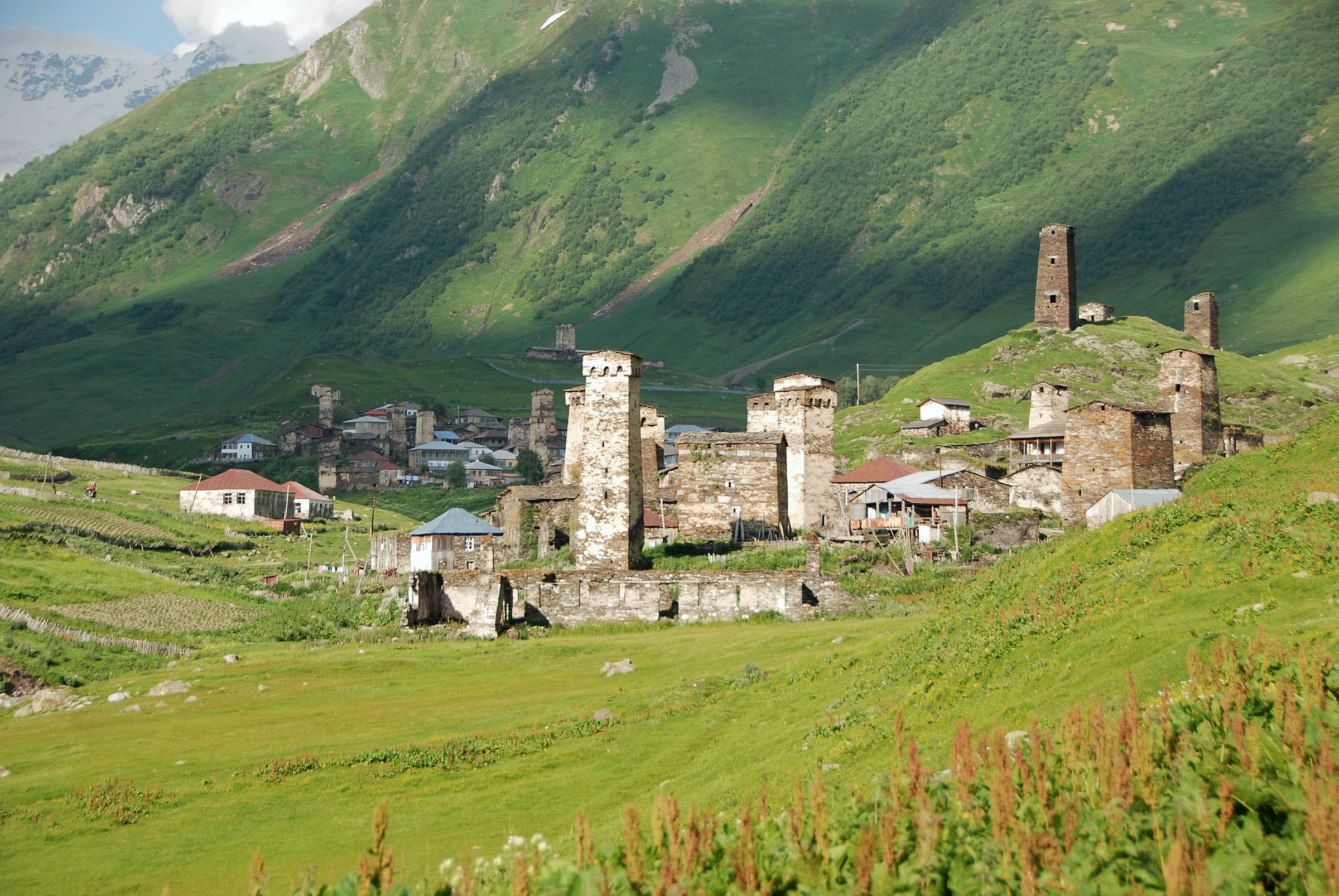
Khalde clings to a high side-valley of the Enguri River, a village of such fierce independence that Russian troops burned it to the ground in 1876 after locals refused to surrender a murder suspect. The Khalde uprising became legend in Svaneti, where communal resistance against outside authority was a way of life. Today the village offers something rarer than intact fortifications: the honest ruin. Its collapsed towers, scattered stone, and overgrown lanes speak more truth about Svan warfare and Soviet neglect than any restored museum. The compensation is absolute—unobstructed views of Shkhara's 5,193-meter pyramid rising above the Inguri Glacier, framed by wildflower meadows and the silence of a place that chose isolation over submission.

On the ground See

  • The 1876 uprising site: scattered tower ruins and foundation stones where Svan warriors made their stand before Russian artillery leveled the village
  • Shkhara massif viewpoints: the glacier and peak are visible from multiple angles along the upper village tracks, best at dawn when light strikes the eastern face
  • The Khalde Church of the Archangel Michael: small stone chapel with faded frescoes, one of the few structures to survive the 1876 burning

Practical Know before you go

Accessible only by 4WD via rough track from Ushguli (approximately 8km, 45 minutes) or full-day hike from Mulakhi; snow blocks access November–May, and there are no services—bring all supplies from Mestia.

Last reviewed 25 August 2026 · reviewed quarterly