Why go
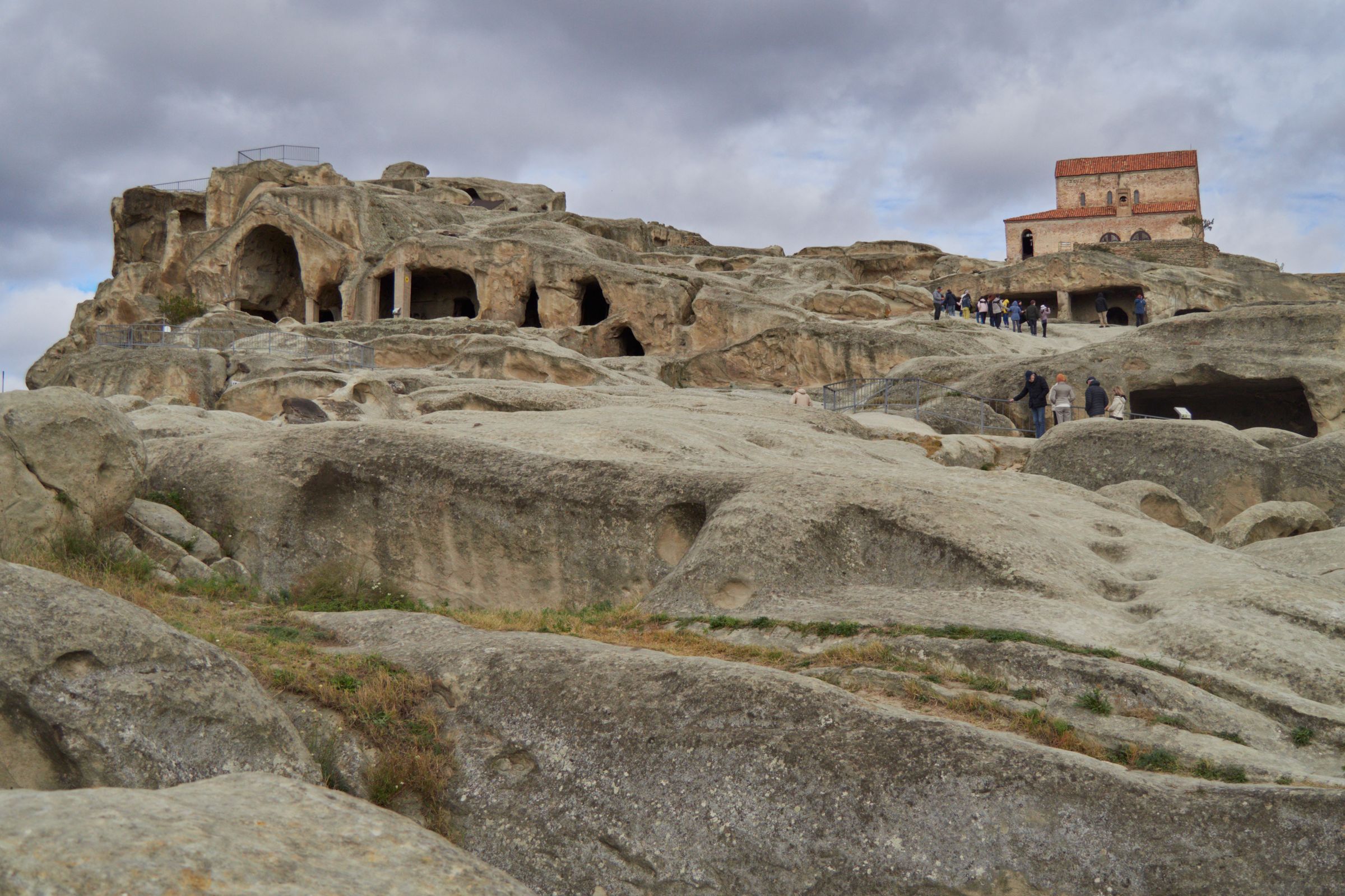
Gori Fortress rises from a solitary rocky hill that has guarded the strategic Mtkvari River valley since at least the 7th century, though most of what stands today dates to the 17th-century reign of Rostom of Kartli. The Ottomans strengthened these walls; the Georgians held them; a devastating earthquake struck them in 1920. Its cylindrical towers and crenellated ramparts command sweeping views across the Shida Kartli plain toward the Caucasus foothills. Come for the layered history—medieval, Persian, imperial Russian—and for the silence above a city otherwise defined by its most infamous son. The fortress rewards those who climb its worn stone steps with perspective: on the valley's ancient trade routes, on Gori's contested past, and on Georgia's enduring talent for building beauty on impossible terrain.